


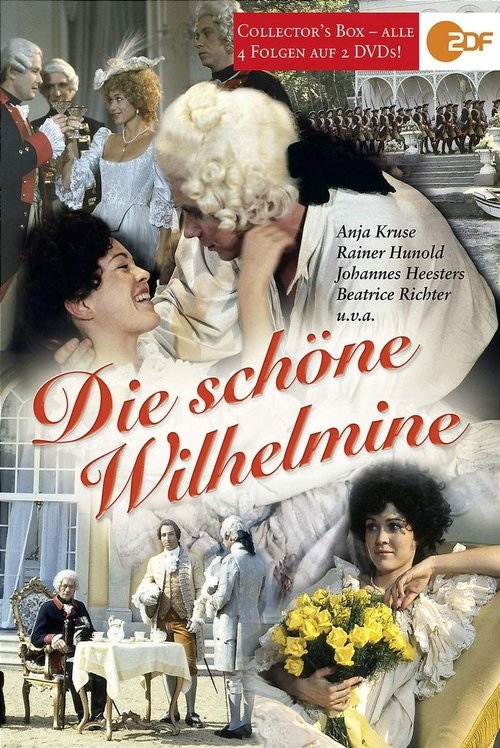
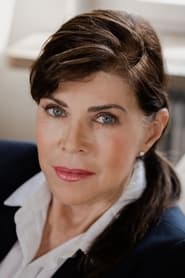
Anja Kruse
Anja Kruse
Wilhelmine
Anja Kruse
Wilhelmine
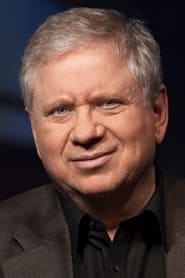
Rainer Hunold
Rainer Hunold
Kronprinz
Rainer Hunold
Kronprinz
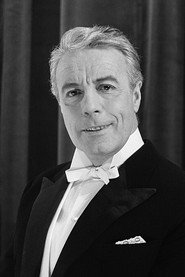
Johannes Heesters
Johannes Heesters
Marschall Keith
Johannes Heesters
Marschall Keith
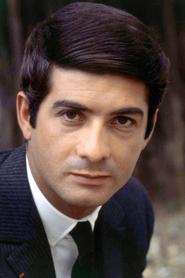
Jean-Claude Brialy
Jean-Claude Brialy
Casanova
Jean-Claude Brialy
Casanova
Herbert Stass
Herbert Stass
Friedrich II.
Herbert Stass
Friedrich II.
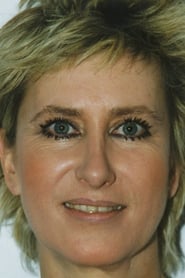
Beatrice Richter
Beatrice Richter
Luise
Beatrice Richter
Luise
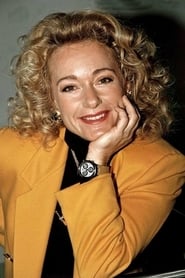
Silvia Reize
Silvia Reize
Elisabeth
Silvia Reize
Elisabeth
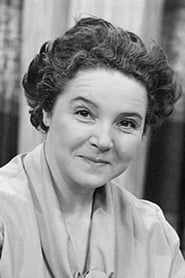
Liesel Christ
Liesel Christ
Landgräfin
Liesel Christ
Landgräfin

Marie Versini
Marie Versini
Mme. Girard
Marie Versini
Mme. Girard
Similar Movies

From a small Italian community in 15th-century Florence, the Medici family would rise to rule Europe in many ways. Using charm, patronage, skill, duplicity and ruthlessness, they would amass unparalleled wealth and unprecedented power. They would also ignite the most important cultural and artistic revolution in Western history -- the European Renaissance. But the forces of change the Medici helped unleash would one day topple their ordered world.
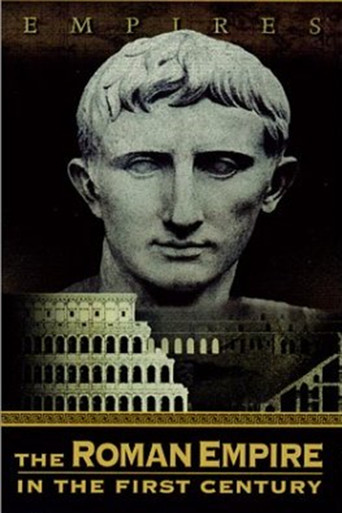
Two thousand years ago, at the dawn of the first century, the ancient world was ruled by Rome. Through the experiences, memories and writings of the people who lived it, this series tells the story of that time - the emperors and slaves, poets and plebeians, who wrested order from chaos, built the most cosmopolitan society the world had ever seen and shaped the Roman empire in the first century A.D.
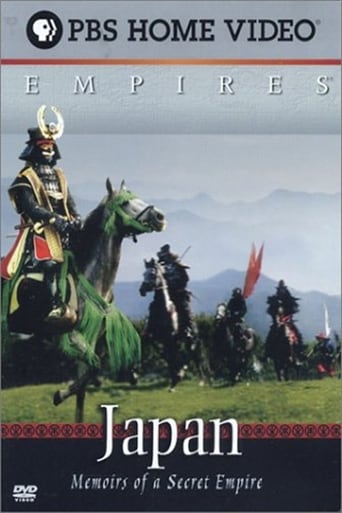
Japan blossomed into its Renaissance at approximately the same time as Europe. Unlike the West, it flourished not through conquest and exploration, but by fierce and defiant isolation. And the man at the heart of this empire was Tokugawa Ieyasu, a warlord who ruled with absolute control. This period is explored through myriad voices-- the Shogun, the Samurai, the Geisha, the poet, the peasant and the Westerner who glimpsed into this secret world.
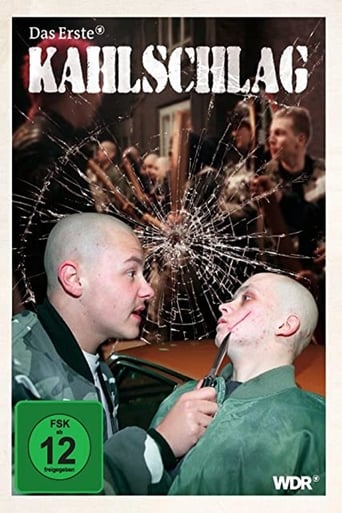
Robin is 16 and has had enough: permanent trouble at school and at home. On the run from his dull everyday life, he joins a group of skinheads. The clique strengthens their sense of belonging by beating up foreign youths. This is how the "apolitical" boy slips into the right-wing scene, and it's not easy to get out of it. When they injure a Turkish girl during a robbery, Robin, of all people, is questioned by the police.
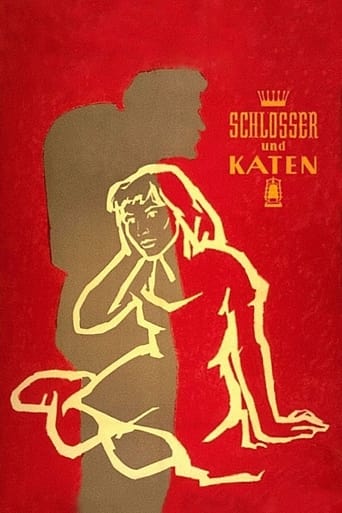
Lifelong hard work for the count makes the servant Anton a cripple. Everybody calls him Crooked Anton. When, after the end of the war, the land of the count gets divided amongst the farmers, Anton receives a piece and hopes to be able to work freely. But an old debt and intrigue keep Anton and his family from finding peace. The farmers of the village begin to discover their own power when Annegret, Anton's daughter, leaves. Is a new beginning possible for Anton? This film paints an impressive panorama of the development of a minor village in Mecklenburg from the end of the war to the uprising of 17 June 1953.
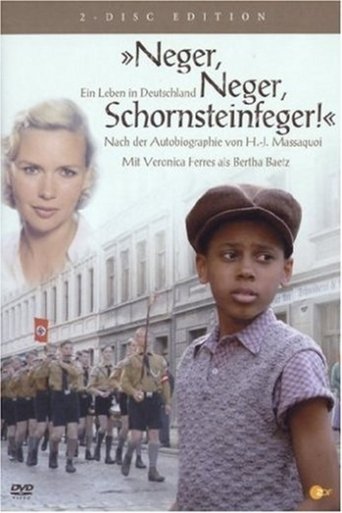
This drama is based on the childhood memories of Hans Jürgen Massaquoi, who was one of the few black native Germans in Nazi Germany. In 1935 at the age of nine, he lives with his German mother in a small flat in Hamburg's working class district Barmbek, while his father and grandfather had left the country. Although the boy is not persecuted by the Nazis and dreams of joining the Hitler Youth, his skin color makes him a target for racist abuse...
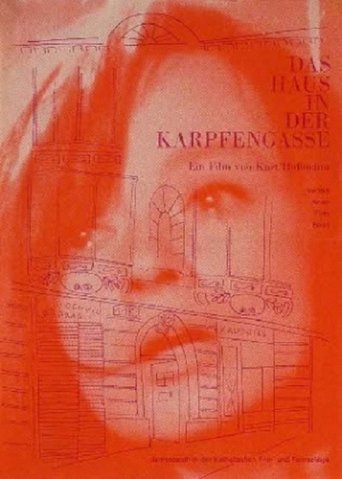
The film depicts the fate of the residents of an apartment block in Prague’s Jewish quarter following the invasion by German troops in 1939. Among them is an elderly widow who had once disowned her son and now wishes to bring him to Brazil; there are also the owners of a stationery shop, who are driven to ruin by the German occupiers. The caretaker Glaser, who is of German descent, also comes under pressure when his son is arrested in a communist pub. To save his own skin, he informs on two young people who are active in the resistance.