

Cut Poison Burn
Documentary
Overview
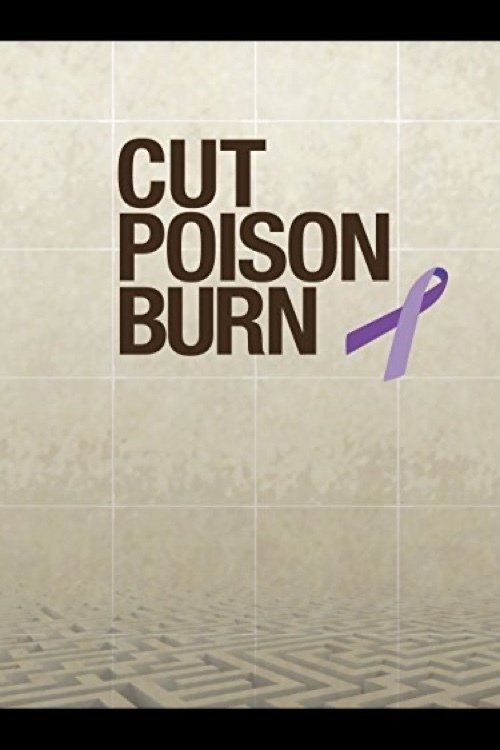
The Film tells the grim tale of the half century War on Cancer and focuses on the character of Thomas Navarro. In 1999, the four year old boy was diagnosed with brain cancer and thrust into the system of Surgery, Chemo and Radiation and not allowed to be treated with a proven method by Texas Doctor Stanislaw Burzynski. The war between the Navarro Family and the FDA is perhaps this country's greatest evidence as to why there should be medical freedom and how since the War on Cancer began in 1971, the war is still failing in 2009.






No cast information.
Similar Movies
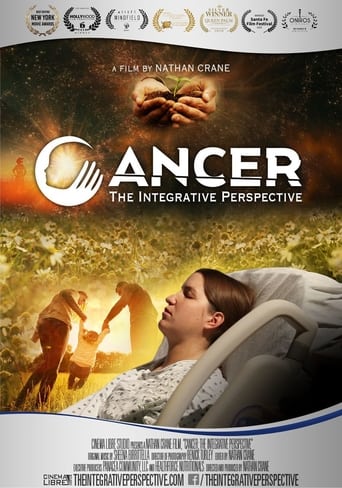
Cancer; The Integrative Perspective takes a deep dive into the fast-expanding paradigm of holistic and integrative wellness approaches for preventing and reversing cancer that treats the disease with conventional tools, while also supporting patients’ strength, stamina and quality of life with evidence-based natural therapies. Nathan Crane, a pioneer in natural healing and cancer prevention, brings together world renowned medical experts and cancer survivors to share evidence-based insights into the power that the mind, body and spirit play in cancer care and prevention. The latest research is presented by Dr. Francisco Contreras, Dr. Leigh Erin Connealy, Dr. Francisco Calvo, Dr. Sunil Pai, and Dr. Thomas Lodi.

In 2014, the University of Florida women's softball team was the best it's ever been - and it's all thanks to one young woman, Heather Braswell. Though not an official member of the team, Braswell, a cancer patient and huge Gator fan, was their heart and soul. Find out why the ladies still wear sunflowers on game day in their hair to this day.
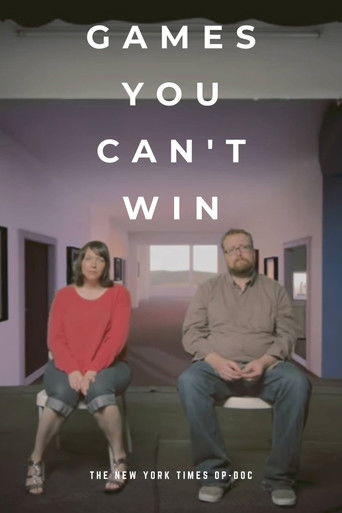
Games You Can’t Win explores “empathy” gaming, a new video game movement in which developers are sharing some of their most intimate or traumatic personal experiences through artful, documentary-style video games. Using a combination of intimate verité footage and video capture from the games, the short film tells the stories of three developer and the personal experiences that inspired their game.
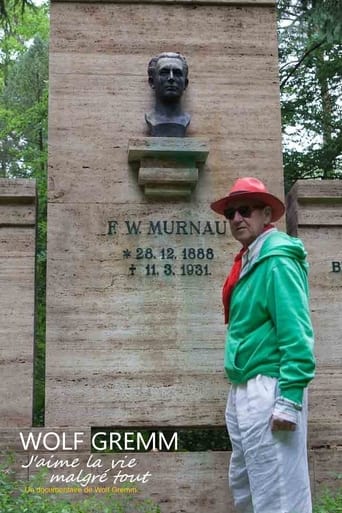
In 2011, the director and screenwriter Wolf Gremm receives the diagnosis - prostate cancer. According to the doctors, he has not much longer to live, maybe eight months. Wolf Gremm is torn by these devastating news in the midst of an active, fulfilling life, but he decides to deal with the disease offensively and to fight. From now on smartphone and mini camera are his constant companions.
Bianca Ilich's life changed forever when she was diagnosed with breast cancer. With her camera in hand, she courageously documented her journey as she faced the physical, emotional and psychological challenges of her treatment. This incredibly personal story is then expanded and enriched through the stories of two more women, Rosica and Slava, who bravely confront the same struggles in Amsterdam and Sofia, Bulgaria. Through these stories, an intimate and powerful mosaic of the effects of cancer on one's health and social life is revealed.
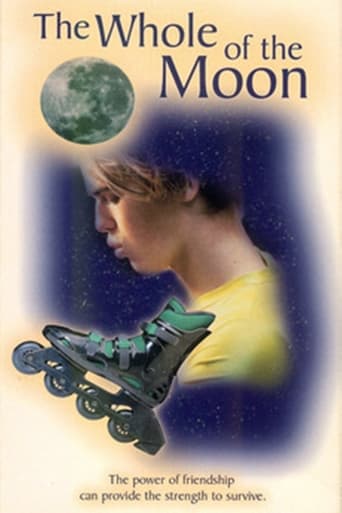
When Kirk, a top roller-blader, discovers that he has bone cancer in his leg, his pleasant affluent life is shattered. Even though amputation provides the best chance for survival; to him, losing skating means the end of life. His friends cannot cope with his condition, but his hospital isolation is relieved by Marty - a street kid survivor who was found dying of leukemia. Marty bullies, taunts, and challenges Kirk, until he begins to climb out of his depression. Marty seems afraid of nothing and, knowing she will die, wants to experience everything.
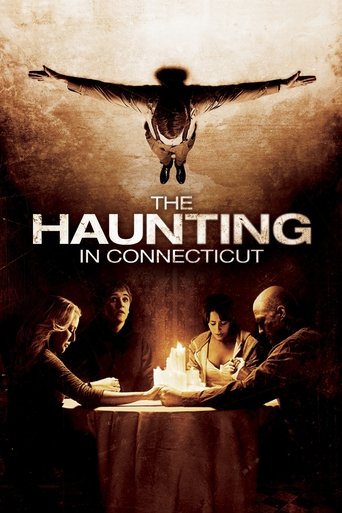
When the Campbell family moves to upstate Connecticut, they soon learn that their charming Victorian home has a disturbing history: not only was the house a transformed funeral parlor where inconceivable acts occurred, but the owner's clairvoyant son Jonah served as a demonic messenger, providing a gateway for spiritual entities to crossover.