

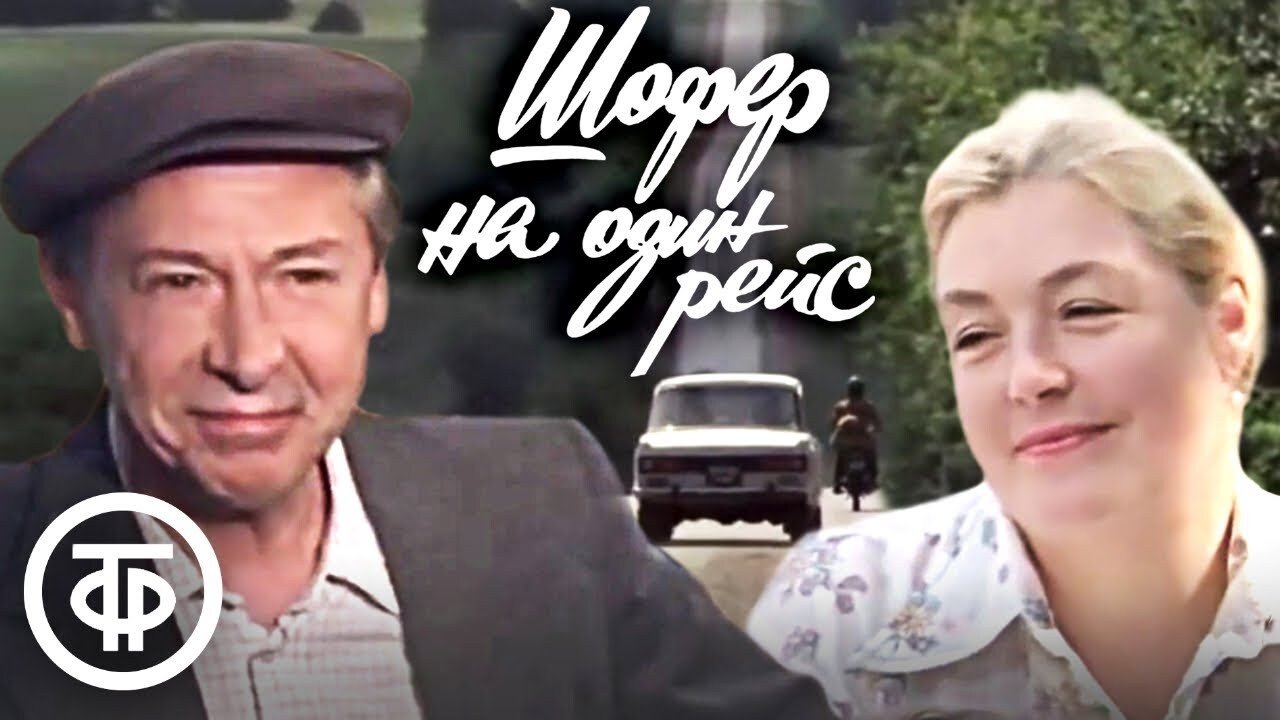
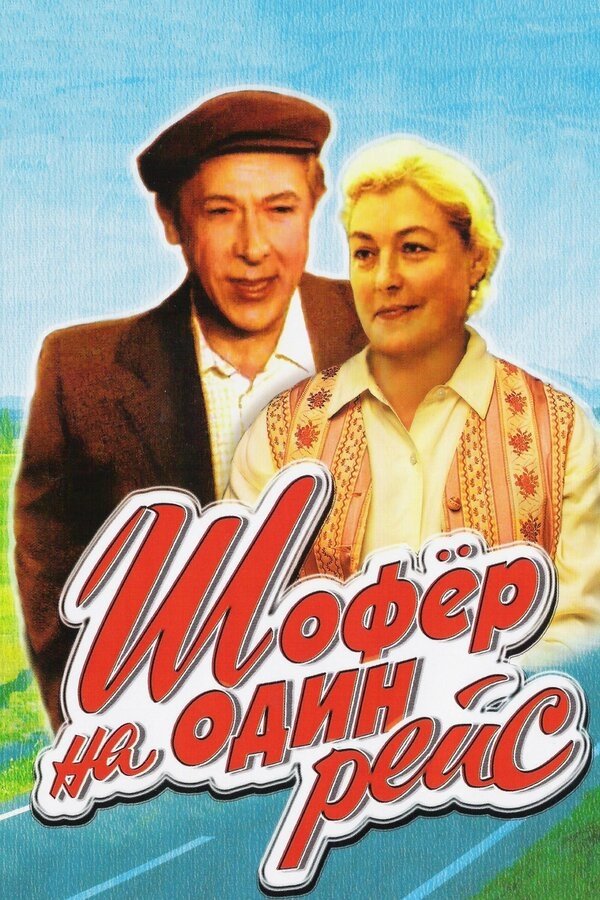
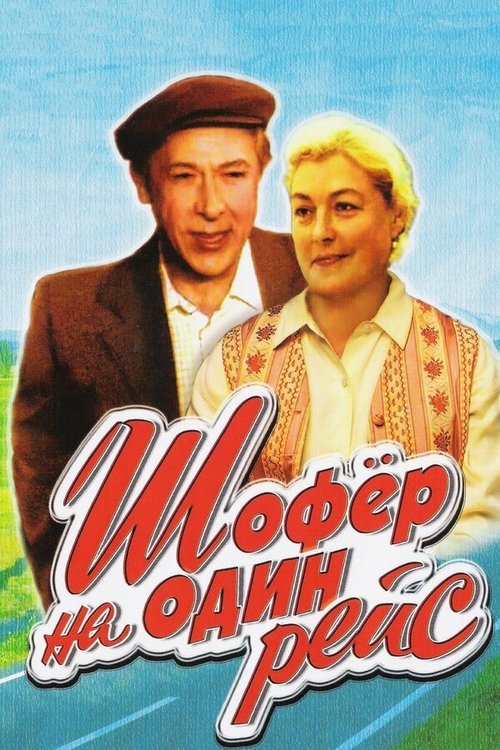
Driver for One Trip
Comedy · Romance · Adventure
Overview
Driver Mikhail meets Sofia, a distinguished collective farm worker who has come to Moscow. He helps her buy a car and agrees to deliver it to her collective farm. He is a widower, and she has separated from her husband. At Sofia's request, he agrees to take her, her daughter, and son-in-law back home. Mikhail develops deep feelings for Sofia, but her daughter is against it.
Top Cast

Oleg Efremov
Михаил Антонович Артюхин, шофёр
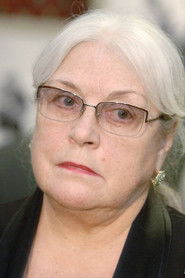
Lidiya Fedoseyeva-Shukshina
Софья Макаровна Тишанова
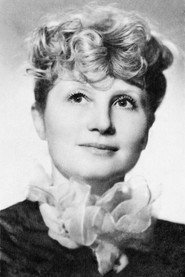
Lidiya Sukharevskaya
Елизавета Максимовна, дама-француженка с русскими корнями
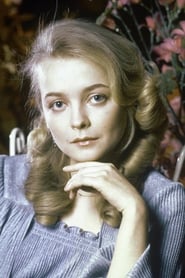
Natalya Vavilova
Лиля
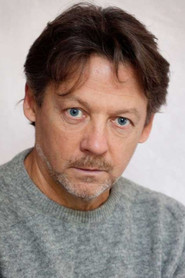
Yuri Duvanov
Петр Артюхин

Vadim Andreyev
Саня
Valentina Yakunina
Валя
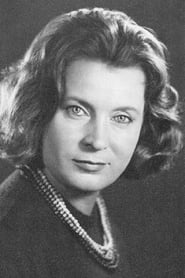
Lyubov Sokolova
Варвара Семёновна

Natalya Kustinskaya
Маша

Vladimir Prokhorov
Игнатий Петрович
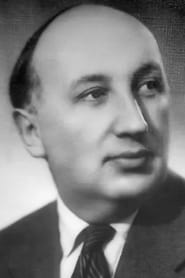
Georgi Georgiu
Иннокентий Павлович
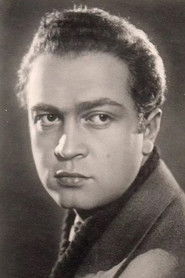
Vladimir Soshalsky
Павел Ефремович Тишанов






Oleg Efremov
Oleg Efremov
Михаил Антонович Артюхин, шофёр
Oleg Efremov
Михаил Антонович Артюхин, шофёр
Lidiya Fedoseyeva-Shukshina
Lidiya Fedoseyeva-Shukshina
Софья Макаровна Тишанова
Lidiya Fedoseyeva-Shukshina
Софья Макаровна Тишанова
Lidiya Sukharevskaya
Lidiya Sukharevskaya
Елизавета Максимовна, дама-француженка с русскими корнями
Lidiya Sukharevskaya
Елизавета Максимовна, дама-француженка с русскими корнями
Natalya Vavilova
Natalya Vavilova
Лиля
Natalya Vavilova
Лиля
Yuri Duvanov
Yuri Duvanov
Петр Артюхин
Yuri Duvanov
Петр Артюхин
Vadim Andreyev
Vadim Andreyev
Саня
Vadim Andreyev
Саня
Valentina Yakunina
Valentina Yakunina
Валя
Valentina Yakunina
Валя
Lyubov Sokolova
Lyubov Sokolova
Варвара Семёновна
Lyubov Sokolova
Варвара Семёновна
Natalya Kustinskaya
Natalya Kustinskaya
Маша
Natalya Kustinskaya
Маша
Vladimir Prokhorov
Vladimir Prokhorov
Игнатий Петрович
Vladimir Prokhorov
Игнатий Петрович
Similar Movies
For nearly a decade, Gilbert and Sullivan’s collaborations have delighted the English people. But in 1884, as a London heat wave cuts into the theater trade, their latest work, "Princess Ida", receives lukewarm press. In an effort to reconcile their creative differences and drawing inspiration from Japanese culture, they went on to create the hit opera "The Mikado", one of the duo's greatest successes.
Artak has served his military service in the Russian countryside where he meets Valya. But Valya's mother refuses to send her only daughter to “these far highlands, where earthquakes happen all the time”. Artak is forced to ask his contrasting and numerous relatives –Armenian villagers– to visit a remote Russian village to bring a bride to Armenia.
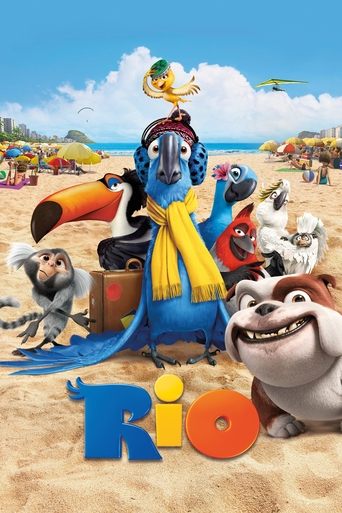
Captured by smugglers when he was just a hatchling, a macaw named Blu never learned to fly and lives a happily domesticated life in Minnesota with his human friend, Linda. Blu is thought to be the last of his kind, but when word comes that Jewel, a lone female, lives in Rio de Janeiro, Blu and Linda go to meet her. Animal smugglers kidnap Blu and Jewel, but the pair soon escape and begin a perilous adventure back to freedom -- and Linda.
In the 1980s, the musical and futuristic teacher Clara Celeste arrives at a school surrounded by bullying problems driven by issues of ethnicity, sexuality, gender, physique, and behavior. With the teacher's help, a group of students are finally able to find their voice and experience empowerment, with the freedom to live as they wish. Despite this, prejudice still surrounds the school, always seeking to intimidate the students. To win this battle against intolerance and censorship, the group will need to stick together and believe in the power of change.
In 1935, renowned Portuguese neurologist Egas Moniz visits psychiatrist Sobral Cid, trying to convince him to use his patients as subjects for an experimental treatment: frontal leukotomy. The film is a film adaptation of a scene from the play Brainland, which explores three key episodes in the history of 20th-century neuroscience. Each episode addresses dilemmas related to clinical ethics.
Global Groove was a collaborative piece by Nam June Paik and John Godfrey. Paik, amongst other artists who shared the same vision in the 1960s, saw the potential in the television beyond it being a one-sided medium to present programs and commercials. Instead, he saw it more as a place to facilitate a free flow of information exchange. He wanted to strip away the limitations from copyright system and network restrictions and bring in a new TV culture where information could be accessed inexpensively and conveniently. The full length of the piece ran 28 minutes and was first broadcasted in January 30, 1974 on WNET.