

Biggie & Tupac
Music · Documentary
Overview
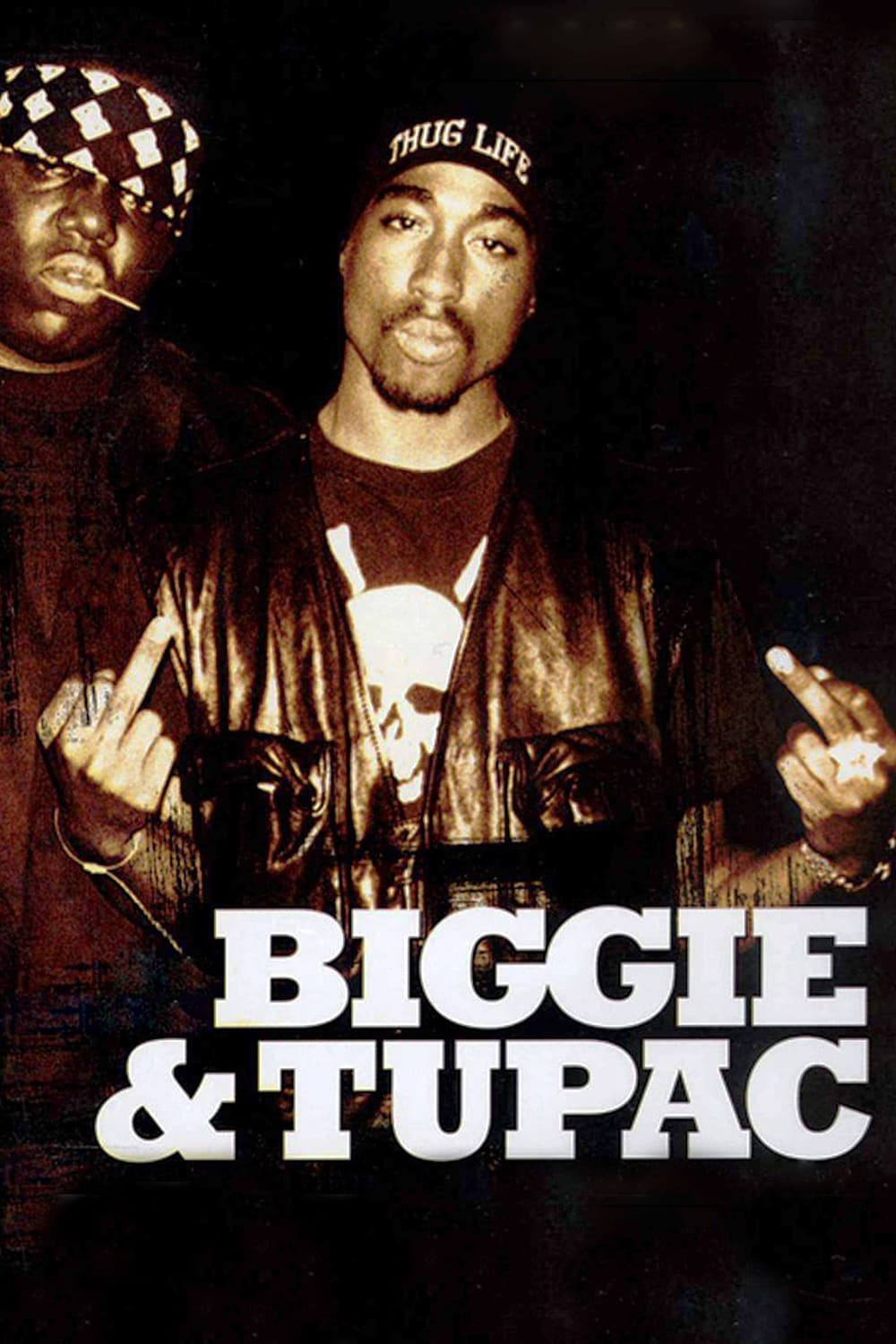
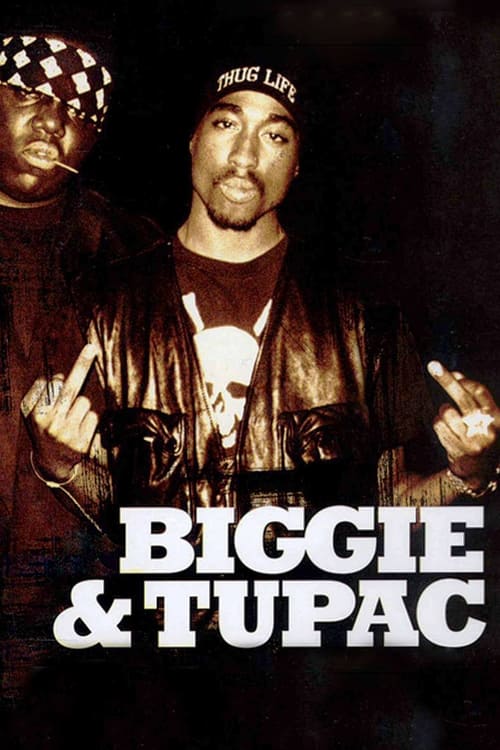
In 1997, rap superstars Tupac Shakur and Christopher Wallace (aka Biggie Smalls, The Notorious B.I.G.) were gunned down in separate incidents, the apparent victims of hip hop's infamous east-west rivalry. Nick Broomfield's film introduces Russell Poole, an ex-cop with damning evidence that suggests the LAPD deliberately fumbled the case to conceal connections between the police, LA gangs and Death Row Records, the label run by feared rap mogul Marion "Suge" Knight.
Top Cast
Tupac Shakur
himself
Nick Broomfield
himself
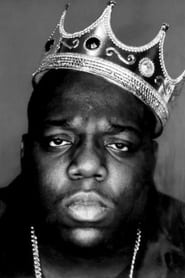
The Notorious B.I.G.
Himself (archive footage)
Russell Poole
Himself
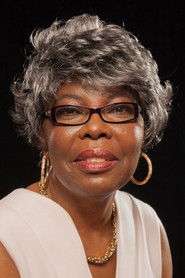
Voletta Wallace
Self - Biggie's Mother
Billy Garland
Self - Tupac's Biological Father
Chico Del Vec
Self - Rapper
Don Seabold
Self - Mark's Lawyer
Donald Hicken
Self - Tupac's Teacher
Frank Alexander
Self - Tupac's Bodyguard
Kevin Hackie
Self - Tupac's Bodyguard
Marshall Bigtower
Self - Sonia's Lawyer




Tupac Shakur
Tupac Shakur
himself
Tupac Shakur
himself
Nick Broomfield
Nick Broomfield
himself
Nick Broomfield
himself
The Notorious B.I.G.
The Notorious B.I.G.
Himself (archive footage)
The Notorious B.I.G.
Himself (archive footage)
Russell Poole
Russell Poole
Himself
Russell Poole
Himself
Voletta Wallace
Voletta Wallace
Self - Biggie's Mother
Voletta Wallace
Self - Biggie's Mother
Billy Garland
Billy Garland
Self - Tupac's Biological Father
Billy Garland
Self - Tupac's Biological Father
Chico Del Vec
Chico Del Vec
Self - Rapper
Chico Del Vec
Self - Rapper
Don Seabold
Don Seabold
Self - Mark's Lawyer
Don Seabold
Self - Mark's Lawyer
Donald Hicken
Donald Hicken
Self - Tupac's Teacher
Donald Hicken
Self - Tupac's Teacher
Frank Alexander
Frank Alexander
Self - Tupac's Bodyguard
Frank Alexander
Self - Tupac's Bodyguard
Similar Movies
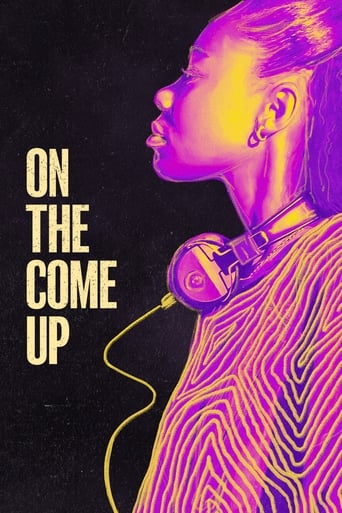
Sixteen-year-old Brianna Jackson is a gifted rapper who plans to take the battle rap scene by storm to lift up her family and do right by the legacy of her father, a local hip-hop legend whose career was cut short by gang violence. However, when her first hit song goes viral for all the wrong reasons, she finds herself torn between the authenticity that got her this far and the false persona that the industry wants to impose on her.
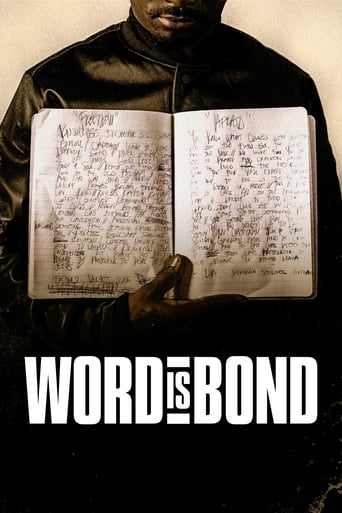
This documentary film examines the transformative power of lyrics in the world of hip-hop music. Through dynamic archival footage, in-depth interviews and excursions with artists like Nas, Tech9, J Cole, Rapsody and Anderson. Paak, the film explores the many dimensions that hip-hop poetics occupy.
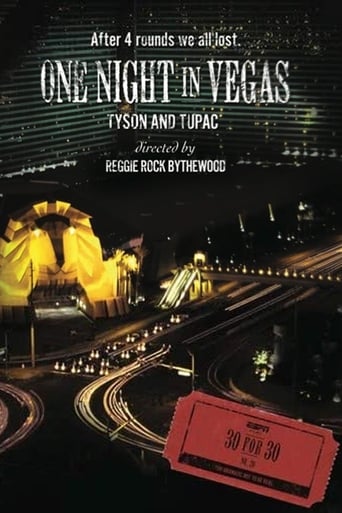
On the evening of Sept. 7, 1996, Mike Tyson, the WBC heavyweight champion, attempted to take Bruce Seldon’s WBA title at the MGM Grand in Las Vegas. At this point in his career, Tyson’s fights had become somewhat of a cultural phenomenon, where the ever present hype of the professional boxing scene would come face to face with the worlds of big business, Hollywood, and hip hop. Sitting ringside was controversial rapper Tupac Shakur. Shakur and Tyson were friends, a feeling of kinship linked them as each rose to stardom from poverty only to be thrown in prison. Following Tyson’s victory, Shakur and “Iron Mike” were to celebrate at an after party, but the rap star never arrived. Shakur was brutally gunned down later that night, and the scene in Las Vegas quickly turned from would-be celebratory revelry to ill fated and inopportune tragedy.