

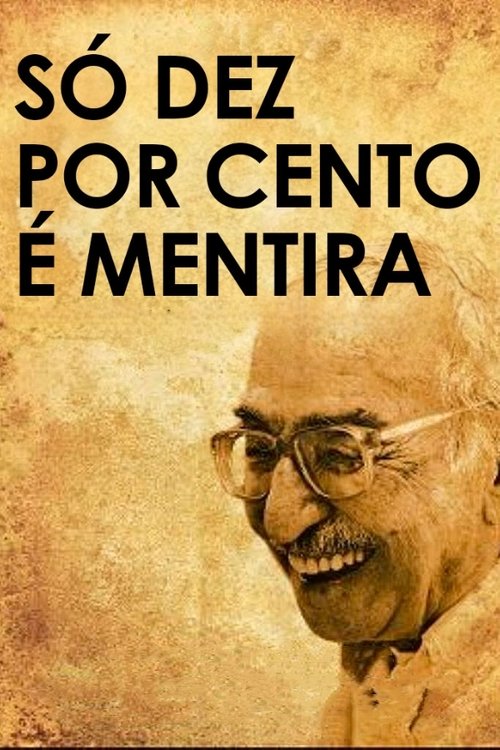
Only Ten Percent Is a Lie
Documentary
Overview
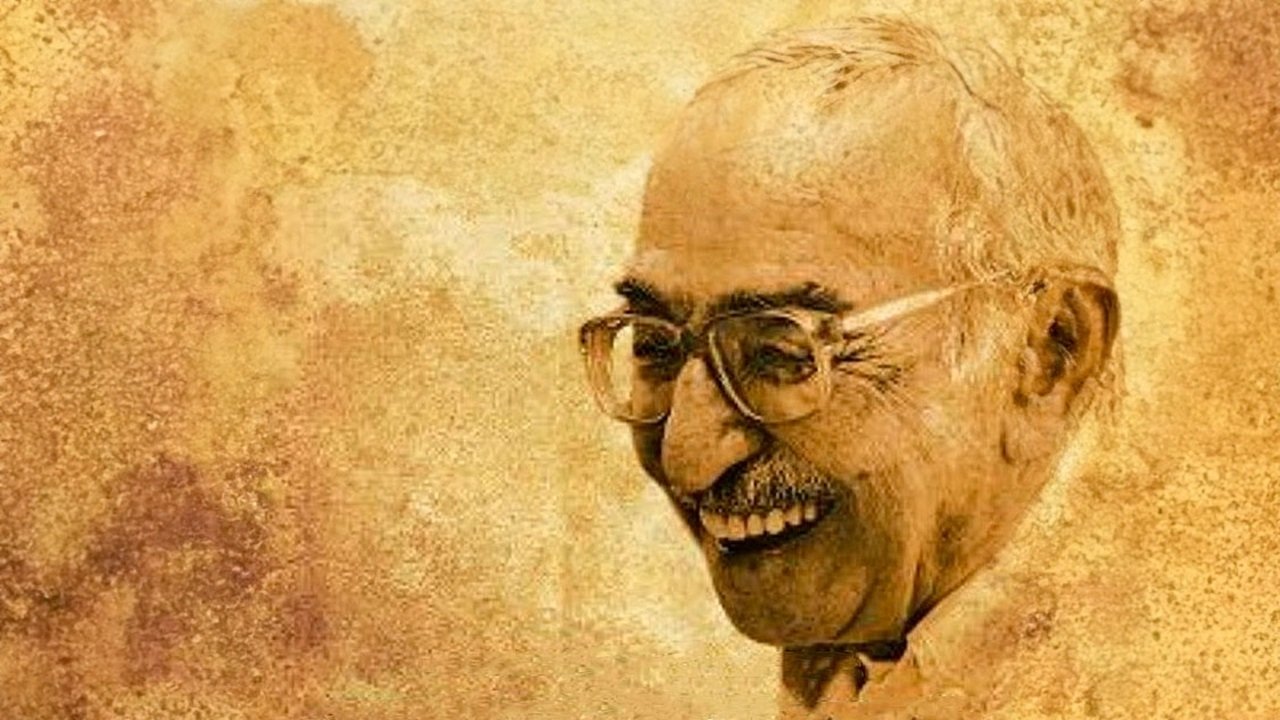
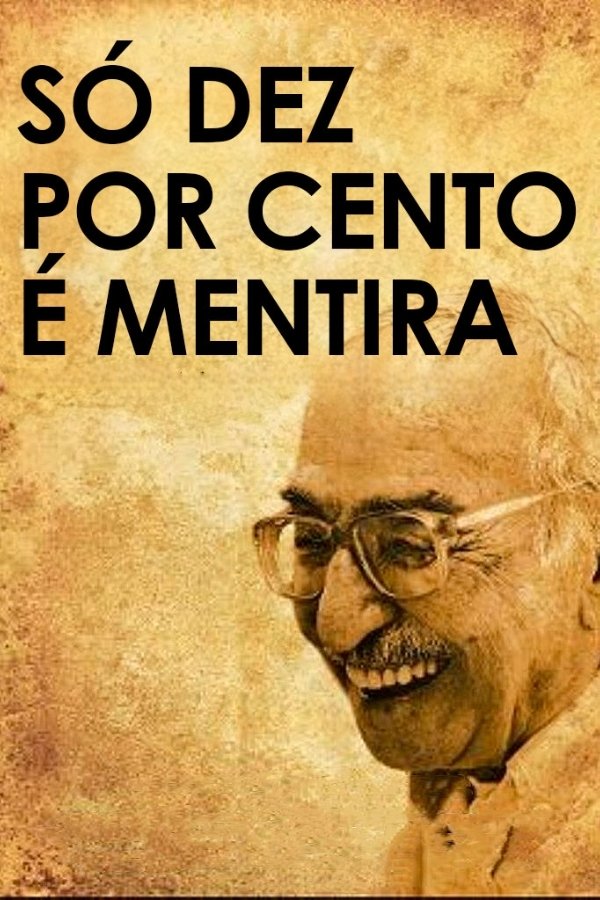
The life and literature of Mato Grosso do Sul poet Manoel de Barros. Alternating sequences of interviews with the poet, verses from his poetry, and statements of connoisseurs of his literature, the film portrays a revealing panel of the author's language. Manoel de Barros, age 91, with some 20 books published, lives in Campo Grande. Acknowledged, the winner of several literary prizes, he is the Brazilian writer who accounts for the greatest sale in poetry in Brazil.




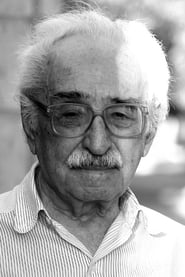
Manoel de Barros
Manoel de Barros
Himself
Manoel de Barros
Himself
Paulo Giannini
Paulo Giannini
Paulo Giannini
Joel Pizzini
Joel Pizzini
Joel Pizzini
Bianca Ramoneda
Bianca Ramoneda
Bianca Ramoneda
Similar Movies
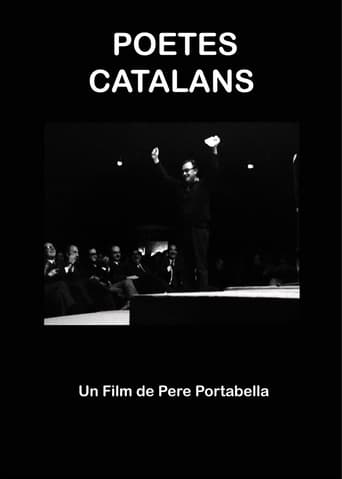
At underground film of the 1st Popular Festival of Catalan Poetry filmed in the Proce Theater in Barcelona on May 25, 1970, in solidarity with political prisoners. The participating poets were: Agustí Bartra, Joan Oliver (Pere IV), Salvador Espriu, Joan Brossa, Francesc Vallverdú and Gabriel Ferrater.
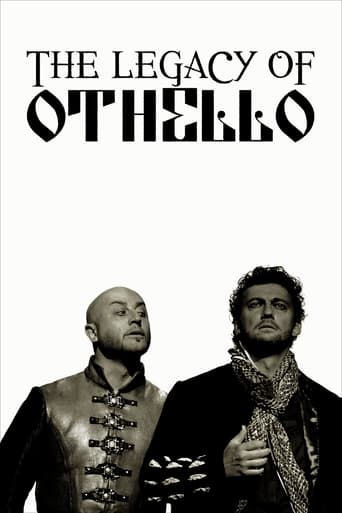
A fascinating exploration of the literary — The Tragedy of Othello, the Moor of Venice, by English playwright William Shakespeare (1604) — and lyrical — Othello, by Italian opera composer Giuseppe Verdi (1887) — myth of Othello, the desperately tragic story of a Moorish general in the army of the Venetian Republic whose absurd jealousy poisons his love for his wife Desdemona.
A moving recording of the late writer and renowned jazz singer Abbey Lincoln is captured in this new film from Brooklyn-born director Rodney Passé, who has previously worked with powerhouse music video director Khalil Joseph. Reading from her own works, Lincoln’s voice sets the tone for a film that explores the African American experience through fathers and their sons.
As Black and LGBTQ+ History Month begin this February, material science clothing brand PANGAIA leads celebrations with a poetic film that honors these two communities. Following a year of isolation, and with it a deeper understanding of the importance of outdoor spaces and the environment, Wè is a portrait of the self-love and acceptance we have learned to show others and gift to ourselves.
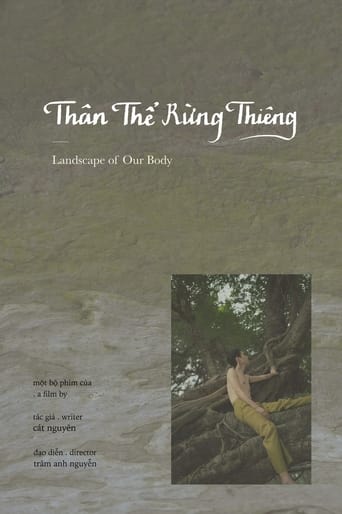
As queer trans and gender non-conforming children of the Vietnamese diaspora, we are fragmented at the crossroads of being displaced from not only a sense of belonging to our ancestral land, but also our own bodies which are conditioned by society to stray away from our most authentic existence. Yet these bodies of ours are the vessels we sail to embark on a lifetime voyage of return to our original selves. It is our bodies that navigate the treacherous tides of normative systems that impose themselves on our very being. And it is our bodies that act as community lighthouses for collective liberation. Ultimately, the landscape of our bodies is our blueprint to remembering, to healing, to blooming.