

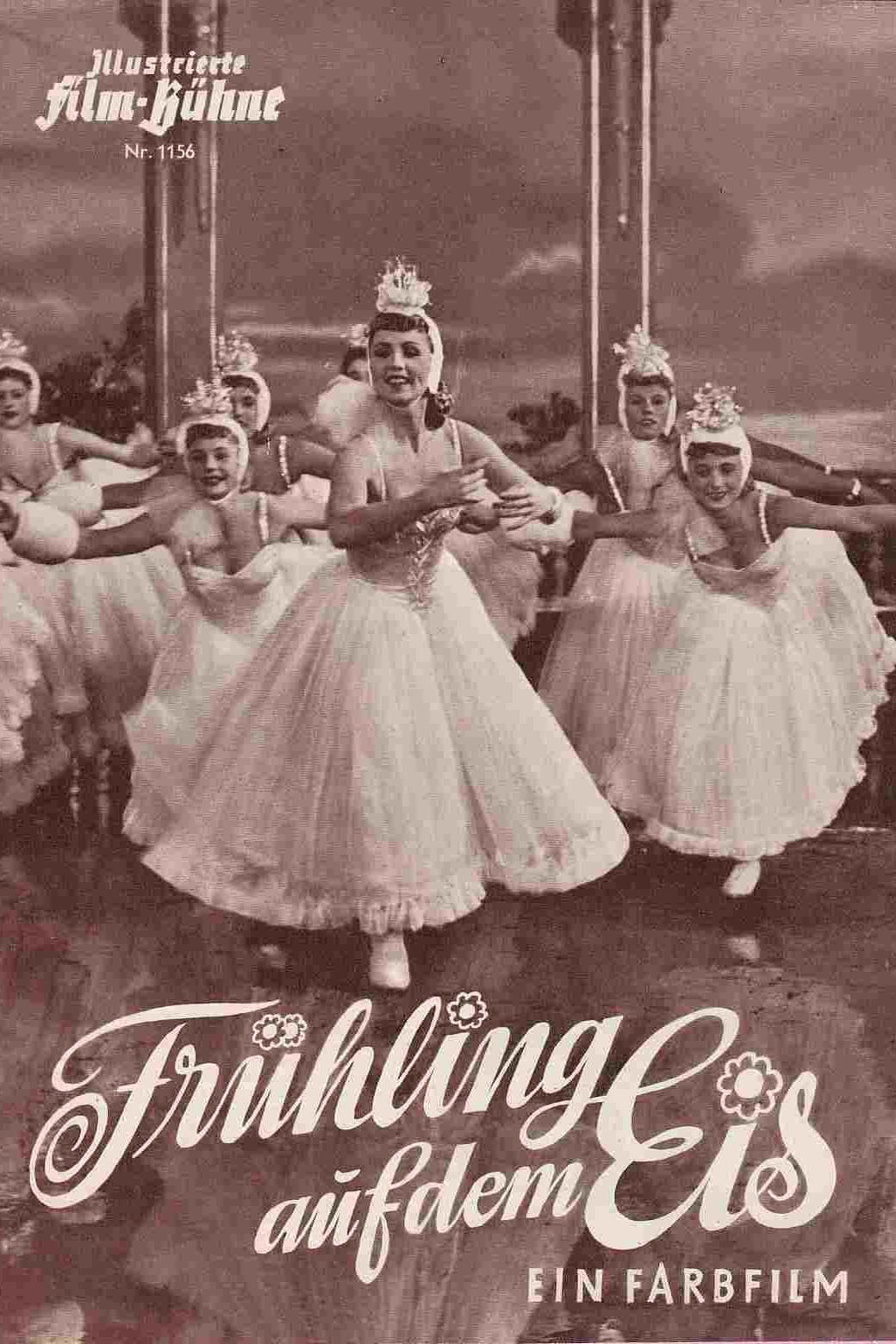
Frühling auf dem Eis
Comedy
Overview
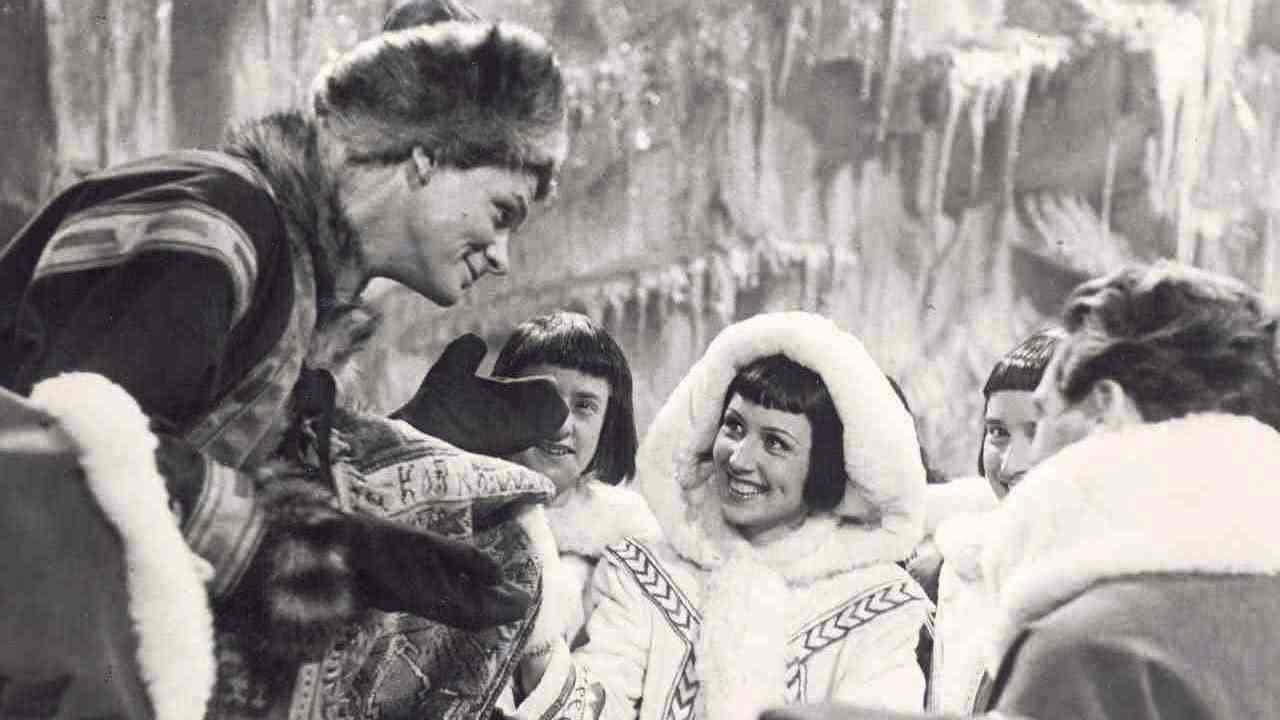
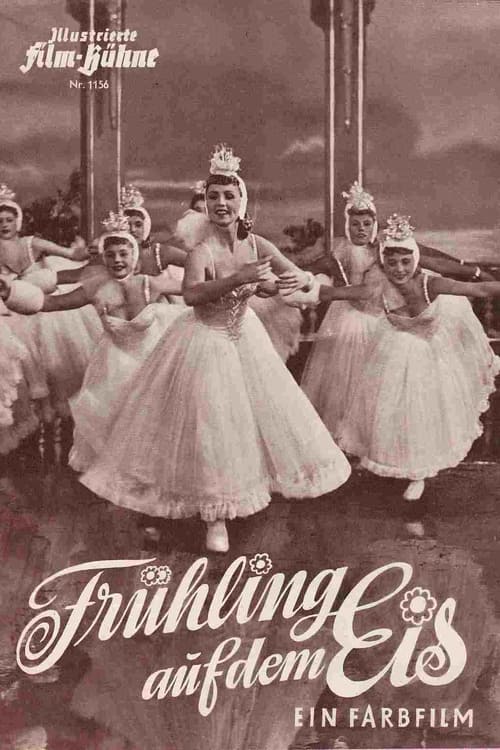
A group of talented young people are dismissed from an ice dancing troupe as a result of the intrigues of Alida, the wife of impresario Gordon. Outraged, the young people leave Gordon's troupe and, having organized their own group, soon achieve success with audiences. Gordon, deprived of his talented performers, suffers a collapse and goes bankrupt.







Eva Pawlik
Eva Pawlik
Eva
Eva Pawlik
Eva

Herta Mayen
Herta Mayen
Alida - Gordons Frau
Herta Mayen
Alida - Gordons Frau

Hans Holt
Hans Holt
Thomas Haller
Hans Holt
Thomas Haller
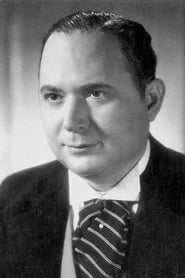
Oskar Sima
Oskar Sima
Herbert Gordon
Oskar Sima
Herbert Gordon
Harry Fuß
Harry Fuß
Karl (as Harry Fuss)
Harry Fuß
Karl (as Harry Fuss)
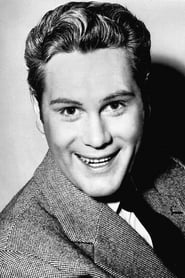
Erich Auer
Erich Auer
Hans
Erich Auer
Hans

Albin Skoda
Albin Skoda
Manuel
Albin Skoda
Manuel

Ernst Waldbrunn
Ernst Waldbrunn
Nachtwächter
Ernst Waldbrunn
Nachtwächter
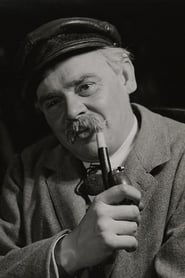
Karl Skraup
Karl Skraup
Gottlieb Hinterstoisser
Karl Skraup
Gottlieb Hinterstoisser
Robert Tessen
Robert Tessen
Otto Wagner
Robert Tessen
Otto Wagner
Similar Movies
1947, in France, Antoine and Antoinette, a young couple living in Paris, lead a monotonous existence: he works in a print shop while she is a shop assistant. But one evening, they regain hope: Antoine finds a winning lottery ticket in his girlfriend's handbag. He decides to cash it in, but loses his wallet. What follows is a series of twists and turns that redefine the couple's priorities while forcing them to remain optimistic.
The Emperor's mismanagement of his country is provoking some in his court to plot to overthrow him. He feels successful, at least, when he discovers the legendary Golem, which he believes can protect him and even cure his imaginary illnesses but, when he disappears while on a bender, his kindly baker, who looks just like him, is mistaken for him, and begins to put things in order. However, the conspirators, not to be outdone, determine to bring the Golem back to life to do their bidding.
Diederich Heßling is scared of everything and everyone. But as he grows up, he comes to realize that he has to offer his services to the powers-that-be if he wants to wield power himself. His life motto now runs: bow to those at the top and tread on those below. In this way, he always succeeds: as a student in a duel-fighting student fraternity and as a businessman in a paper factory. He cajoles the obese district administrative president Von Wulkow and wins his favor. He slanders his financial rivals and hatches a plot with the social democrats in the town council. On his honeymoon with his rich wife Guste, he finally finds a chance to do his beloved Kaiser a favor. And when a memorial to the Kaiser is unveiled in the town where Diederich lives and works, he delivers the address. He stands behind the lectern in the pouring rain, saluting his Kaiser. The crowd is dispersed. Everything is laid in ruins...
The two pigs building houses of hay and sticks scoff at their brother, building the brick house. But when the wolf comes around and blows their houses down (after trickery like dressing as a foundling sheep fails), they run to their brother's house. And throughout, they sing the classic song, "Who's Afraid of the Big Bad Wolf?".
A marching band of Germans, Italians, and Japanese march through the streets of swastika-motif Nutziland, serenading "Der Fuehrer's Face." Donald Duck, not living in the region by choice, struggles to make do with disgusting Nazi food rations and then with his day of toil at a Nazi artillery factory. After a nervous breakdown, Donald awakens to find that his experience was in fact a nightmare.
This time the "amici" (friends) are just four: Necchi, Meandri, Mascetti and Sassaroli. Nevertheless they are older they still love to spend their time mainly organizing irresistible jokes to everyone in every kind of situation. Mascetti is hospitalized in a geriatric clinic. Of course the place become immediately the main stage for all their jokes. After some jokes they decided to place an ultimate incredible and farcical joke to the clinic guests.
Longfellow Deeds lives in a small town, leading a small town kind of life. When a relative dies and leaves Deeds a fortune, Longfellow moves to the big city where he becomes an instant target for everyone. Deeds outwits them all until Babe Bennett comes along. When small-town boy meets big-city girl anything can, and does, happen.
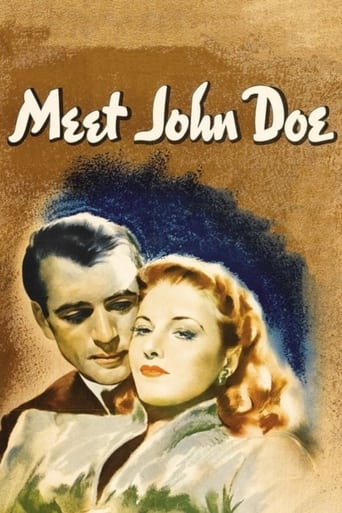
As a parting shot, fired reporter Ann Mitchell prints a fake letter from unemployed "John Doe," who threatens suicide in protest of social ills. The paper is forced to rehire Ann and hires John Willoughby to impersonate "Doe." Ann and her bosses cynically milk the story for all it's worth, until the made-up "John Doe" philosophy starts a whole political movement.
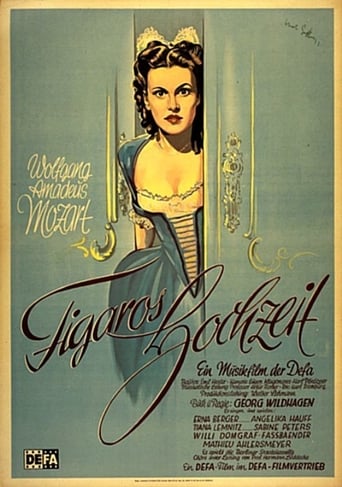
Shortly after WWII, the DEFA Studios produced a series of operas and operettas which belonged to the classical German musical heritage. This enchanting film, the very first opera production of DEFA, stands out because of its lavish decor and costumes, its outstanding actors and their masterful voices of that time.
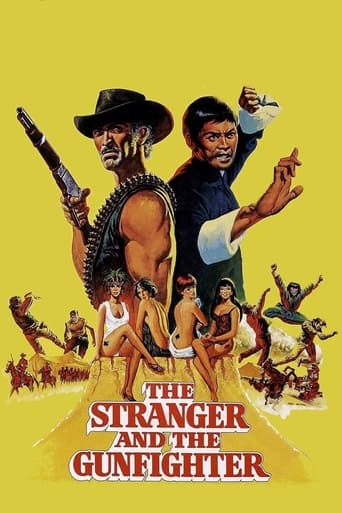
During a hold-up in the Wild West, Dakota kills a rich old Chinese man, Wang. Later, he is captured, sentenced, and is about to be hanged - and he never profitted from Wang's death, has he buried him with the photographs of his four widows, and a few worthless papers. Meanwhile, Ho comes to America in search of his uncle's fortune, and must get Dakota free, as he his the only man who can lead him to Wang's tomb. They open the tomb, retaking the pictures of Wang's widows. It happens he reads the papers and knows that Wang had one quarter of a map tattooed in each of his women's buttocks. Now, the difficult part will really start... Treasure hunt.