

Mamori
Animation
Overview
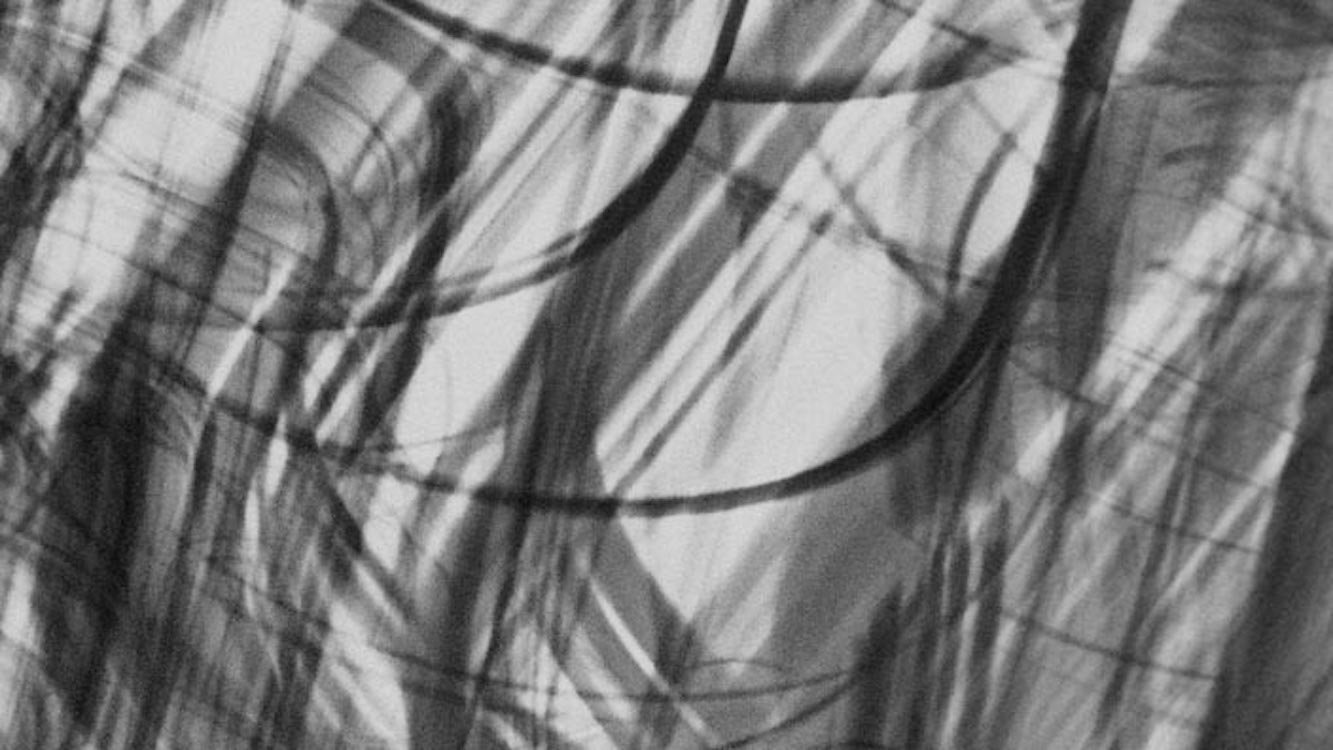
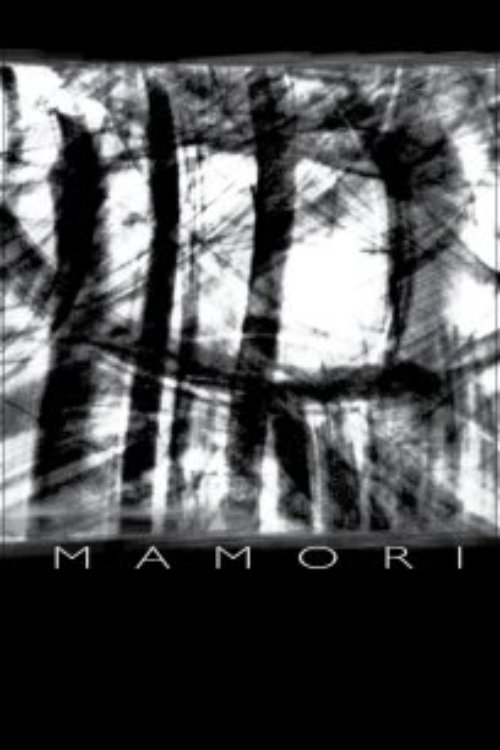
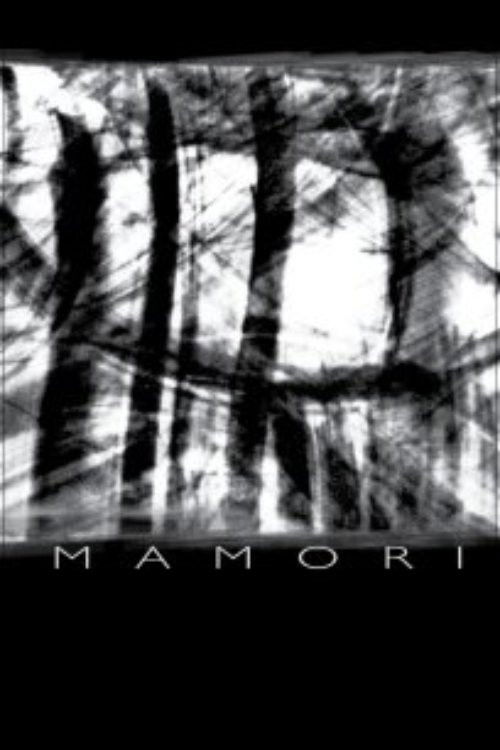
Mamori transports us into a black-and-white universe of fluid shapes, dappled and striated with shadows and light, where the texture of the visuals and of the celluloid itself have been transformed through the filmmaker’s artistry. The raw material of images and sounds was captured in the Amazon rainforest by filmmaker Karl Lemieux and avant-garde composer Francisco López, a specialist in field recordings. Re-filming the photographs on 16 mm stock, then developing the film stock itself and digitally editing the whole, Lemieux transmutes the raw images and accompanying sounds into an intense sensory experience at the outer limits of representation and abstraction. Fragmented musical phrases filter through the soundtrack, evoking in our imagination the clamour of the tropical rainforest in this remote Amazonian location called Mamori.


No cast information.
Similar Movies
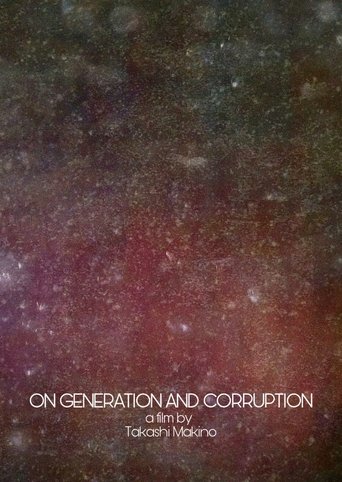
Borrowing its title from a treatise by Aristotle, the latest film by Makino Takashi is an abstract work that finds its drive in the clash between light and darkness. Entirely composed of superimposed images of Tokyo’s landscape and water sites, the film takes its rhythm from the cycles of repetition that are the pillars of life and civilisation. As light emerges from the chaos, Jim O’Rourke’s ambient drone sets the tone for what is to come.

This animated short is about a elipse who was made an outcast of the circle tribe, but he was exiled from his tribe, and he goes on a journey to get back to his tribe. He makes friends with a traveling triangle and the hippie hyberbolies who give him some mint to help him learn how to change shapes so he can be perfect once for all so he can return to the Circle tribe for good.
This is a didactic film in disguise. A progression of brilliant geometric shapes bombard the screen to the insistent beat of drums. The filmmaker programmed a computer to coordinate a highly complex operation involving an electronic beam of light, colour filters and a camera. This animation film, without words, is designed to expose the power of the cinematic medium, and to illustrate the abstract nature of time.
During the 1995 Summer Institute at The Geometry Center, a team of undergraduates, middle and high school mathematics teachers and Center staff developed curriculum materials supporting The Shape of Space video. The team developed a comprehensive curriculum, covering many areas related to the video. The following materials were selected for distribution based on their direct relevence to understanding the video itself.