

Pinta
Overview
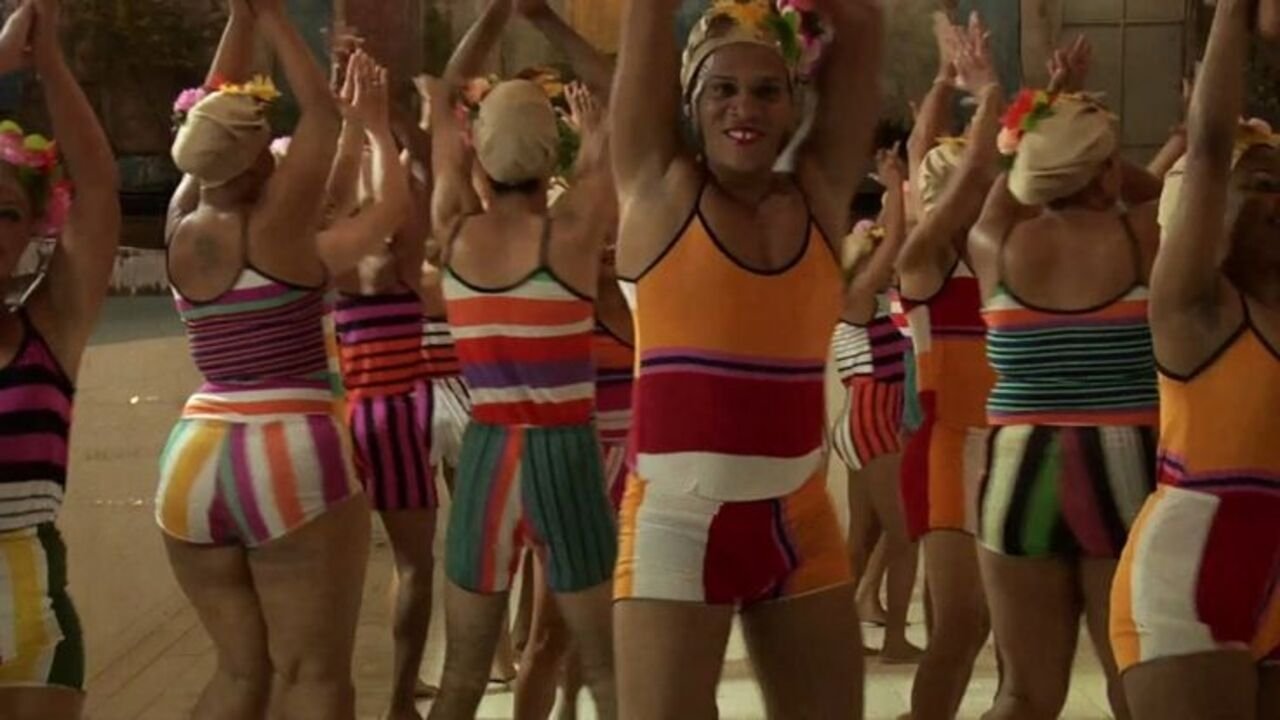
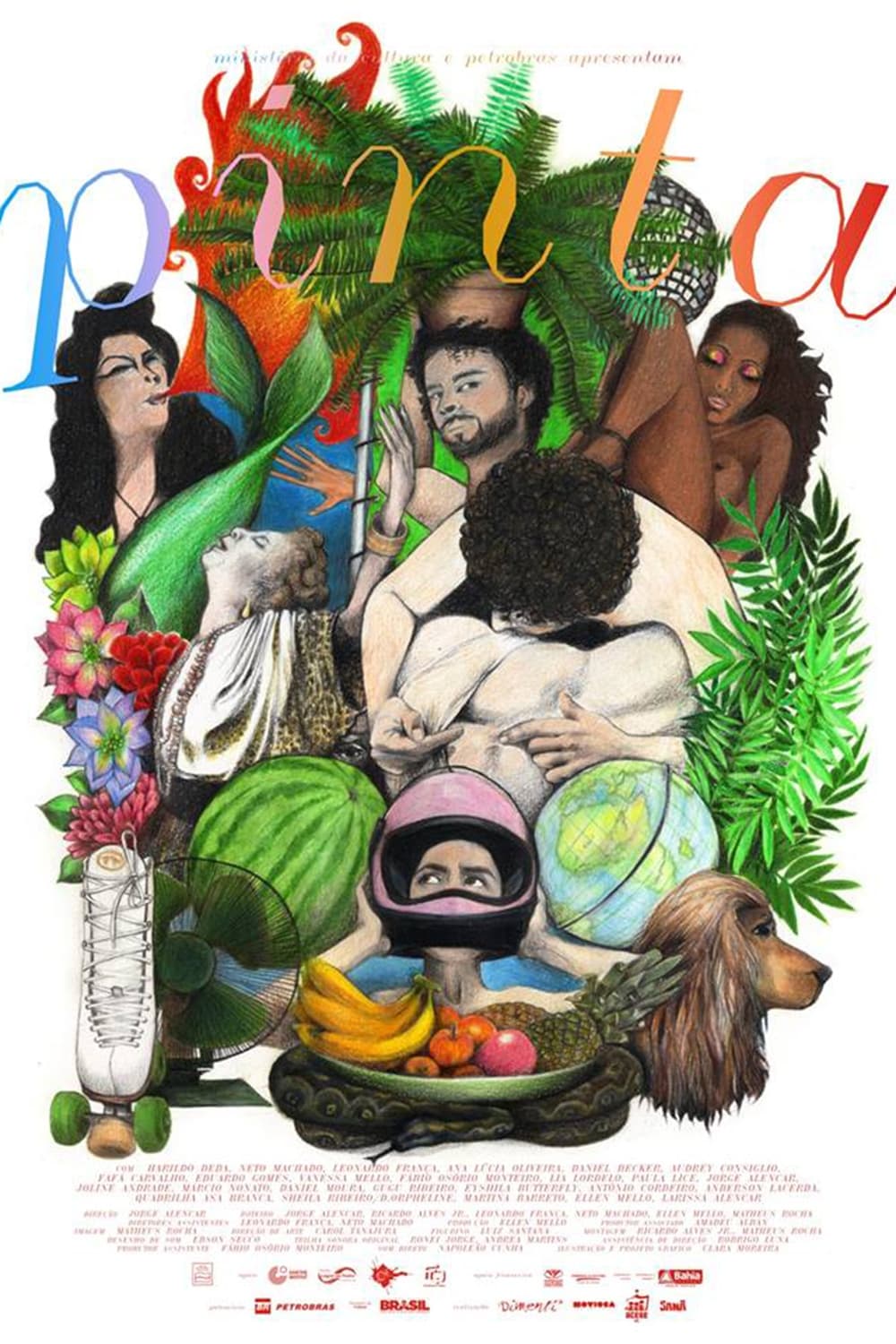
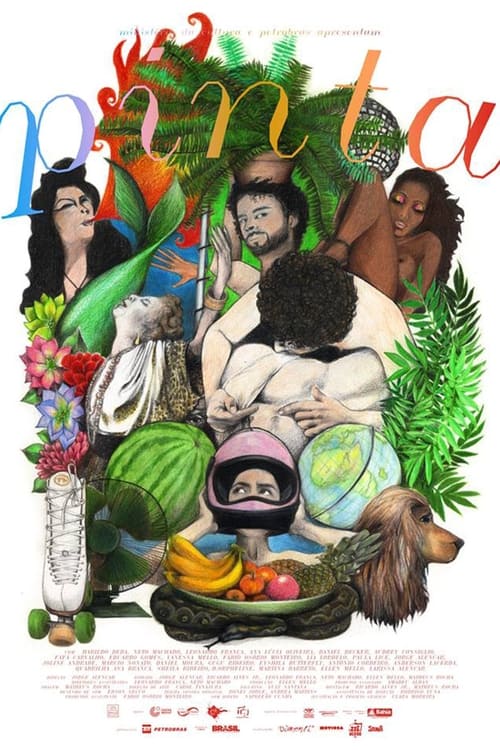
Dubbings, stunts, remixes, aesthetic covers. Diffuse, decentralized, peripheral, tipsy. Theme: an extemporaneous choreographic chanchada. Content: artistic nudity, discrete zoophilia and dance.




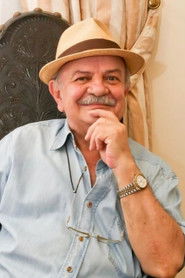
Harildo Déda
Harildo Déda
Narrator
Harildo Déda
Narrator
Jorge Alencar
Jorge Alencar
Jorge Alencar
Larissa Alencar
Larissa Alencar
Larissa Alencar
Joline Andrade
Joline Andrade
Joline Andrade
Martina Barreto
Martina Barreto
Martina Barreto
Daniel Becker
Daniel Becker
Daniel Becker
Leonardo França
Leonardo França
Leonardo França
Paula Lice
Paula Lice
Paula Lice

Eduardo Gomes
Eduardo Gomes
Eduardo Gomes

Fábio Osório Monteiro
Fábio Osório Monteiro
Fábio Osório Monteiro
Similar Movies

With the coveted glitter ball trophy once again up for grabs, how will series winner Chris Hollins fare against other celebrity favourites - including Austin Healey, Kelly Brook, Mark Ramprakash, Ali Bastian, and Natalie Cassidy? As they take to the stage alongside their professional partners including; Kristina Rihanoff, James and Ola Jordan, Brian Fortuna, Natalie Lowe and Ian Waite, in brand new breathtaking outfits and daring routines. They will need to impress judges; Len Goodman, Bruno Tonioli, Craig Revel Horwood and Arlene Philips. Who as always, are ready with quips, banter and razor-sharp observations!

In the spring of 1913, Parisian businessman Gabriel Astruc opens a new theater on the Champs Elysées. The first performance is the premiere of Igor Stravinsky's 'The Rite of Spring', danced by the Ballet Russes. The rehearsal process is extremely fraught: the orchestra dislike Stravinsky's harsh, atonal music; the dancers dislike the 'ugly' choreography of Vaslav Nijinsky. The volatile, bisexual Nijinsky is in a strained relationship with the much older Sergei Diaghilev, the Ballet Russes' charismatic but manipulative impresario. Public expectation is extremely high after Nijinsky's success in 'L'apres-midi d'un faune'. Finally, 'The Rite of Spring' premieres to a gossip-loving, febrile, fashion-conscious Parisian audience sharply divided as to its merits.
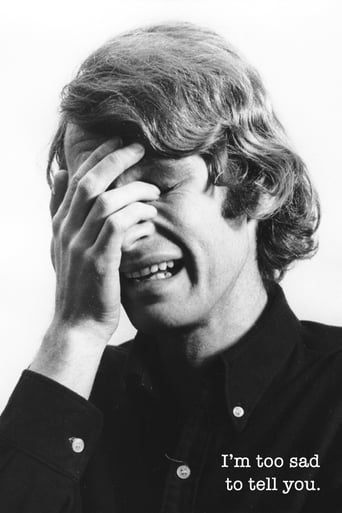
This short film is part of a mixed media artwork of the same name, which also included postcards of Ader crying, sent to friends of his, with the title of the work as a caption. The film was initially ten minutes long, and included Ader rubbing his eyes to produce the tears, but was cut down to three and a half minutes. This shorter version captures Ader at his most anguished. His face is framed closely. There is no introduction or conclusion, no reason given and no relief from the anguish that is presented.
Shot in his garage-studio, the camera records Ader painstakingly hoisting a large brick over his shoulder. His figure is harshly lit by two tangles of light bulbs. He drops the brick, crushing one strand of lights. He again lifts the brick, allowing tension to accrue. The climax inevitable—the brick falls and crushes the second set of lights. Here the film abruptly ends, all illumination extinguished.