


A Woman Who Knows What She Wants
Romance · Comedy · Music
Overview
Woman concert singer seeks to connect with her adult daughter, by her former marriage to a staid industrialist who has kept the two apart since the daughter was a small child, and gets inadvertent help from the industrialist's fired employee who has fallen in love with the girl.
Top Cast

Lil Dagover
Manon Cavallini

Anton Walbrook
Axel Basse
Maria Beling
Karin Mattisson
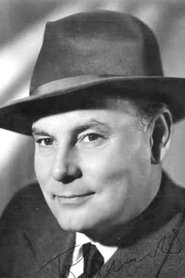
Anton Edthofer
Erik Mattisson

Kurt Vespermann
Peter Carsten
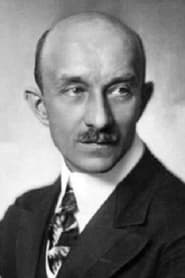
Hans Junkermann
Dr. Heyberg
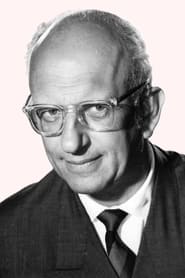
Werner Finck
Press Agent Kalmann
Inge John
Kalmann's Secretary
Franz Scharwenka
Presidente Tubitor of Paramarenja
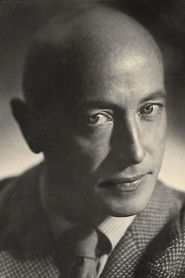
Hubert von Meyerinck
Banker Lyngel
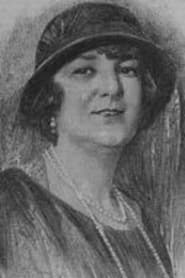
Pepi Glöckner-Kramer
Babette
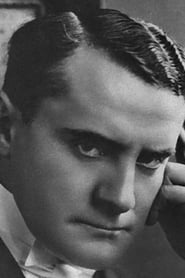
Leo Peukert
The Show's Director







Lil Dagover
Lil Dagover
Manon Cavallini
Lil Dagover
Manon Cavallini
Anton Walbrook
Anton Walbrook
Axel Basse
Anton Walbrook
Axel Basse
Maria Beling
Maria Beling
Karin Mattisson
Maria Beling
Karin Mattisson
Anton Edthofer
Anton Edthofer
Erik Mattisson
Anton Edthofer
Erik Mattisson
Kurt Vespermann
Kurt Vespermann
Peter Carsten
Kurt Vespermann
Peter Carsten
Hans Junkermann
Hans Junkermann
Dr. Heyberg
Hans Junkermann
Dr. Heyberg
Werner Finck
Werner Finck
Press Agent Kalmann
Werner Finck
Press Agent Kalmann
Inge John
Inge John
Kalmann's Secretary
Inge John
Kalmann's Secretary
Franz Scharwenka
Franz Scharwenka
Presidente Tubitor of Paramarenja
Franz Scharwenka
Presidente Tubitor of Paramarenja
Hubert von Meyerinck
Hubert von Meyerinck
Banker Lyngel
Hubert von Meyerinck
Banker Lyngel
Similar Movies
An unofficial sequel to the movie "Ivan Vasilyevich Changes His Profession". The events take place on New Year's Eve 1997-1998, 24 years after the events of the movie. According to the plot, the main characters (Shurik, Bunsha, Zina and Ulyana Andreyevna) are going to celebrate New Year's Eve, and the engineer Alexander Sergeyevich Timofeev (Shurik) decides to present his recreated (and modernized) time machine to the guests. Having gone to the XVI century, they find there an aged Georges Miloslavsky, who has been sitting as regent for 25 years instead of Ivan the Terrible, who has run away; the Tsar was so inspired by the profession of Zina and Yakin that he decided to try his hand at filmmaking and went to "Mosfilm" instead of the Tsar's chambers. In an effort to correct the disruption of the course of history, the heroes re-engage the time machine and travel back to the 1970s in search of the Tsar, who dreams of becoming an actor.
Larry the Cucumber's vision of the future includes automated robotic hosts telling jokes with random punch lines and musical numbers in which the performers and themes are chosen entirely by chance. As Bob the Tomato quickly points out, the jokes of the future aren't very funny because they don't make sense. Worse, technical malfunctions in the Ventrilomatic hosts actually promote emotional instability. Nonetheless, Bob admits that Larry's vision of the future contains some very cool adaptations of classic songs like Gilbert and Sullivan's fast-talking "Modern Major General" and Binky the Aardvark's solo performance of Mozart's The Barber of Seville. Larry's vision of the future also includes an amusing animated short about greed called "Lunch." Junior Asparagus calls Bob and Larry back to the present with a final song celebrating God's unconditional love.
The young craftsman Gogia and the village girl Tasia fall in love with each other. Arriving in Tasia's village accompanied by a wedding procession, Gogia Can't find his bride anymore, Turns out by the order of Tasia's godmother, the duke's wife, she was taken to the duke's house as a servant. The elderly duke liked Tasia and decided to marry her. Gogia with the help of his friends, Karachokheli, tries to get his bride back.
The evil knight Torchesac, who is at the service of the sinister lord of La Mortaille, gets a very powerful magic flute and uses it for evil purposes. Johan and Pirlouit, assisted by the magician Homnibus, travel to the land of the Smurfs, the only manufacturers of this sort of instrument, to get a new one and battle the usurpers.
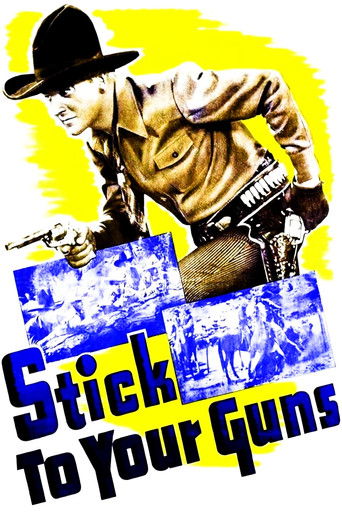
Buck Peters arranges for Hoppy, California, Johnny and other cowboys to go to the aid of friends whose cattle are being rustled. Hoppy and California locate the rustlers' hideout and join the gang by posing as outlaws themselves, but must find a way to let the rest of the posse know where they are.
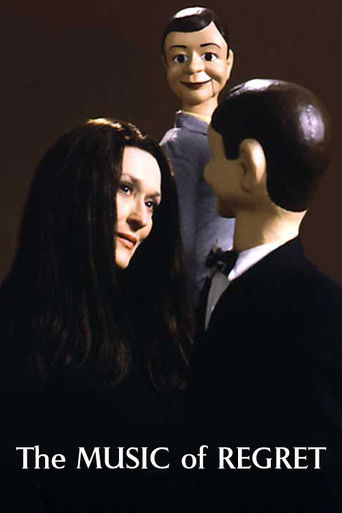
Simmons, best-known for her photographs of miniature rooms populated by dolls and of oversized objects—such as a house, birthday cake, and pistol—balanced on female legs, both human and fake, brings these characters to life in a three-act mini-musical. The film is inspired by three distinct periods of Simmons’s photographic work: vintage hand puppets, ventriloquist dummies and walking objects enact tales of ambition, disappointment, love, loss, and regret. Working with composer Michael Rohaytn ("Personal Velocity") and cameraman Ed Lachman ("The Virgin Suicides" and "Far From Heaven"), Simmons’s puppets come to life in miniature domestic scenes that echo real life.