

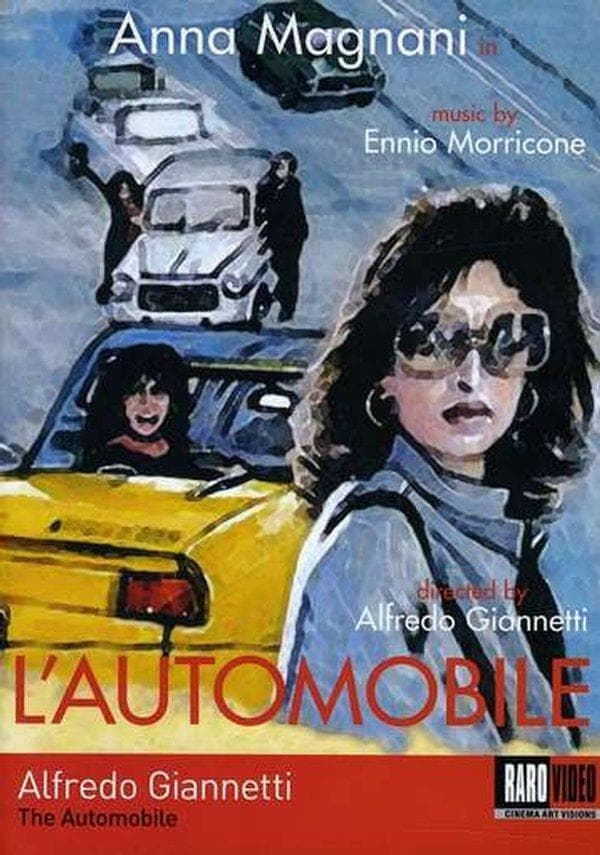
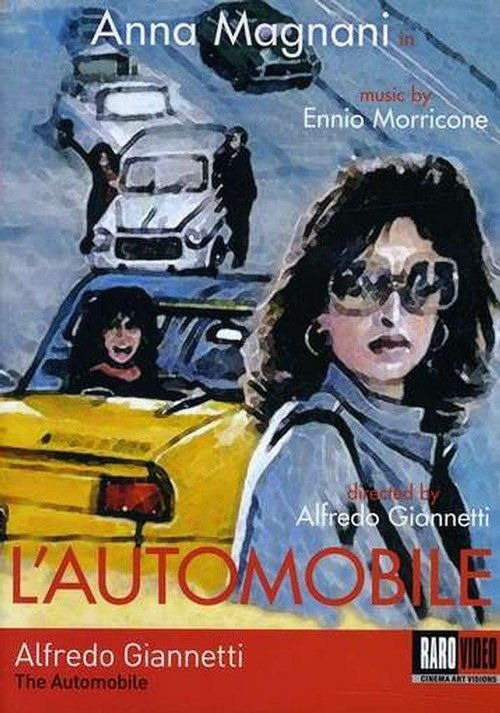
The Automobile
TV Movie · Drama
Overview
An ex-prostitute, feeling an emptiness in her life, decides to fill it by buying a car.
Top Cast

Anna Magnani
Anna

Vittorio Caprioli
Giggetto

Christian Hay
Lou
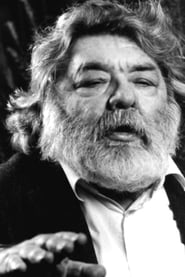
Donato Castellaneta
Guidino
Milla Johansson
Woman by the restaurant entrance (uncredited)
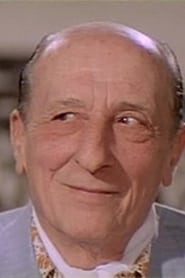
Renato Malavasi
Matteo

Pupo De Luca
Insegnante scuola guida
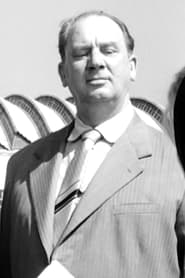
Ettore Geri
Il tedesco

Luigi Zerbinati
Il cameriere

Anna Lina Alberti
"Lei"
Francesca Lionti
La moglie del gitante



Anna Magnani
Anna Magnani
Anna
Anna Magnani
Anna
Vittorio Caprioli
Vittorio Caprioli
Giggetto
Vittorio Caprioli
Giggetto
Christian Hay
Christian Hay
Lou
Christian Hay
Lou
Donato Castellaneta
Donato Castellaneta
Guidino
Donato Castellaneta
Guidino
Milla Johansson
Milla Johansson
Woman by the restaurant entrance (uncredited)
Milla Johansson
Woman by the restaurant entrance (uncredited)
Renato Malavasi
Renato Malavasi
Matteo
Renato Malavasi
Matteo
Pupo De Luca
Pupo De Luca
Insegnante scuola guida
Pupo De Luca
Insegnante scuola guida
Ettore Geri
Ettore Geri
Il tedesco
Ettore Geri
Il tedesco
Luigi Zerbinati
Luigi Zerbinati
Il cameriere
Luigi Zerbinati
Il cameriere
Anna Lina Alberti
Anna Lina Alberti
"Lei"
Anna Lina Alberti
"Lei"
Similar Movies

Colloquially-told story of a few days in the life of Marieta, who's saving money for the last operation in her change from man to woman. She works as a prostitute in Madrid and longs for a legitimate job. Whenever she builds up her savings, her housemate and best friend Tomás finds ways to spend, lose, or cost her those funds. She meets Raúl, whom she likes and who likes her; the trouble is he also likes that part of her she wants removed. If that's not enough, she also has narcolepsy, and when she conks out, she dreams of musical-theater numbers in which she's the singing and dancing star. Are these dreams always going to be 20 centimeters out of reach?
Three different scenarios, intercut, all using the same words but with very different meanings. A corrupt cop is more interested in the money on the criminals he catches than justice; a young woman discovers she's pregnant, and her boyfriend is unfeeling; and a young man calls a prostitute it's the first time for both, and neither can go through with it. Ultimately, all the stories come together.

Old sailor Chris Christofferson eagerly awaits the arrival of his grown daughter Anna, whom he sent at five years old to live with relatives in Minnesota. He has not seen her since, but believes her to be a decent and respectably employed young woman. When Anna arrives, however, it is clear that she has lived a hard life in the dregs of society, and that much of spirit has been extinguished. She falls in love with a young sailor rescued at sea by her father, but dreads to reveal to him the truth of her past. Both father and young man are deluded about her background, yet Anna cannot quite bring herself to allow them to remain deluded.
Ira translates as “Anger,” but the titular emotion isn’t often conveyed by the unnamed man and woman at the center of this subdued Italian drama set on the grim fringes of society. Instead, they spend their nights working—he in the market, she on the streets—or wandering restlessly and relentlessly around their dark, decaying city. Writer/director Mauro Russo Rouge follows his characters as they drive down roads lit by the yellow glow of streetlights, push through the crowds at a pink-hued nightclub, pick up supplies in a glaringly bright supermarket, and meander down sidewalks with drinks in hand. They rarely emerge into the sunlight; most of the action takes place in claustrophobic indoor spaces or in the cold, gray light of dusk or dawn. So, too, do their expressions remain withdrawn—even when their nascent relationship triggers a decisive act of violence.
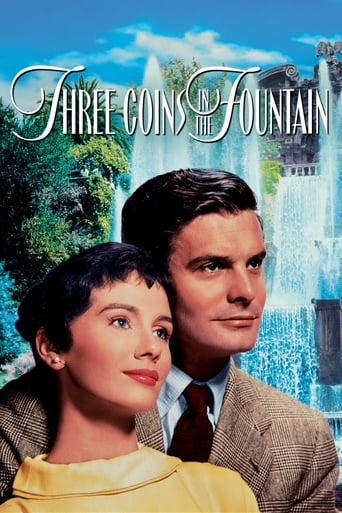
Three American roommates working in Italy wish for the man of their dreams after throwing coins into Rome's magnificent Trevi Fountain. Frances, a secretary at a government agency, sets out to win the heart of her smooth-talking novelist employer; Anita, her coworker, defies office regulations by romancing an Italian who works at the agency; and office newcomer Maria meets a real Italian Prince Charming and falls madly in love. The only thing the three hopeful ladies need to do is seal their fate.

Packard Schmidt is a burnt-out, middle-aged college English professor. In a desperate attempt to restore some sense of vitality to his lonely existence he embarks on a series of impulsive romantic exploits resulting in a cavalcade of disaster both personally and professionally. These disasters change and educate Pack and serve eventually as a meditation on the meaning and power of desire, loss, and love.

Set in 1912, inside a dive bar named The Last Chance Saloon, its destitute patrons eagerly await the arrival of Hickey, who arrives annually and props everyone up with free drinks and spirited stories of his travels. However, when Hickey does show up this year, it is with a message of temperance and an exhortation to give up hopeless dreams and face reality.