






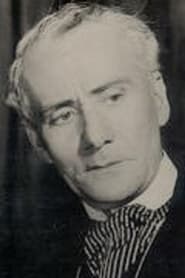
Rudolf Essek
Rudolf Essek
Vorsitzender
Rudolf Essek
Vorsitzender
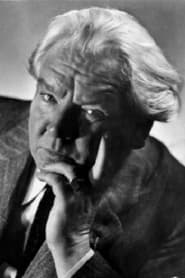
Albert Florath
Albert Florath
Albert Florath
Emmerich Hanus
Emmerich Hanus
Direktor Frank
Emmerich Hanus
Direktor Frank
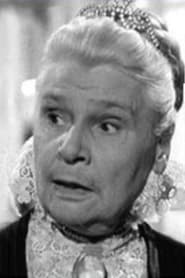
Ellen Plessow
Ellen Plessow
Fräulein von Woythe
Ellen Plessow
Fräulein von Woythe
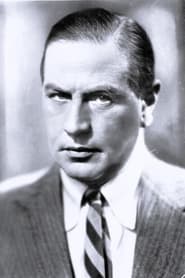
Anton Pointner
Anton Pointner
Adjutant
Anton Pointner
Adjutant

Camilla Spira
Camilla Spira
Camilla Spira
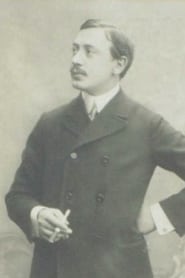
Fritz Spira
Fritz Spira
Großkaufmann Lahr
Fritz Spira
Großkaufmann Lahr
Eduard von Winterstein
Eduard von Winterstein
Administrator von Nehling
Eduard von Winterstein
Administrator von Nehling
Similar Movies
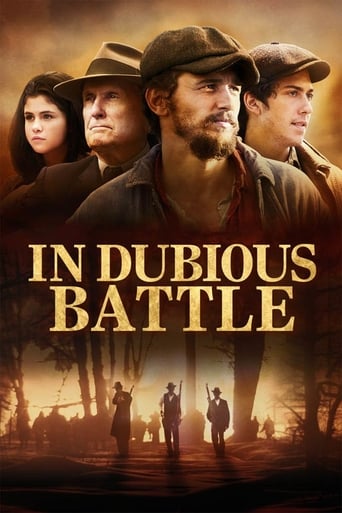
In the California apple country, 900 migratory workers rise 'in dubious battle' against the landowners. The group takes on a life of its own—stronger than its individual members, and more frightening. Led by the doomed Jim Nolan, the strike is founded on his tragic idealism—'courage, never submit, or yield'.
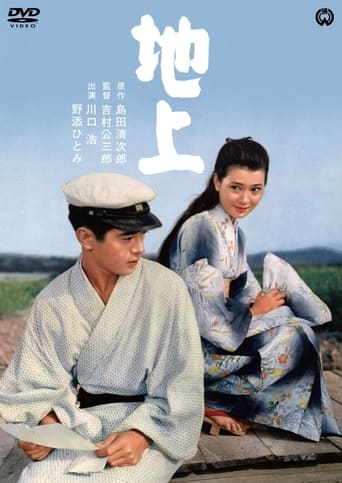
Ichiro’s family used to be a large landowner, but now he is living in poverty with his mother. His mother works hard to get her son through school. Under such circumstances, Ichiro meets Wakako, the daughter of a wealthy man, and they fall in love with each other, but they are opposed by those around them because of their different social status.
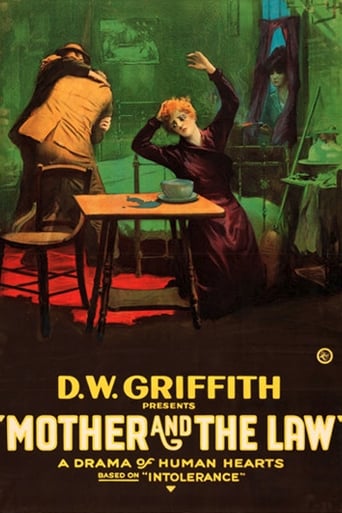
To recoup losses from the extravagant roadshow presentations of Intolerance (1916), Griffith would revisit his epic film three years later by releasing two of the film's previously interlocked stories as standalone features, with additional footage and new title cards. The second of these was 'The Mother and the Law', which demonstrates how crime, moral puritanism, and conflicts between ruthless capitalists and striking workers cause ruin to the lives of marginal Americans.
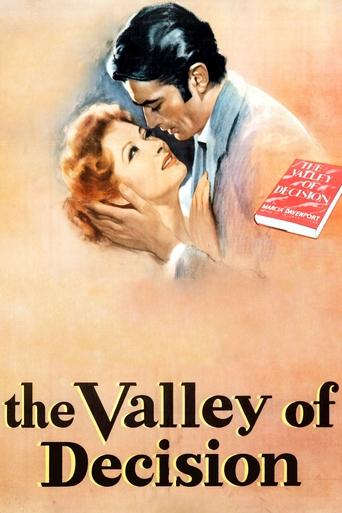
Mary Rafferty comes from a poor family of steel mill workers in 19th Century Pittsburgh. Her family objects when she goes to work as a maid for the wealthy Scott family which controls the mill. Mary catches the attention of handsome scion Paul Scott, but their romance is complicated by Paul's engagement to someone else and a bitter strike among the mill workers.
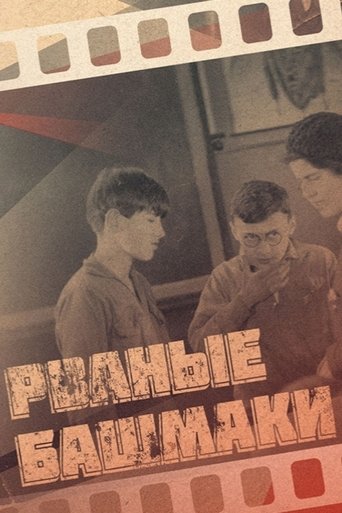
Working with children led Barskaya to create superb direct sound and an inspired style of shooting. Don’t look for conventional cinematic syntax here. The film is chaotic in the way that Soviet films still knew how to be, and Langlois couldn’t help but be seduced by its rebellious spirit, its anarchy and love of children, comparable to Vigo’s Zero de conduite. As well as being a film made with and for children, it offers a complex take on Western society. Pre-Nazi Germany is not named as such but is carefully reconstructed, possibly under advice from Karl Radek, and children offer a playful reflection of class struggle – doubly excluded, as proletarians and as minors. “They play in the same way that they live”, one intertitle says. The interaction between their comical games and the yet more ludicrous ones played by adults is developed on several levels.