

Beowulf
Overview
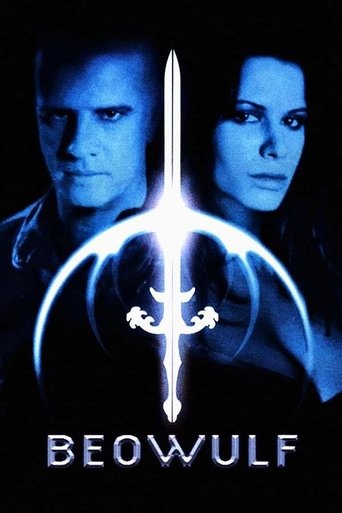
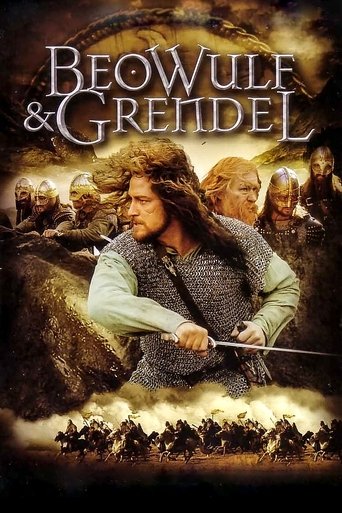
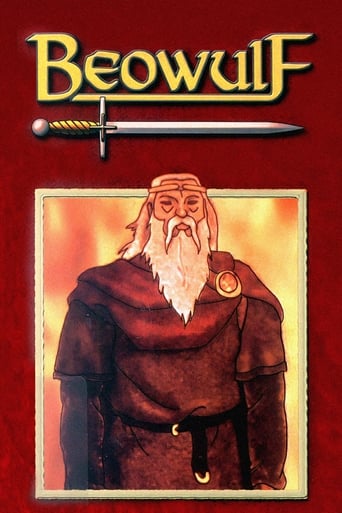
Film adaptation of the earliest known poem in the English language (written in the 8th century) which examines the ancient and heroic tradition from which the feudal system started to grow. The film, as in the poem, is an elegy lamenting the not only the reality of a lost heroic tradition, but also the loss of innocence which made possible its unquestioning acceptance.


No cast information.
Similar Movies
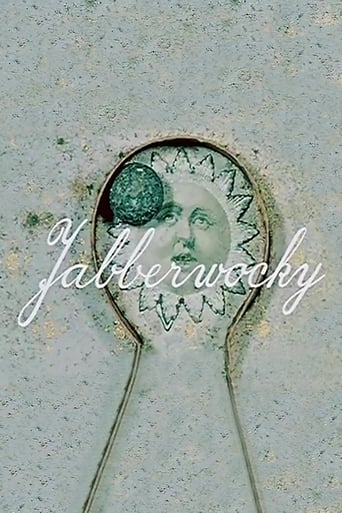
In stop-motion animation, a wardrobe moves through the countryside. It arrives in a house, a child's voice recites Lewis Carroll's "Jabberwocky," and various objects, such as toys and dolls, move about, disintegrate, and play out archetypal scenes. Like Carroll's verse, the images are at once familiar and unfamiliar. A child's play suit, hanging in the wardrobe, becomes the adventure's protagonist.
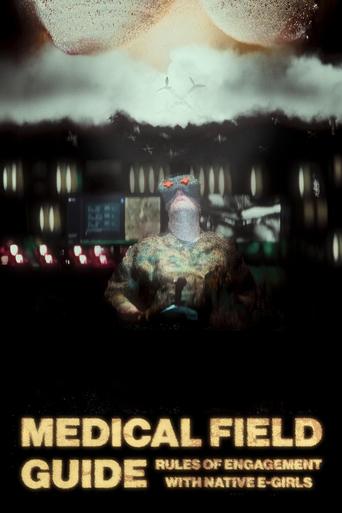
What does a drone pilot operating on a peacekeeping mission in an unnamed country see on his monitor? We are slowly getting used to the stream of variously distorted images of so-called strategic targets. Along with the ability to see human beings, animals and landscapes in crumbling shapes, sensitivity to who is watching is increasing. The poem Three Economic Units by Tomáš Čada is the source for the film.
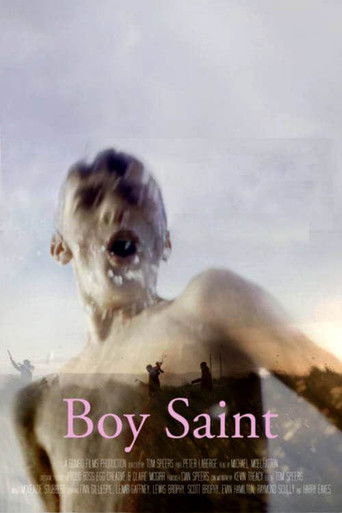
A sumptuous short film of friendship and adoration between boys, based on a poem by Peter LeBerge. Moments of joy, bonding and roughhousing on a school trip to the beach counterpoint one teen boy’s introspective sexual awakenings and questionings. Magnificent cinematography and editing create a visual feast that provides the imagery for a narrated poem by Peter Laberge alluding to early homosexual desires, but with Catholic overtones never directly expressed.

The story of love and friendship between a seamstress girl and a member of a student ensemble, who, against all odds, turned a song written by the composer about adversity into a real hit. The film adaptation of the hit of the same name by the duo Izumi and Yamauchi, inspired by the single by the American band "The Ventures".
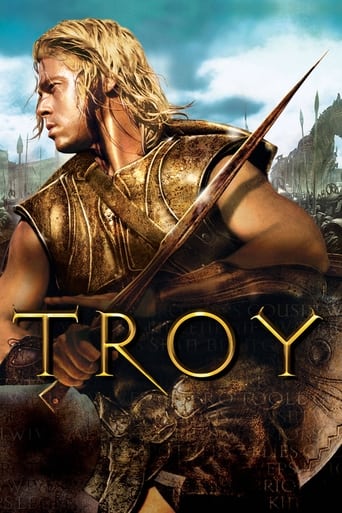
In year 1250 B.C. during the late Bronze age, two emerging nations begin to clash. Paris, the Trojan prince, convinces Helen, Queen of Sparta, to leave her husband Menelaus, and sail with him back to Troy. After Menelaus finds out that his wife was taken by the Trojans, he asks his brother Agamemnon to help him get her back. Agamemnon sees this as an opportunity for power. They set off with 1,000 ships holding 50,000 Greeks to Troy.