

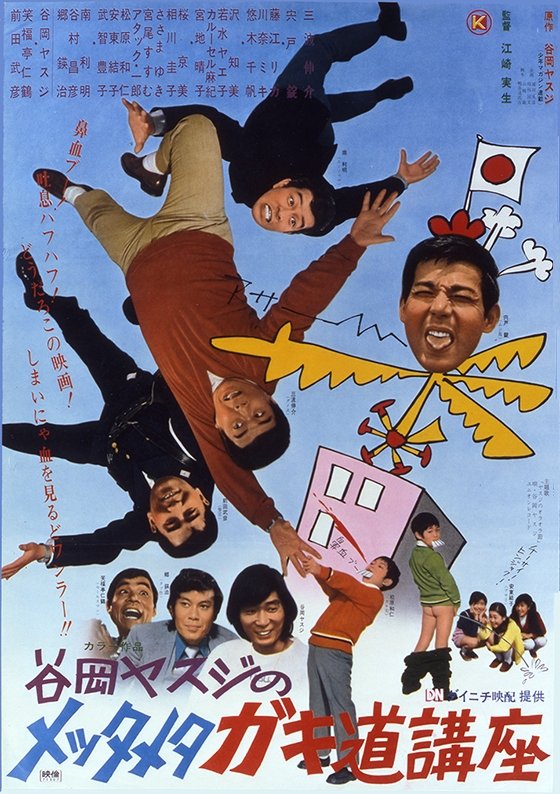
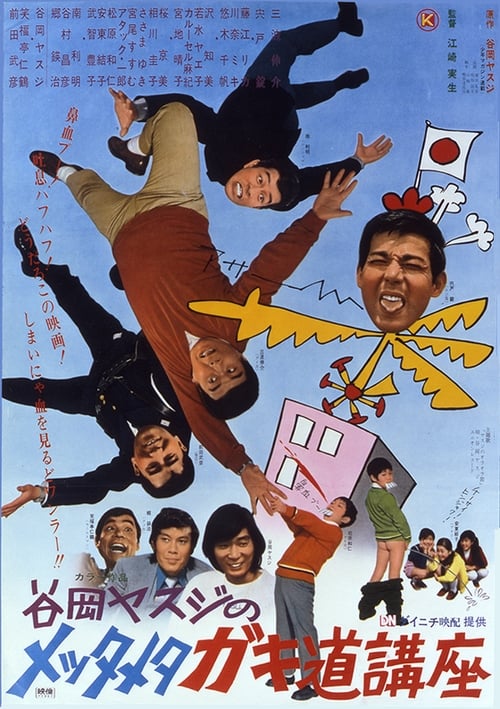
Go As Messy As Messy Can Be
Comedy
Overview
Comedy about a young man who causes pandemonium by raiding a bar patronized by his father, winning the favors of a hostess and ends up feeling the breasts and hips of all the girls in his father's office.













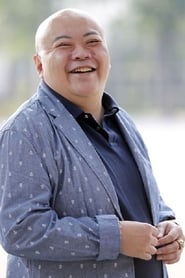
Shinsuke Minami
Shinsuke Minami
Dameji
Shinsuke Minami
Dameji
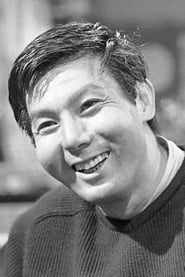
Joe Shishido
Joe Shishido
Mujitori
Joe Shishido
Mujitori
Rika Fujie
Rika Fujie
Metako
Rika Fujie
Metako

Kirin Kiki
Kirin Kiki
PTA Mama
Kirin Kiki
PTA Mama

Tomomi Sawa
Tomomi Sawa
Secretary
Tomomi Sawa
Secretary
Miki Kawana
Miki Kawana
Hostess
Miki Kawana
Hostess
Kazuhito Matsubara
Kazuhito Matsubara
Gakio
Kazuhito Matsubara
Gakio
Attack Ichiro
Attack Ichiro
Kinta
Attack Ichiro
Kinta
Toyoko Takechi
Toyoko Takechi
Mother-in-law
Toyoko Takechi
Mother-in-law
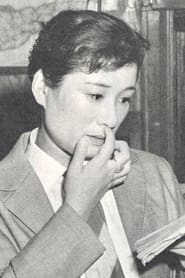
Yaeko Wakamizu
Yaeko Wakamizu
Mama
Yaeko Wakamizu
Mama
Similar Movies
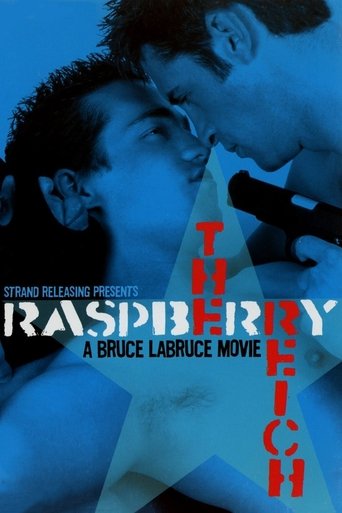
Gudrun has modeled her amateur German terrorist group after the 1970s Red Army Faction (Baader-Meinhof Gang). She attempts to imitate her heroes by kidnapping the son of a wealthy industrialist and hopes to negotiate leftist demands from the father. When Gudrun’s not spouting leftist verses (including during a hilariously brilliant fuck session), she’s trying to convince her all-male gang to abandon their heterosexuality, which she believes is the result of mass delusion.
Only three days before their high school festival, guitarist Kei, drummer Kyoko, and bassist Nozomi are forced to recruit a new lead vocalist for their band. They choose Korean exchange student Son, though her comprehension of Japanese is a bit rough! It's a race against time as the group struggles to learn three songs for the festival's rock concert—including a classic '80s song by the Japanese punk rock band The Blue Hearts called "Linda Linda".
In 1692 Salem an accused witch is rescued at the last moment by the Sisterhood of Witches and transported to the modern day where she assume the life of a Plain Jane suburban housewife. When the Witch Hunter is accidentally transported through time as well it becomes a game of Cat and Mouse.
The year is 2020, the middle of the corona crisis. Art student Itsuka has her graduation exhibition canceled and must take home the piece which she had been working on for a year. In a whirlpool of emotions she clashes with her worried parents, her little sister overreacts to the virus and even her usually calm friend Hirai starts to build up frustration. In the middle of all that, she re-unites with Tanaka, who gave her the opportunity to absorb herself in painting, clashes with Hirai over their true feelings and tries to face her own future.
Brothers Keiji and Ryoichi move to a new neighborhood in the Tokyo suburbs after their father, an office clerk, is promoted. The boys join the local gang as lowly new kids and emerge as natural leaders after defeating a bully. While visiting the home of their father's boss, the brothers witness the ridicule their father endures to please his superior. Angry and embarrassed, the boys find their naive ideas about power being challenged.
A lighthearted take on director Yasujiro Ozu’s perennial theme of the challenges of intergenerational relationships, Good Morning tells the story of two young boys who stop speaking in protest after their parents refuse to buy a television set. Ozu weaves a wealth of subtle gags through a family portrait as rich as those of his dramatic films, mocking the foibles of the adult world through the eyes of his child protagonists. Shot in stunning color and set in a suburb of Tokyo where housewives gossip about the neighbors’ new washing machine and unemployed husbands look for work as door-to-door salesmen, this charming comedy refashions Ozu’s own silent classic I Was Born, But . . . to gently satirize consumerism in postwar Japan.