

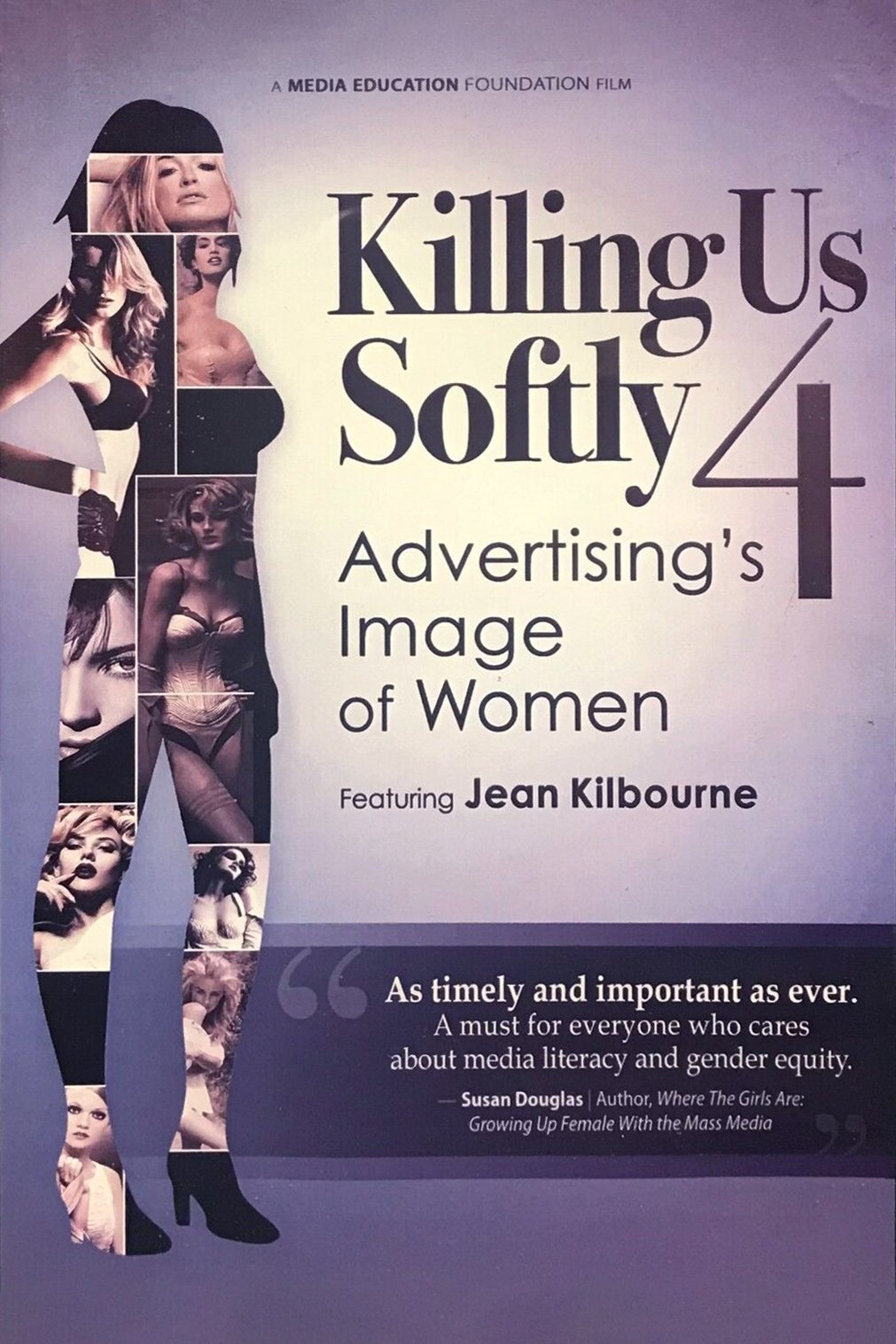
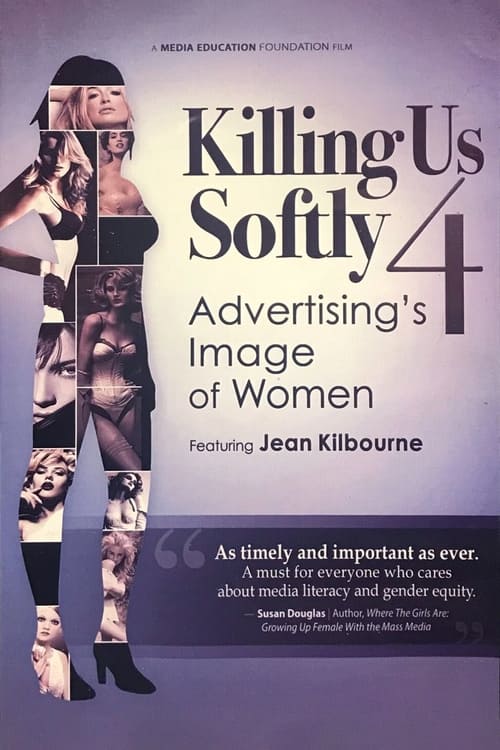
Killing Us Softly 4: Advertising's Image Of Women
Documentary
Overview
The documentary focuses on images of women in advertising, in particular on gender stereotypes, the effects of advertising on women's self-image and the objectification of women's bodies.
Top Cast



Jean Kilbourne
Jean Kilbourne
Self
Jean Kilbourne
Self
Similar Movies
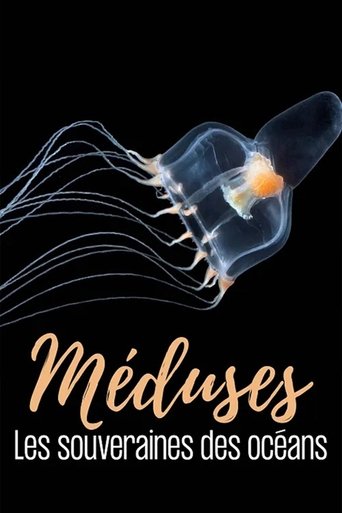
Jellyfish blooms are making headlines around the world. This is due to the damage they cause to tourism, fishing and our health. How can these creatures, which are over 98% water and have no shell, skeleton or brain, expand so rapidly? Although this is a normal stage in the life cycle of these gelatinous animals, we have to admit that blooms have become much more frequent and massive in recent decades. We're even witnessing jellyfish populations appearing in more and more regions where fish have been replaced by them, such as off the coast of Namibia, in the Black Sea, in the Sea of Japan and in certain areas of the Baltic Sea. What causes this? Why has the role of jellyfish in the ocean been underestimated, even though they outlived the dinosaurs? Are jellyfish on their way to dominating the oceans as they once did? What if they were to be the only ones left?
This moving documentary chronicles the last year in the life of Robert Eads, a trans man dying of ovarian cancer. We're introduced to several prominent figures in Robert's life -- most importantly, his life partner and caretaker Lola Cola, who is also trans. The two prepare to lead a panel at the annual Southern Comfort conference, a yearly event created for transgender individuals.
From the segregated American South to the fashion capitals of the world, operatic fashion editor André Leon Talley's life and career are on full display, in a poignant portrait that includes appearances by Anna Wintour, Marc Jacobs, Tom Ford, Bethann Hardison, Valentino, and Manolo Blahnik.
Director Dan Farah got 34 senior members of the U.S. Government, military, and intelligence community to come on camera. He says they reveal an 80 year cover-up of the existence of non-human intelligent life and a secret war amongst major nations to reverse engineer technology of non-human origin. The film explores the profound impact the situation has on the future of humanity, while providing a look behind-the-scenes with those at the forefront of the bi-partisan disclosure effort.
Over the last three decades, science has been advancing our understanding of stress: how it impacts our bodies and how our social standing can make us more or less susceptible. From baboon troops on the plains of Africa, to neuroscience labs at Stanford University, scientists are revealing just how lethal stress can be. Research tells us that the impact of stress can be found deep within us, shrinking our brains, adding fat to our bellies, even unraveling our chromosomes. Understanding how stress works can help us figure out ways to combat it and how to live a life free of the tyranny of this contemporary plague. In Stress: Portrait of a Killer, scientific discoveries in the field and in the lab prove that stress is not just a state of mind, but something measurable and dangerous.
100 pounds overweight, loaded up on steroids and suffering from a debilitating autoimmune disease, Joe Cross is at the end of his rope and the end of his hope. In the mirror he saw a 310lb man whose gut was bigger than a beach ball and a path laid out before him that wouldn't end well— with one foot already in the grave, the other wasn't far behind. FAT, SICK & NEARLY DEAD is an inspiring film that chronicles Joe's personal mission to regain his health.