

Machaho
Drama · Comedy
Overview
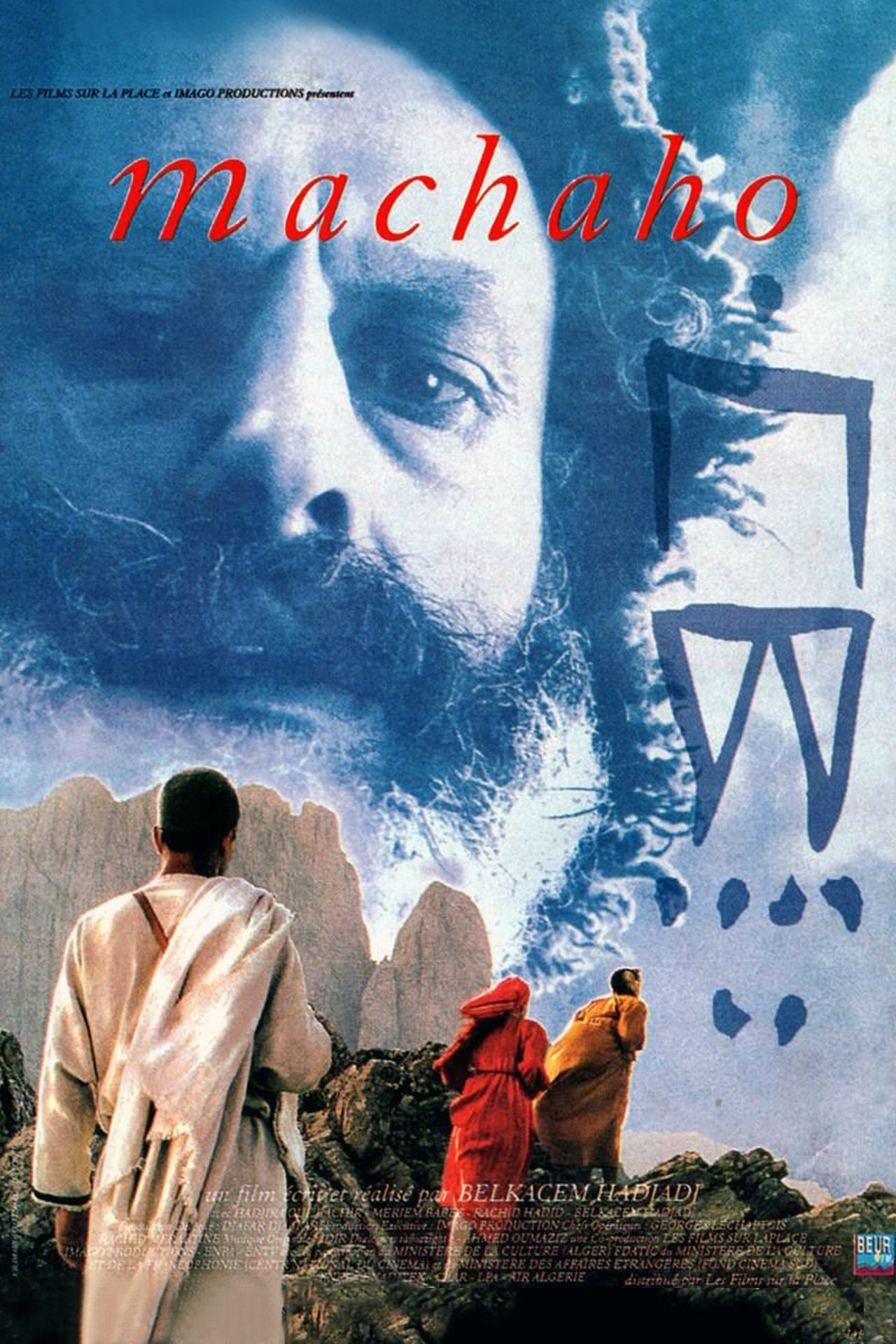
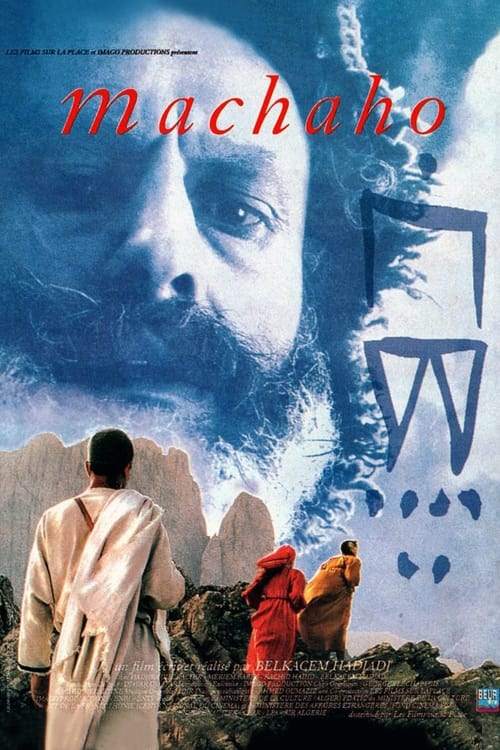
In Kabylie, rude mountain region in the north of Algeria. Arezki finds the young Larbi exhausted, buried under the snow. He takes him in and nurses him until he's recovered. The host seduces Arezki's daughter. She is pregnant. This is an unsupportable shame to the father of the female sinner. Arezki claims vengeance. He leaves his house and takes the oath not to come back before having killed Larbi who betrayed him under his own roof.




Said Amrane
Said Amrane
Rabah
Said Amrane
Rabah
Meriem Babes
Meriem Babes
Ferroudja
Meriem Babes
Ferroudja
Rachid Hadid
Rachid Hadid
Larbi
Rachid Hadid
Larbi

Belkacem Hadjadj
Belkacem Hadjadj
Arezki
Belkacem Hadjadj
Arezki
Hadjira Oul Bachir
Hadjira Oul Bachir
Tassadit
Hadjira Oul Bachir
Tassadit
Amal Zediri
Amal Zediri
Larbi's Niece
Amal Zediri
Larbi's Niece

Salem Ait Ali Belkacem
Salem Ait Ali Belkacem
Oussalas
Salem Ait Ali Belkacem
Oussalas
Similar Movies
A veteran sergeant of World War I leads a squad in World War II, always in the company of the survivor Pvt. Griff, the writer Pvt. Zab, the Sicilian Pvt. Vinci and Pvt. Johnson, in Vichy French Africa, Sicily, D-Day at Omaha Beach, Belgium and France, and ending in a concentration camp in Czechoslovakia where they face the true horror of war.
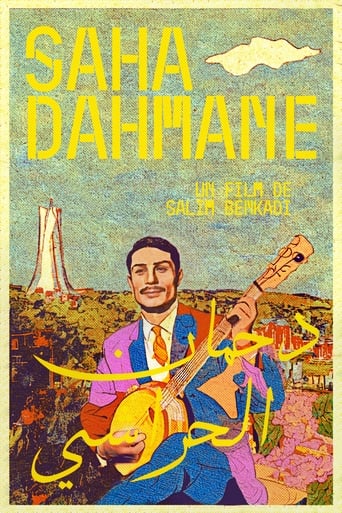
Film about Dahmane El Harrachi, musician, singer and composer of the famous song "Ya Rayah", a cult song covered by Rachid Taha, which will enjoy international success. Virtuoso of the banjo, the work of Dahmane El Harrachi did not initially respond to the canons of the purists of Algiers Chaâbi song. However, he will end up establishing himself alongside great masters of the genre, El Hadj M'hamed El Anka, Boudjemaâ El Ankis, El Hachemi Guerouabi, Amar Ezzahi... He plays his own role in this film shot with his musician friends, just before his tragic death in 1980 in a car accident on the Corniche of Algiers.
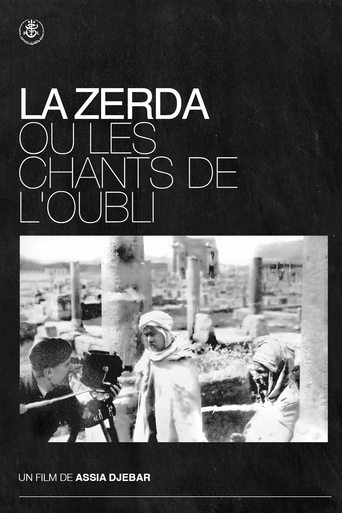
“La Zerda and the songs of oblivion” (1982) is one of only two films made by the Algerian novelist Assia Djebar, with “La Nouba des femmes du mont Chenoua” (1977). Powerful poetic essay based on archives, in which Assia Djebar – in collaboration with the poet Malek Alloula and the composer Ahmed Essyad – deconstructs the French colonial propaganda of the Pathé-Gaumont newsreels from 1912 to 1942, to reveal the signs of revolt among the subjugated North African population. Through the reassembly of these propaganda images, Djebar recovers the history of the Zerda ceremonies, suggesting that the power and mysticism of this tradition were obliterated and erased by the predatory voyeurism of the colonial gaze. This very gaze is thus subverted and a hidden tradition of resistance and struggle is revealed, against any exoticizing and orientalist temptation.
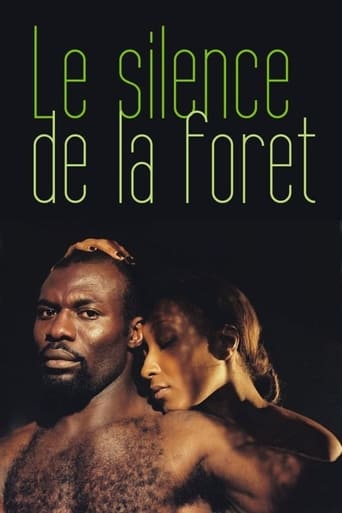
A film about the difficulty for even the most well-intentioned person to know and respect another culture. In this case, the problem is so acute that there is even heated debate over what to call that 'other.' The subtitles in the film use the familiar word 'pygmies,' a relatively pejorative European term; the Bantu or villagers' expression for the same group, Babingas, carries similar negative connotations. These highly specialized, tropical rainforest hunter-gatherers should perhaps be called by their own ethnonym, Aka, MoAka (sing.) and BaAka (pl.)

Beginning of the 20th century in the east of Sudan. Tajouj is the beautiful cousin of a young tribesman who falls in love with her and proclaims his love out loud in a song. However, the traditions of his tribe forbid such love, and his uncle refuses his request to marry Tajouj. But after the young man leaves the village and declares his remorse, the marriage is finally allowed after all. In the meantime, however, another man has expressed interest in Tajouj. A story full of jealousy ensues, which ends in tragedy.

Djamila, a young Algerian woman living with her brother Hadi and her uncle Mustafa in the Casbah district of Algiers under the French occupation of Algeria, sees the full extent of injustice, tyranny and cruelty on his compatriots by French soldiers. Jamila's nationalist spirit will be strengthened when French forces invade her university to arrest her classmate Amina who commits suicide by ingesting poison. Shortly after the prominent Algerian guerrilla leader Youssef takes refuge with her, she realizes that her uncle Mustafa is part of this network of anti-colonial rebel fighters. Her uncle linked her to the National Liberation Front (FLN). A series of events illustrate Jamila's participation in resistance operations against the occupier before she was finally captured and tortured. Finally, despite the efforts of her French lawyer, Jamila is sentenced to death...