

Baya's Mountain
Drama
Overview
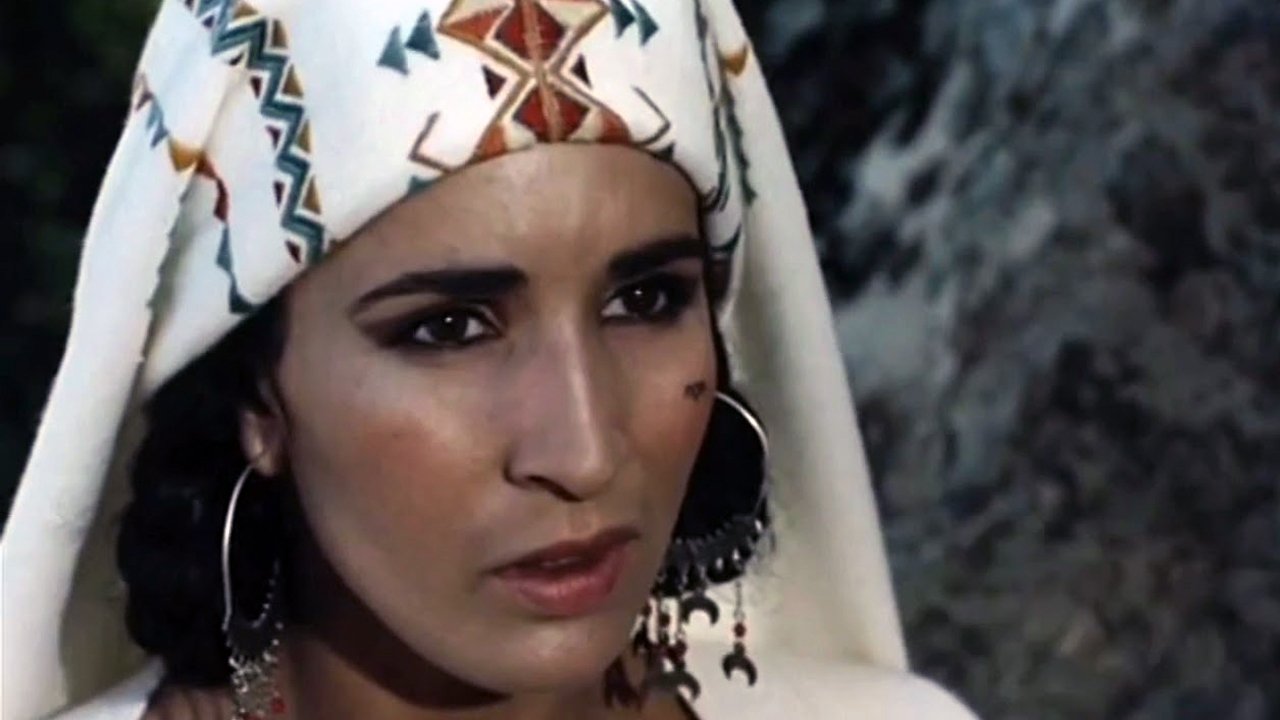
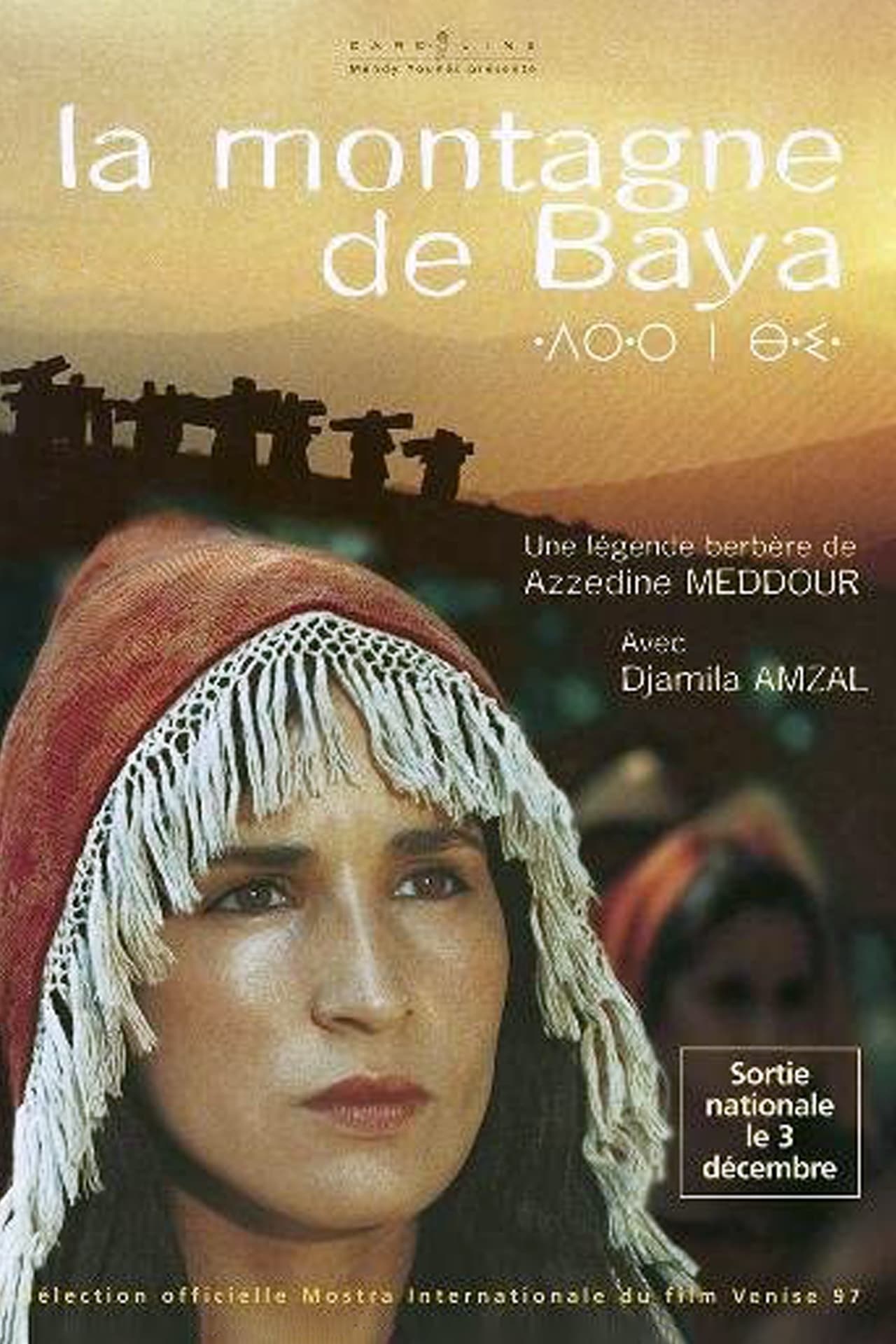
Set in the 1800s among the Berbers of North Africa, this 1997 Algerian feature concerns a noble widow who receives a customary purse of gold coins from the enemy tribe that murdered her husband; the gift puts her in conflict with her kinsmen, who want the money to buy back land taken by the enemy in cahoots with French colonials.








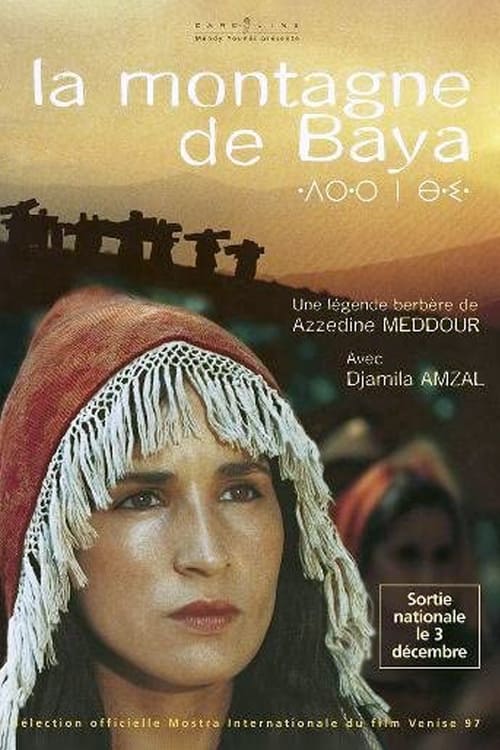

Djamila Amzal
Djamila Amzal
Baya
Djamila Amzal
Baya
Abderrhamane Debiane
Abderrhamane Debiane
Djendel
Abderrhamane Debiane
Djendel
Ali Ighil Ali
Ali Ighil Ali
Le vieux Belaïd
Ali Ighil Ali
Le vieux Belaïd
Ouardia Kessi
Ouardia Kessi
La vieille Aldja
Ouardia Kessi
La vieille Aldja
Kamal Abderrahmane
Kamal Abderrahmane
Saïd
Kamal Abderrahmane
Saïd
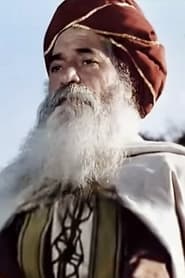
Youcef Meziani
Youcef Meziani
Le Bachagha
Youcef Meziani
Le Bachagha
Nora Ait Abdelmalek
Nora Ait Abdelmalek
Taos
Nora Ait Abdelmalek
Taos
Meziane Chabi
Meziane Chabi
Le petit Meziane
Meziane Chabi
Le petit Meziane
Fadil Hamla
Fadil Hamla
Le grand Meziane
Fadil Hamla
Le grand Meziane
Similar Movies
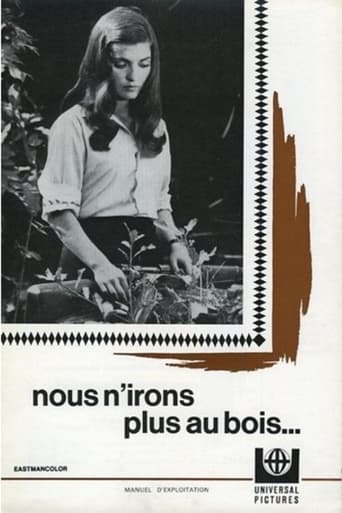
In the spring of 1944, in the Woëvre forest of Lorraine, a group of young maquisards takes in four German deserters. led by Saint-Brice is based in the Woevre forest. Lise, a nineteen-year-old girl, is their liaison officer. One evening, four German soldiers turn up as deserters. After a period of doubt, the maquisards agree to integrate them into their group. Lise falls in love with one of the newcomers, Werner, and becomes his mistress. One day, she leaves on a mission with Lucien, and comes across an enemy patrol. The SS shoot Lucien and free Lise. In the camp, people begin to think that the maquis has been betrayed.
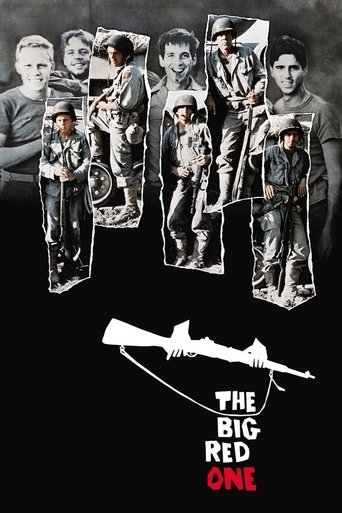
A veteran sergeant of World War I leads a squad in World War II, always in the company of the survivor Pvt. Griff, the writer Pvt. Zab, the Sicilian Pvt. Vinci and Pvt. Johnson, in Vichy French Africa, Sicily, D-Day at Omaha Beach, Belgium and France, and ending in a concentration camp in Czechoslovakia where they face the true horror of war.
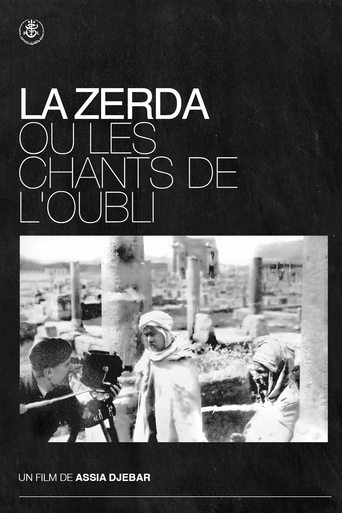
“La Zerda and the songs of oblivion” (1982) is one of only two films made by the Algerian novelist Assia Djebar, with “La Nouba des femmes du mont Chenoua” (1977). Powerful poetic essay based on archives, in which Assia Djebar – in collaboration with the poet Malek Alloula and the composer Ahmed Essyad – deconstructs the French colonial propaganda of the Pathé-Gaumont newsreels from 1912 to 1942, to reveal the signs of revolt among the subjugated North African population. Through the reassembly of these propaganda images, Djebar recovers the history of the Zerda ceremonies, suggesting that the power and mysticism of this tradition were obliterated and erased by the predatory voyeurism of the colonial gaze. This very gaze is thus subverted and a hidden tradition of resistance and struggle is revealed, against any exoticizing and orientalist temptation.
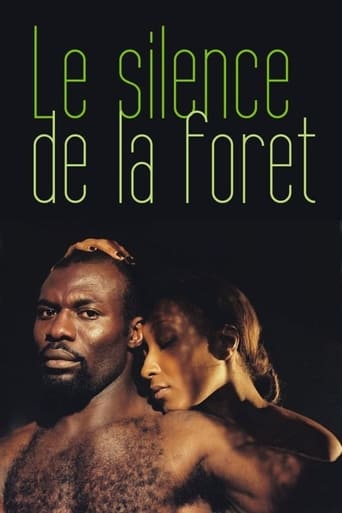
A film about the difficulty for even the most well-intentioned person to know and respect another culture. In this case, the problem is so acute that there is even heated debate over what to call that 'other.' The subtitles in the film use the familiar word 'pygmies,' a relatively pejorative European term; the Bantu or villagers' expression for the same group, Babingas, carries similar negative connotations. These highly specialized, tropical rainforest hunter-gatherers should perhaps be called by their own ethnonym, Aka, MoAka (sing.) and BaAka (pl.)

Beginning of the 20th century in the east of Sudan. Tajouj is the beautiful cousin of a young tribesman who falls in love with her and proclaims his love out loud in a song. However, the traditions of his tribe forbid such love, and his uncle refuses his request to marry Tajouj. But after the young man leaves the village and declares his remorse, the marriage is finally allowed after all. In the meantime, however, another man has expressed interest in Tajouj. A story full of jealousy ensues, which ends in tragedy.
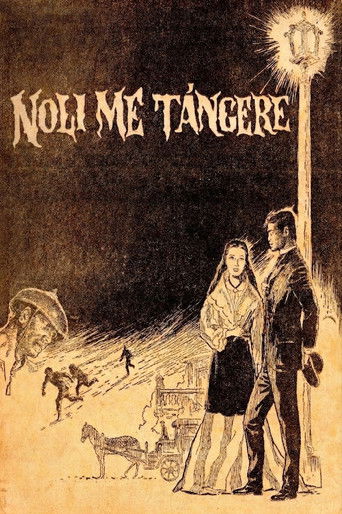
Based on the revolutionary novel by Jose Rizal, the story follows Crisostomo Ibarra, a young Filipino man who returned from his studies in Europe, who discovered that his father was falsely imprisoned and abused by the Spanish friars, including Padre Damaso. While he is making plans to uplift the lives of his fellow countrymen, he faced resistance from the Spanish colonial government.

Djamila, a young Algerian woman living with her brother Hadi and her uncle Mustafa in the Casbah district of Algiers under the French occupation of Algeria, sees the full extent of injustice, tyranny and cruelty on his compatriots by French soldiers. Jamila's nationalist spirit will be strengthened when French forces invade her university to arrest her classmate Amina who commits suicide by ingesting poison. Shortly after the prominent Algerian guerrilla leader Youssef takes refuge with her, she realizes that her uncle Mustafa is part of this network of anti-colonial rebel fighters. Her uncle linked her to the National Liberation Front (FLN). A series of events illustrate Jamila's participation in resistance operations against the occupier before she was finally captured and tortured. Finally, despite the efforts of her French lawyer, Jamila is sentenced to death...