

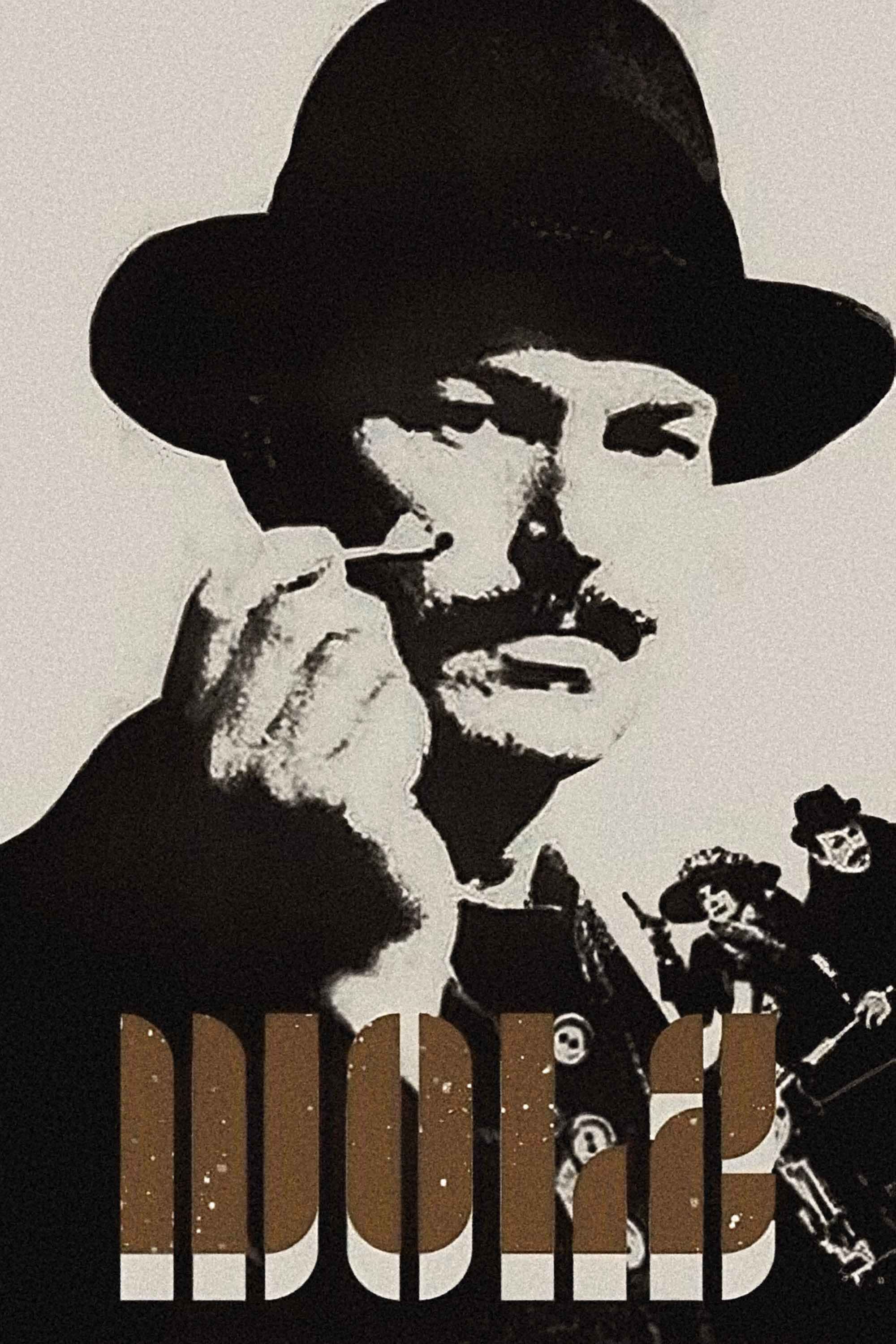
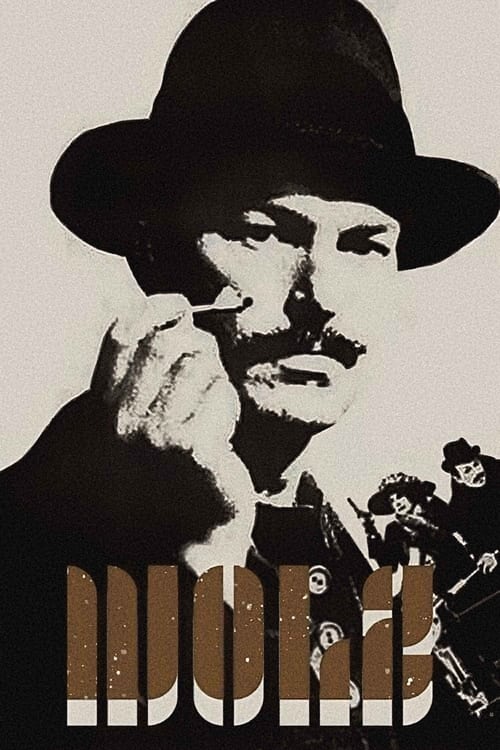
Wolz – Life and Transfiguration of a German Anarchist
Drama
Overview
Soldier Ignaz Wolz returns from WWI with an immeasurable hatred of capitalist war profiteers. He decides to start his own revolution, but tries to stay away from the organized class struggle. He steals from the rich men and divides the wealth among the poor. One day, Wolz is arrested and sentenced to life in prison; seven years later he is released due to mass protests. More than ever, it is hard for him to fit in. He severs ties with his former companions, who reject his ideas, and leaves Germany.

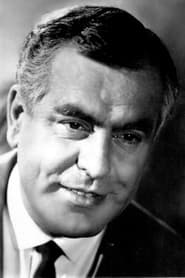







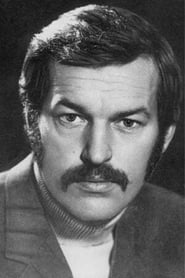
Regimantas Adomaitis
Regimantas Adomaitis
Ignaz Wolz
Regimantas Adomaitis
Ignaz Wolz
Carin Abicht
Carin Abicht
Prostituierte
Carin Abicht
Prostituierte

Heidemarie Wenzel
Heidemarie Wenzel
Agnes
Heidemarie Wenzel
Agnes

Jörg Panknin
Jörg Panknin
Morgner
Jörg Panknin
Morgner
Peter Hölzel
Peter Hölzel
Kassierer
Peter Hölzel
Kassierer
Rainer Kleinstück
Rainer Kleinstück
Rudi
Rainer Kleinstück
Rudi

Günter Wolf
Günter Wolf
Arthur
Günter Wolf
Arthur
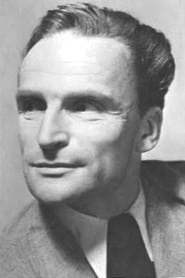
Herwart Grosse
Herwart Grosse
Gustav
Herwart Grosse
Gustav

Václav Kotva
Václav Kotva
Geiger
Václav Kotva
Geiger
Günter Drescher
Günter Drescher
der Ältere
Günter Drescher
der Ältere
Similar Movies
The movie is inspired by the true life story of Bulgarian paralympic ‘Long jump’ triple world champion Mihail Hristov. The film follows Mihail from the moment he loses both his arms in an electric current incident and makes the life-changing decision of becoming a professional athlete as he goes through the catharsis of deciding to start a new life without arms. He goes through a number of difficulties, both on the sports field and in his personal relationships with his parents, his coach, the girl he falls in love with but most of all, the difficulty of accepting what has happened to him. The script traces Mihail's difficult fate from the accident that left him without arms to becoming a triple long jump world champion, inventor of a new type of prosthetics and a motivational speaker.
Based on Zhu Dao-Nan's memoir "In the Flood of the Great Revolution", the film reproduces the historical picture of the changing circumstances of China before and after the Great Revolution through the pursuit, struggle and differentiation of young intellectuals such as Jin Gong-Shou, Gu Da-Ming, and Yang Ru-Kuan in the revolutionary tide.
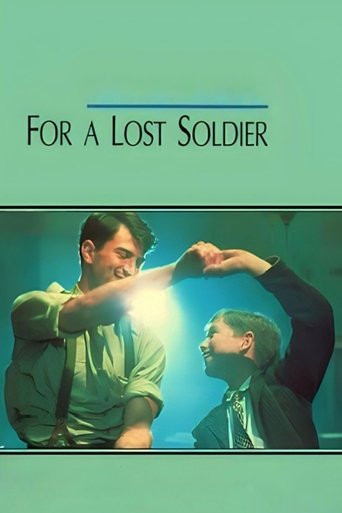
In the occupied Netherlands near the end of WWII, a young teenager, Jeroen Boman (Maarten Smit) is sent to the Dutch countryside to avoid the war in Amsterdam. While living with his adopted family, Jeroen meets and becomes friends with a Canadian soldier named Walt Cook, who is stationed at the same town he is staying at. Joroen and Walt spend a lot of time playing around and eventually a romantic relationship develops between them. The boy’s sexual curiosity leads him to have a sexual experience with Walt, an encounter that is shown with some vague detail but without actually showing any nudity, even though sexual intimacy between the two of them is implied. Overall, the movie handles this difficult subject with an elegant style and feeling, without having the adult-child relationship overwhelm the viewer and thus allowing the movie to be seen as just a wartime relationship between two people that marks an important time in a young boy’s life.
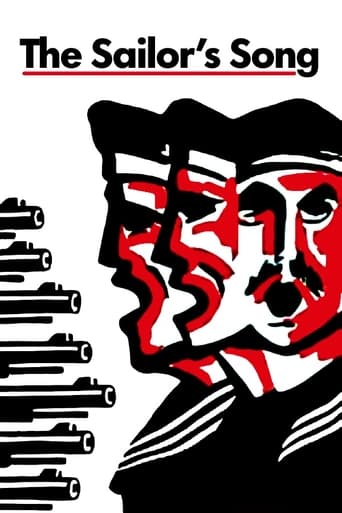
A film about the historical uprising of the seamen in Kiel: During the Russian October Revolution of 1917, German and Russian soldiers start to solidarize with each other. By disarming the officers, machinist Henne Lonke and stoker Jens Kasten prevent the attack on a Russian freighter. When German admiralty gives out orders for operation "Nibelungen", which would lead the German fleet into a suicidal attack against England and quell the revolutionary spirit, seamen and soldiers from different political backgrounds unite in protest.
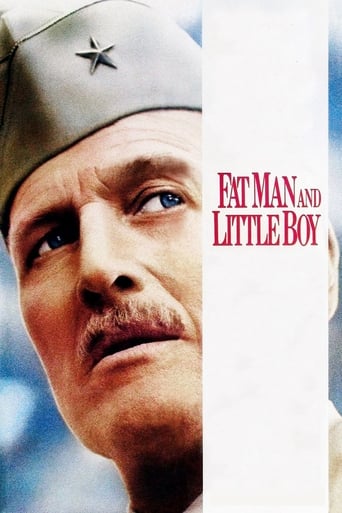
Assigned to oversee the development of the atomic bomb, Gen. Leslie Groves is a stern military man determined to have the project go according to plan. He selects J. Robert Oppenheimer as the key scientist on the top-secret operation, but the two men clash fiercely on a number of issues. Despite their frequent conflicts, Groves and Oppenheimer ultimately push ahead with two bomb designs — the bigger "Fat Man" and the more streamlined "Little Boy."