

The Broken Altar
Documentary
Overview
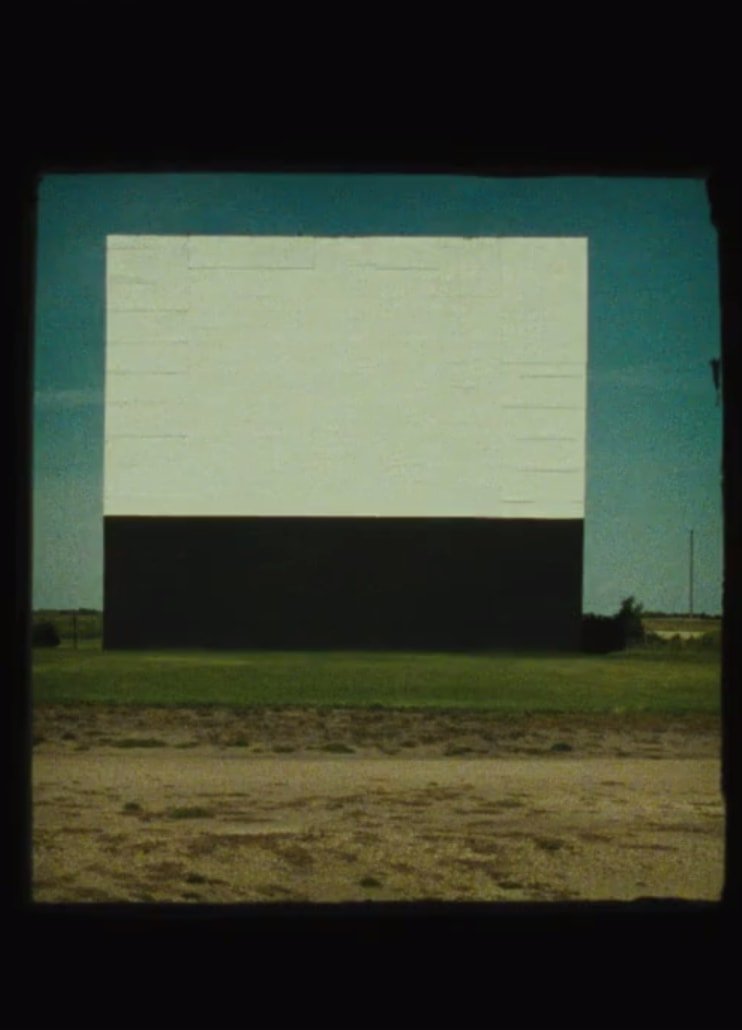
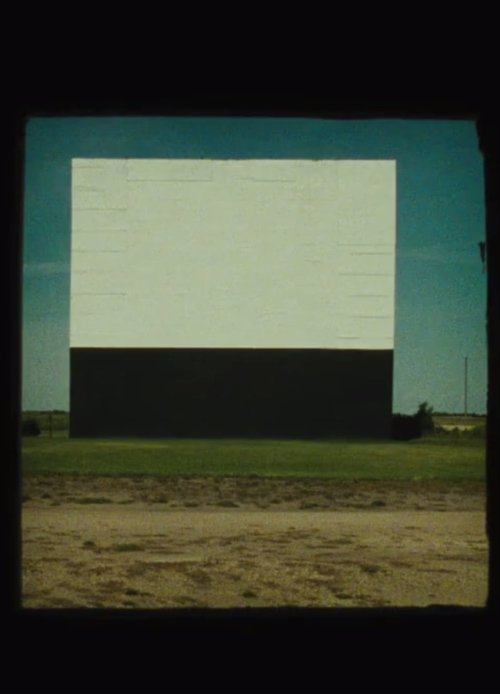
[19:30 | 35mm (1.85) | Stereo Sound | 2013] The Broken Altar is a portrait of open-air theaters documented under the strange light of day, emptied of the once present hum of human voices, radioed-in soundtracks and tires on gravel. Scripting the landscape and exploring the residue of a cinematic history, The Broken Altar forms a sculptural treatment of the architectural artifacts of these abandoned and barren spaces: speaker boxes rise from tall grass like grave markers and the screens themselves are monumental, sepulchral in their peeling whiteness.


No cast information.
Similar Movies
A nostalgic, informative history of drive-in movie theaters, featuring extensive archival photographs and interviews with Leonard Maltin, John Bloom, Samuel Z. Arkoff, Barry Corbin and many others... Drive-In Movie Memories is a film celebration of America's greatest icon of youth, freedom and the automobile. What began as an auto parts owner's business venture to make some easy money accidentally became a magical place where romance, fun and a sense of community flourished. This film chronicles the drive-in's birth and development, its phenomenal popularity with audiences of all ages, its tragic decline, and its inevitable comeback as a classic form of Americana.
A video documentary/road trip that celebrates the drive-in movie theater's impact on the United States, and pays homage to the people who keep the few remaining ones fully operational. Features interviews with horror movie maker John Carpenter, movie critic John I. Bloom (aka "Joe Bob Briggs"), Michael Wallis, author of "Route 66: The Mother Road," and others.
A short experimental documentary is filmed at the last drive-in movie theater in Los Angeles, located in a desolate area called the City of Industry. Floating within a backdrop of smokestacks, beacon towers and passing trains, dislocated Hollywood images filled with apocalyptic angst are re-framed and reflected through car windows and mirrors as the displacement of the radio broadcast soundtrack collides with the projections upon and surrounding the multiple screens. In VINELAND, the nocturnal landscape is seen as a border zone aglow with dreamlike illusions revealing overlapping realities at the intersection of nostalgia and alienation.
A darkly beautiful visual essay that explores human emotion in response to societal standards. With a lone cello providing the soundtrack, this collage of archival footage from 1950’s-era films is a superb example of manipulation via sound and image (Dorothy Woodend, DOXA Documentary Film Festival)