


Drama
Overview
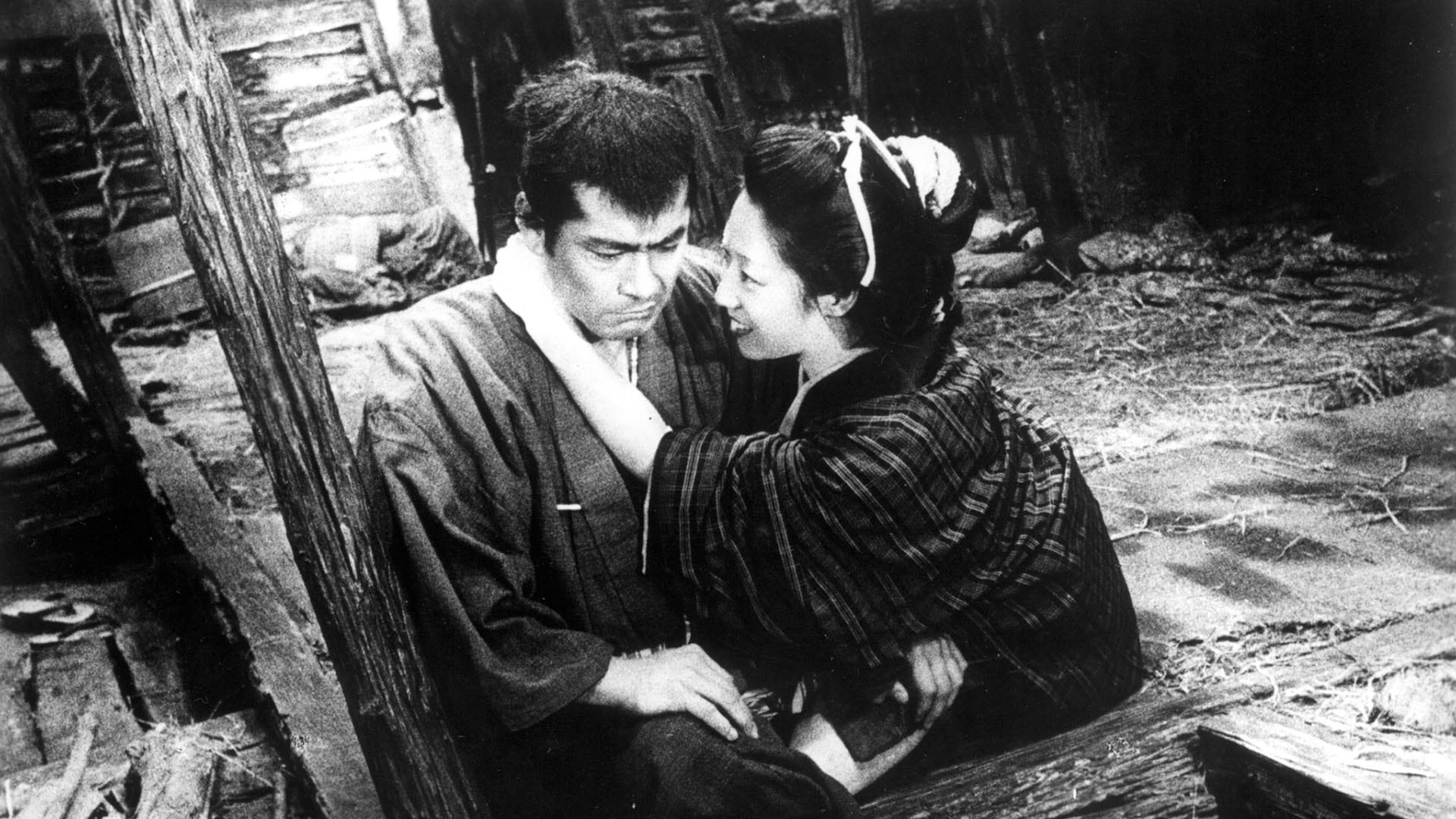
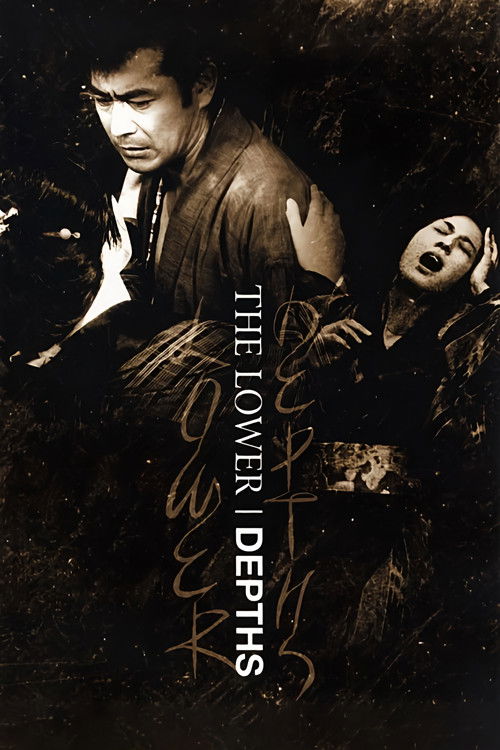
Residents of a rundown boardinghouse in 19th-century Japan, including a mysterious old man and an aging actor, get drawn into a love triangle that turns violent. When amoral thief Sutekichi breaks off his affair with landlady Osugi to romance her younger sister, Okayo, Osugi extracts her revenge by revealing her infidelity to her jealous husband.
Top Cast
Toshirō Mifune
Sutekichi the Thief

Isuzu Yamada
Osugi the Landlady

Kyōko Kagawa
Okayo, Osugi's Sister
Ganjirō Nakamura II
Rokubei, Osugi's Husband
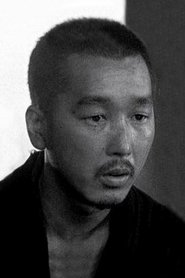
Minoru Chiaki
Former Samurai
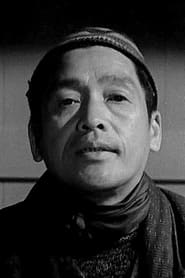
Kamatari Fujiwara
The Actor

Akemi Negishi
Osen the Prostitute
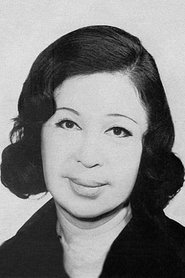
Nijiko Kiyokawa
Otaki the Candy-Seller
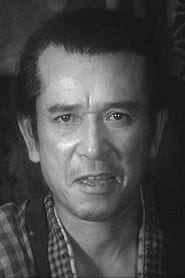
Kōji Mitsui
Yoshisaburo the Gambler
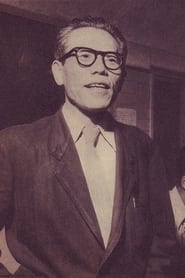
Eijirō Tōno
Tomekichi the Tinker

Haruo Tanaka
Tatsu
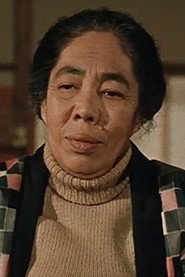
Eiko Miyoshi
Asa, Tomekichi's Wife














Toshirō Mifune
Toshirō Mifune
Sutekichi the Thief
Toshirō Mifune
Sutekichi the Thief
Isuzu Yamada
Isuzu Yamada
Osugi the Landlady
Isuzu Yamada
Osugi the Landlady
Kyōko Kagawa
Kyōko Kagawa
Okayo, Osugi's Sister
Kyōko Kagawa
Okayo, Osugi's Sister
Ganjirō Nakamura II
Ganjirō Nakamura II
Rokubei, Osugi's Husband
Ganjirō Nakamura II
Rokubei, Osugi's Husband
Minoru Chiaki
Minoru Chiaki
Former Samurai
Minoru Chiaki
Former Samurai
Kamatari Fujiwara
Kamatari Fujiwara
The Actor
Kamatari Fujiwara
The Actor
Akemi Negishi
Akemi Negishi
Osen the Prostitute
Akemi Negishi
Osen the Prostitute
Nijiko Kiyokawa
Nijiko Kiyokawa
Otaki the Candy-Seller
Nijiko Kiyokawa
Otaki the Candy-Seller
Kōji Mitsui
Kōji Mitsui
Yoshisaburo the Gambler
Kōji Mitsui
Yoshisaburo the Gambler
Eijirō Tōno
Eijirō Tōno
Tomekichi the Tinker
Eijirō Tōno
Tomekichi the Tinker
Similar Movies
Befriended by aristocrat Sebastian Flyte, Oxford student Charles Ryder finds that the power and privilege experienced by the family is seductive. On a visit to the ancestral home, Brideshead, he falls in love with his friend's sister, Julia. However, as his ties to the Flytes deepen, Ryder finds himself at odds with their strong Roman Catholicism.
In May 1828, a feral boy aged around 16 was found in Nuremberg. Kaspar Hauser, as he is called, can only speak a few indistinct words and knows nothing about his origins or family. The film depicts the - presumed - circumstances under which Hauser was held captive in complete isolation in a hiding place from infancy onwards. From this emerges the picture of an intrigue involving high circles of aristocratic society. Five years after his liberation, in December 1833, Kaspar Hauser died as a result of a stab wound inflicted by an unknown perpetrator.
Although based on a novel by Georges Simenon, director (and songwriter) Serge Gainsbourg has superimposed several dark emotions and a subtle brutality over the weak plot about a man's trip to Africa and his unfortunate passion for a murderess whose amorality sends the disillusioned fellow back to Europe. Sometimes described as frustrating and self-centered, reactions to this film swing across a broad spectrum of complaints -- not the least might be whether or not Gainsbourg is using a clichéd and stereotypical view of "dark Africa" to convey what he sees in his characters.
Sayaka, a high school student, kills herself but the reason behind her suicide is unknown. She appeared to have led a normal life with her family. Her mother Rumiko seemed to have raised Sayaka with love and care. In reality, that does not seem to be the case. When the mother and daughter recall the same incidents that took place in the past, they tell very different stories.
Seibei Iguchi leads a difficult life as a low ranking samurai at the turn of the nineteenth century. A widower with a meager income, Seibei struggles to take care of his two daughters and senile mother. New prospects seem to open up when the beautiful Tomoe, a childhood friend, comes back into he and his daughters' life, but as the Japanese feudal system unravels, Seibei is still bound by the code of honor of the samurai and by his own sense of social precedence. How can he find a way to do what is best for those he loves?
In August of 1949, Life Magazine ran a banner headline that begged the question: "Jackson Pollock: Is he the greatest living painter in the United States?" The film is a look back into the life of an extraordinary man, a man who has fittingly been called "an artist dedicated to concealment, a celebrity who nobody knew." As he struggled with self-doubt, engaging in a lonely tug-of-war between needing to express himself and wanting to shut the world out, Pollock began a downward spiral.
Marie-Jo is a middleaged woman living an ordinary life in Marseilles with her husband, Daniel and her daughter, Julie. Daniel runs a small construction business in which Marie-Jo helps. She also works at the local hospital. Outwardly their marriage is loving. But Marie-Jo has been in love with another man for more than twelve months.Marco works as a harbour pilot and is deeply in love with Marie-Jo. Learning that loving two men is impossible, Marie-Jo is forced to make a choice.