

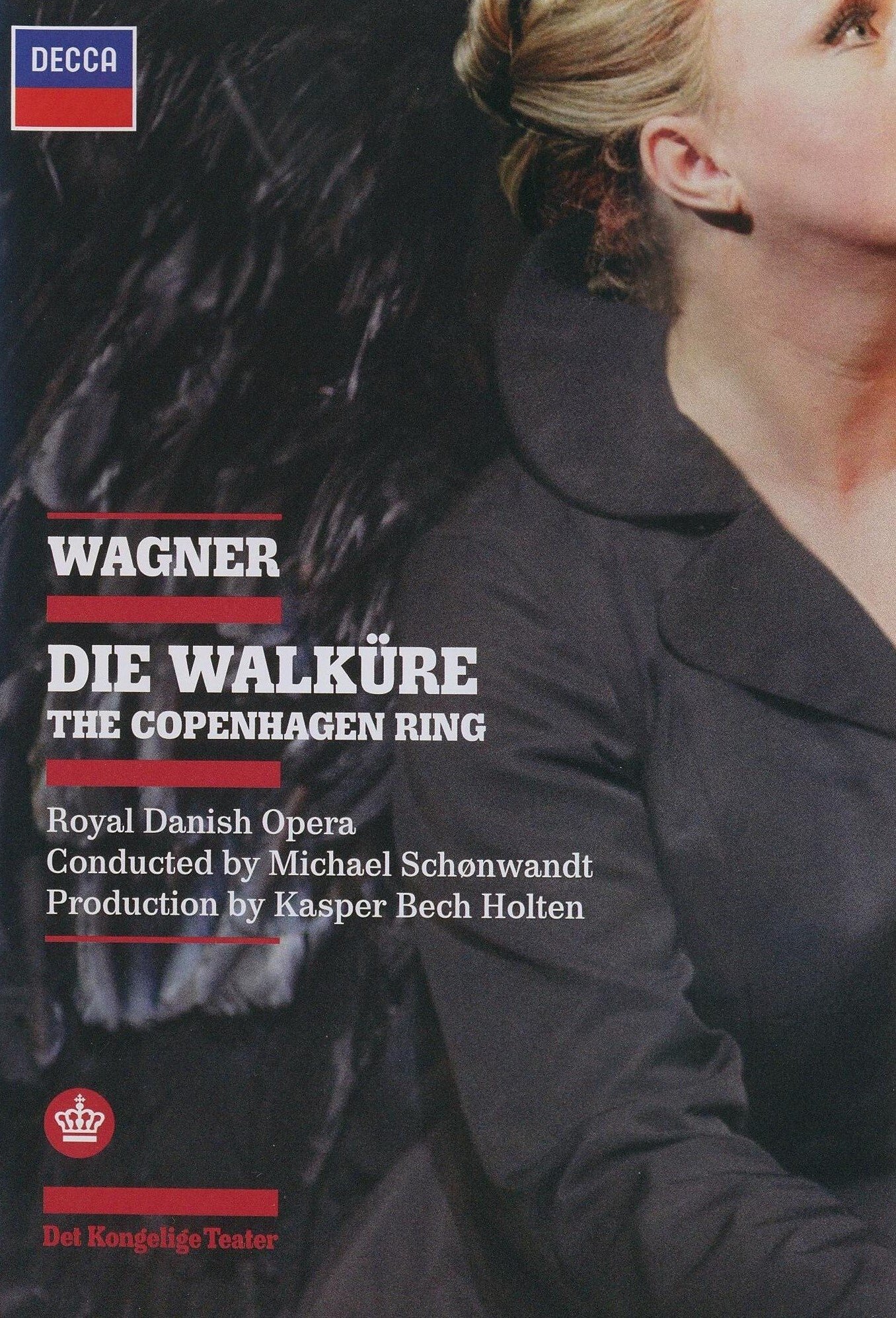
Die Walküre
Music
Overview
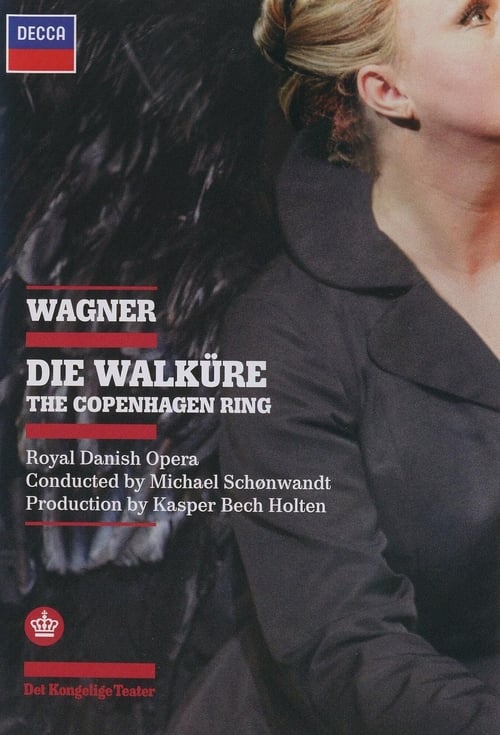
Die Walküre (The Valkyrie), WWV 86B, is an opera in three acts by Richard Wagner with a German libretto by the composer. It is the second of the four operas that form Wagner's cycle Der Ring des Nibelungen (The Ring of the Nibelung). The story of the opera is based on the Norse mythology told in the Volsunga Saga and the Poetic Edda.[1][2] In Norse mythology, a valkyrie is one in a group of female figures who decide which soldiers die in battle and which live. Die Walküre's best-known excerpt is the "Ride of the Valkyries". DVD release June 2009.

Stig Fogh Andersen
Stig Fogh Andersen
Siegmund
Stig Fogh Andersen
Siegmund
Gitta-Maria Sjöberg
Gitta-Maria Sjöberg
Sieglinde
Gitta-Maria Sjöberg
Sieglinde
James Johnson
James Johnson
Wotan
James Johnson
Wotan
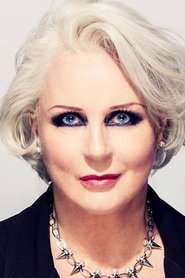
Iréne Theorin
Iréne Theorin
Brünnhilde
Iréne Theorin
Brünnhilde
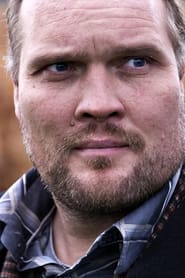
Stephen Milling
Stephen Milling
Hunding
Stephen Milling
Hunding
Randi Stene
Randi Stene
Fricka
Randi Stene
Fricka
Similar Movies
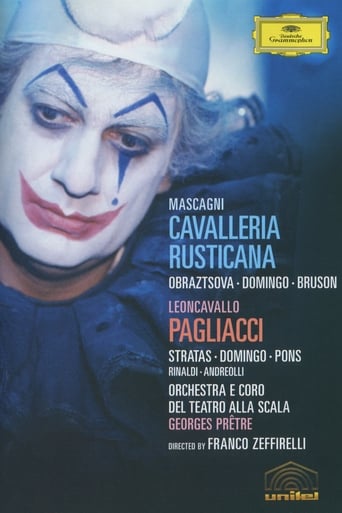
Franco Zeffirelli directs these two legendary La Scala productions telling tragic tales of jealousy. Mascagni's Cavalleria Rusticana features performances by Elena Obraztsova, Plácido Domingo, and Renato Bruson. Leoncavallo's I Pagliacci stars Teresa Stratas, Plácido Domingo, and Juan Pons. Both are conducted by George Pretre. This production of Pagliacci earned director Franco Zeffirelli the coveted Emmy as Best Director in the category of Classical Music Programming.
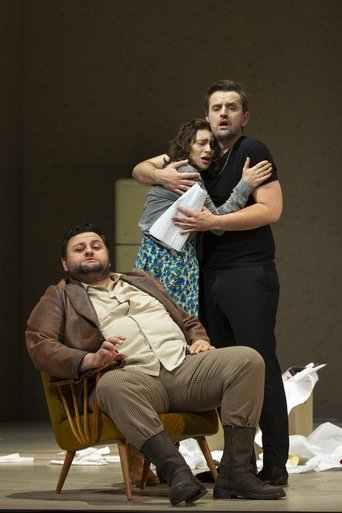
Three colours, three moods, three registers. And yet Puccini conceived this triptych as a whole from the outset. He interweaves these three one-act operas, from Il tabarro, a drama of passion set on the quays of the Seine in the early 20th century, to Gianni Schicchi, a burlesque farce set in medieval Florence, and Suor Angelica, a mystical tragedy set in a 17th-century convent.
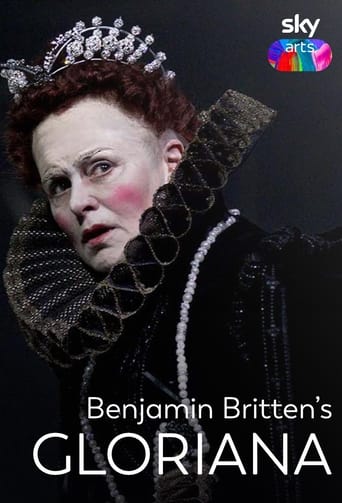
Performed at Madrid's historic Teatro Real in 2018, Ivor Bolton conducts Benjamin Britten's opera based on Lytton Strachey's 1928 Elizabeth and Essex: A Tragic History. In her repeated clashes with the Earl of Essex-a longtime favorite of the queen who was ultimately put to death for treason-Elizabeth I is depicted as flawed and vain, human and sympathetic.
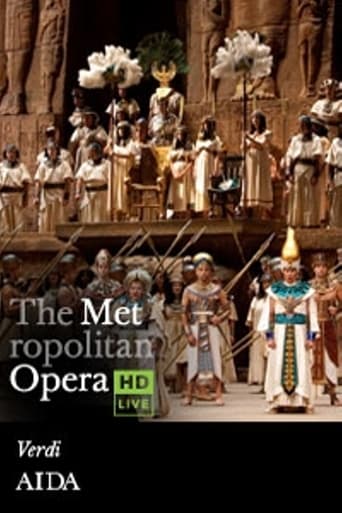
The Met’s spectacular production of Verdi’s Egyptian epic captures both the grandeur and the intimacy of this powerful tale of love and politics. Liudmyla Monastyrska is Aida, the Ethiopian princess-turned-slave in love with the Egyptian warrior Radamès, sung by Roberto Alagna. Olga Borodina is her rival, Amneris, daughter of the Pharao, and George Gagnidze sings Aida’s father, Amonasro, the King of Ethiopia. Principal Conductor Fabio Luisi is on the podium.
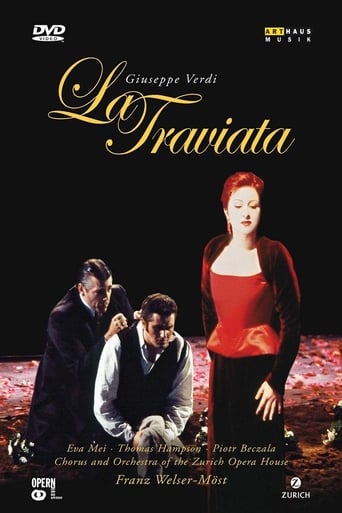
This DVD of a live 2005 performance from the Zürich Opera under the musical direction of Franz Welser-Möst has many things to recommend it -- the young tenor Piotr Beczala as Alfredo, the marvelous Thomas Hampson as Giorgio Germont, the playing of the Zurich Opera orchestra, the simple but effective sets by by Erich Wonder, the uncluttered stage direction by Jürgen Flimm. It also has some flaws: strangely variable volume level of the recorded sound sometimes coming on so loud as to make one reach for the volume control, and the uneven performance of the Violetta, Eva Mei who, for all her merits, gives a dramatically effective performance marred by occasional difficulties with vocal production. Still, overall I felt this was a moving production, one that I would recommend, although perhaps not as an only DVD of one of Verdi's most popular operas.
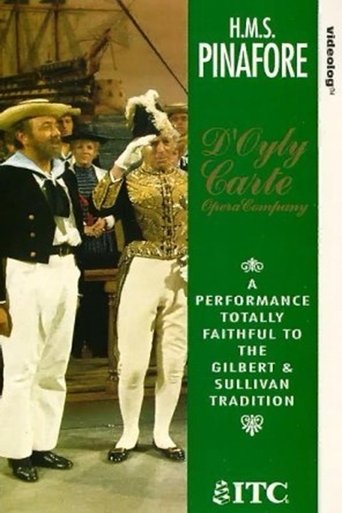
Captain's daughter Josephine and common sailor Ralph Rackstraw are in love. However, their relationship is complicated by her arranged marriage to the high-ranking Sir Joseph Porter. A secret about the characters' true identities revealed by Little Buttercup, which leads to a farcical resolution. Performed by the D'Oyly Carte Company for Opera Australia.
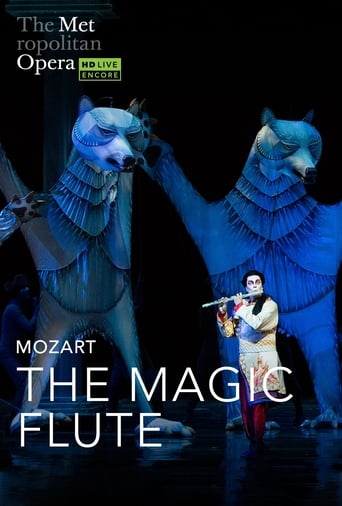
Julie Taymor’s kaleidoscopic production returns to select cinemas this holiday season in an encore presentation of the company’s first-ever Live in HD transmission that includes tenor Matthew Polenzani, baritone Nathan Gunn, and bass René Pape in this abridged, English-language version of Mozart’s classic fable.
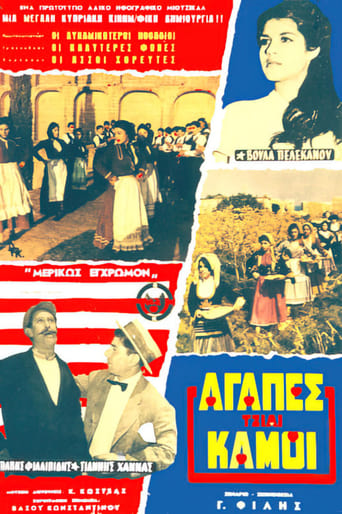
This first film of Cyprus' first director, Giorgios Filis, depicts music and dance customs in the form and style of a folk opera, with traditional Cypriot dances and songs. The film consists of a folkloric inventory based on the folk culture of Cyprus, as well as on similar ritual happenings. The narration and dialogue are entirely in the Cypriot dialect and are characterized by a rhetorical and poetic mood.