

Brush with Life: The Art of Being Edward Biberman
Documentary · History
Overview
This documentary brings alive a remarkable artist’s passionate journey through a turbulent century. Both epic and surprisingly intimate, the film presents a classic American immigrant saga, an inspiring search for artistic independence, and a great romance. Along the way, Biberman's growing commitment to social justice and struggle against McCarthy-era repression (his brother, director Herbert Biberman, went to prison as one of The Hollywood Ten) combine with his efforts to create both a loving family life and a groundbreaking body of work. With its grand scope, rich personalities, and vast array of breathtaking artwork, Brush With Life connects us in a deeply personal way to a brilliant artist who lived by the same high standards he set for his paintings.






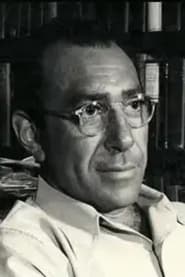
Herbert J. Biberman
Herbert J. Biberman
Self
Herbert J. Biberman
Self
Edward Biberman
Edward Biberman
Self
Edward Biberman
Self
Similar Movies
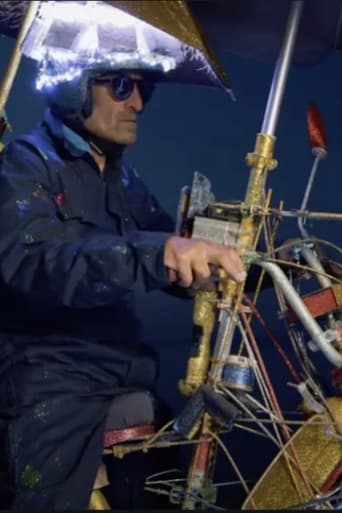
On the outskirts of Augusta lives Orazio: a mechanic by vocation. Due to countless misadventures he cannot open a workshop. To give vent to his anger, he transforms mopeds and scooters into “glittered motorized umbrellas.” Glitter helmets and hyper-colored decorations dress him up; thus begins his passion for “light” understood as a superior force.
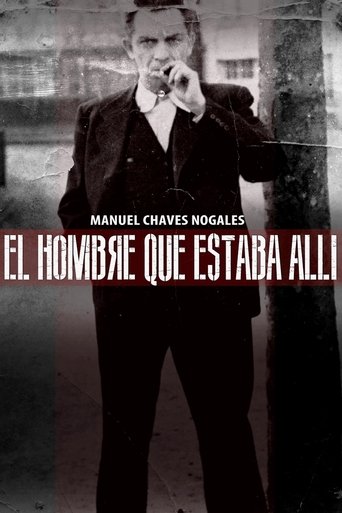
The Spanish journalist Manuel Chaves Nogales (1897-1944) was always there where the news broke out: in the fratricidal Spain of 1936, in Bolshevik Russia, in Fascist Italy, in Nazi Germany, in occupied Paris or in the bombed London of World War II; because his job was to walk, see and tell stories, and thus fight against tyrants, at a time when it was necessary to take sides in order not to be left alone; but he, a man of integrity to the bitter end, never did so.
Assigned to oversee the development of the atomic bomb, Gen. Leslie Groves is a stern military man determined to have the project go according to plan. He selects J. Robert Oppenheimer as the key scientist on the top-secret operation, but the two men clash fiercely on a number of issues. Despite their frequent conflicts, Groves and Oppenheimer ultimately push ahead with two bomb designs — the bigger "Fat Man" and the more streamlined "Little Boy."
Franz Schubert toils by day as his father’s clerk while secretly composing in Beethoven’s shadow, gaining little recognition until friends persuade publisher Diabelli to host a public performance where he meets and falls for soprano Therese Grob. Abandoning a teaching career, he moves in with artist and poet friends, finds inspiration for the “Erlkönig,” and together with Therese sustains himself by performing his songs.