

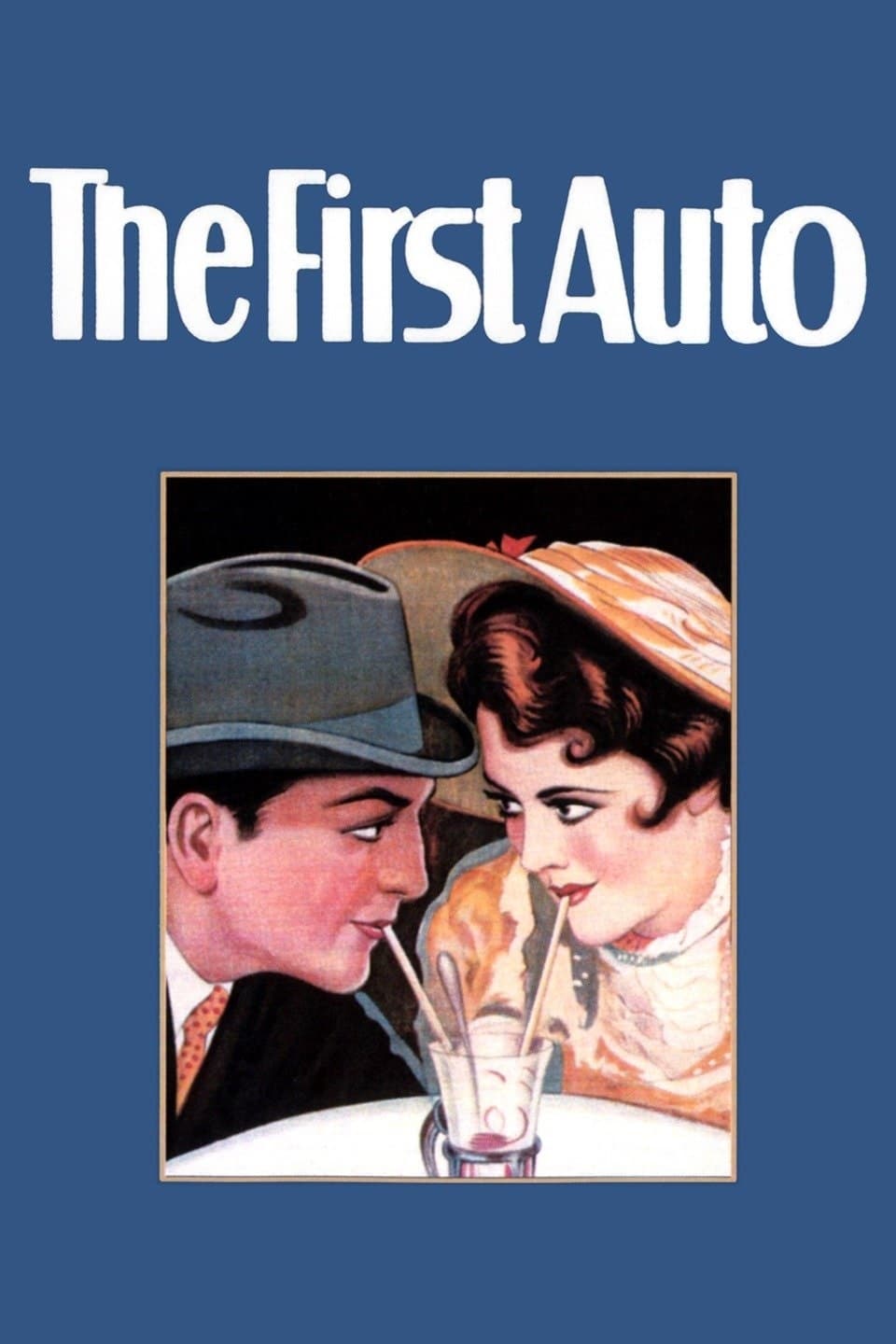
The First Auto
Comedy
Overview
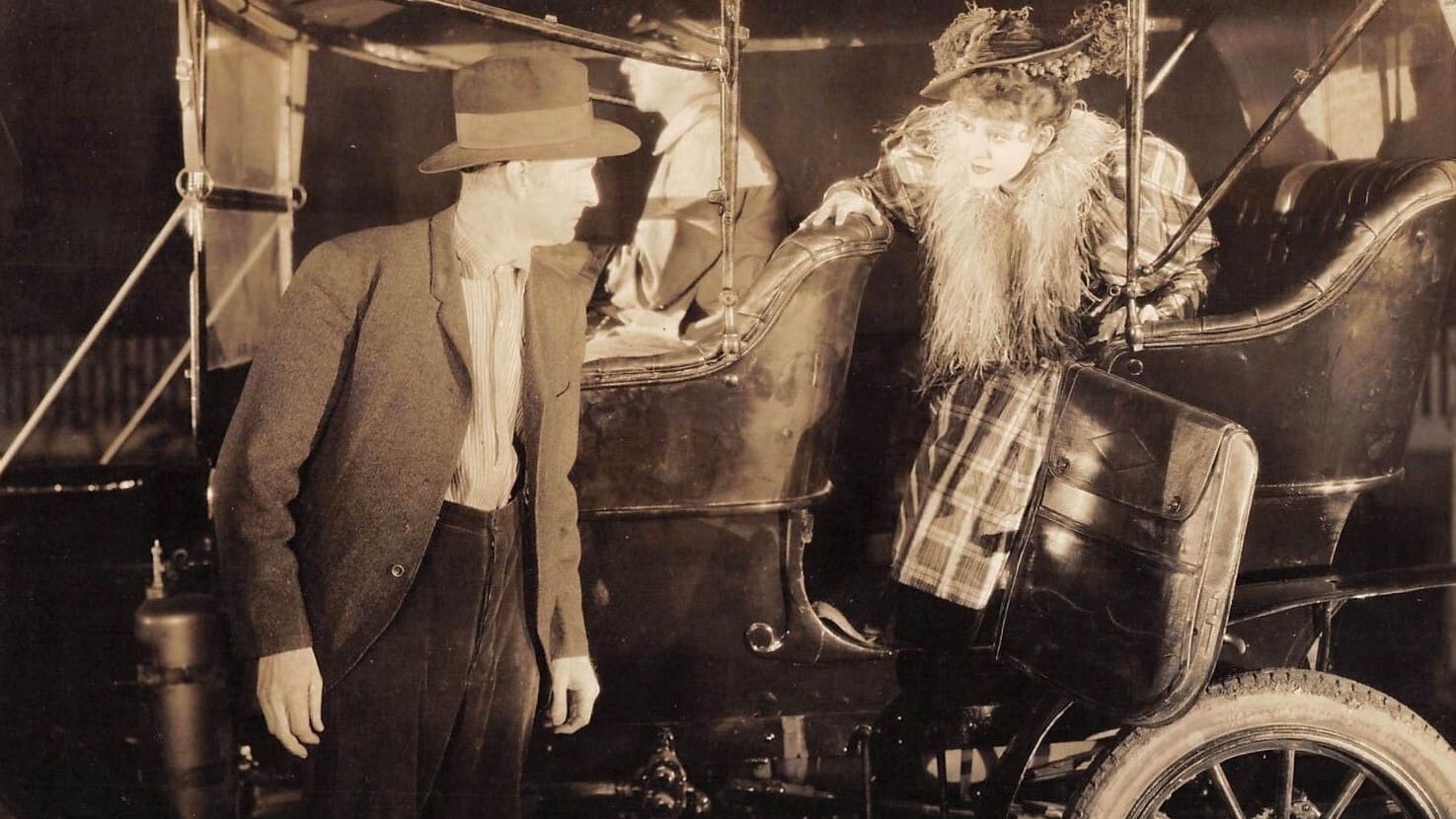
The transition from horses to automobiles at the turn of the century causes problems between a father and son.
Top Cast
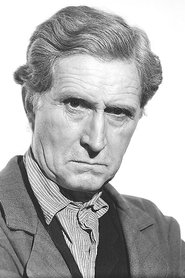
Russell Simpson
Hank Armstrong
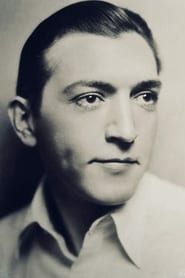
Charles Emmett Mack
Bob Armstrong
Barney Oldfield
The Master Driver

Patsy Ruth Miller
Rose Robbins
Frank Campeau
Mayor Jim Robbins

Gibson Gowland
The Blacksmith
Anders Randolf
The Auctioneer

William Demarest
The Village Cut-Up
Paul Kruger
Steve
Douglas Gerrard
Squire Stebbins
Frank Austin
Jor Saunders
Joe Bordeaux
Livery Handler at Auction




Russell Simpson
Russell Simpson
Hank Armstrong
Russell Simpson
Hank Armstrong
Charles Emmett Mack
Charles Emmett Mack
Bob Armstrong
Charles Emmett Mack
Bob Armstrong
Barney Oldfield
Barney Oldfield
The Master Driver
Barney Oldfield
The Master Driver
Patsy Ruth Miller
Patsy Ruth Miller
Rose Robbins
Patsy Ruth Miller
Rose Robbins
Frank Campeau
Frank Campeau
Mayor Jim Robbins
Frank Campeau
Mayor Jim Robbins
Gibson Gowland
Gibson Gowland
The Blacksmith
Gibson Gowland
The Blacksmith
Anders Randolf
Anders Randolf
The Auctioneer
Anders Randolf
The Auctioneer
William Demarest
William Demarest
The Village Cut-Up
William Demarest
The Village Cut-Up
Paul Kruger
Paul Kruger
Steve
Paul Kruger
Steve
Douglas Gerrard
Douglas Gerrard
Squire Stebbins
Douglas Gerrard
Squire Stebbins
Similar Movies
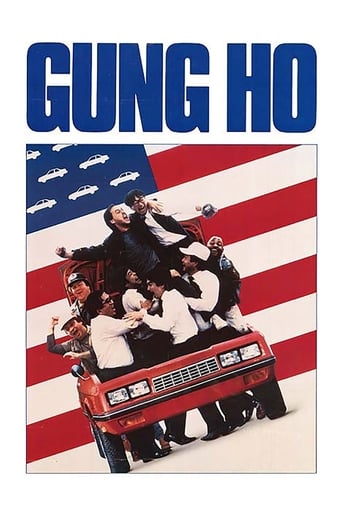
When a western Pennsylvania auto plant is acquired by a Japanese company, brokering auto worker Hunt Stevenson faces the tricky challenge of mediating the assimilation of two clashing corporate cultures. At one end is the Japanese plant manager and the sycophant who is angling for his position. At the other, a number of disgruntled long-time union members struggle with the new exigencies of Japanese quality control.

An original portrayal of a small Czech village where – as the locals put it – an UFO has landed in the form of a kilometre-long silverish factory: a Korean Hyundai automobile plant. The village, hitherto famous mostly for its sauerkraut and the “Radegast” beer was thus turned into an industrial zone – the largest greenfield investment project in the Czech Republic’s history. Nonetheless, for a long time many farmers resisted selling the land upon which the factory was now standing. Eventually, they all succumbed under the pressure from the neighbours, and even the anonymous death threats. The filmmakers returned to Nošovice two years after the dramatic property buyouts, at the time when the factory has just started churning out cheap cars. Combining the perspectives of seven characters, they have composed a portrayal of a place suddenly changed beyond recognition that is playful and chilling at the same time: a politically engaged absurd flick about a field that yields cars.
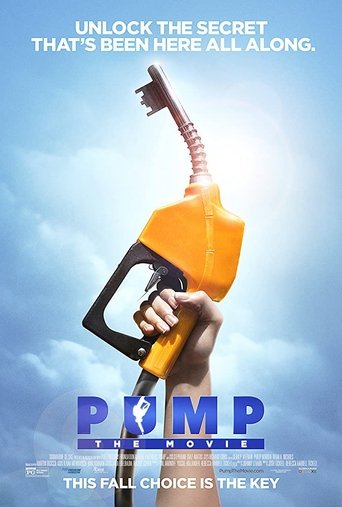
PUMP is a documentary that tells the story of America’s addiction to oil, from its corporate conspiracy beginnings to its current monopoly today, and explains clearly and simply how we can end it — and finally win choice at the pump. Today, oil is our only option for transportation-fuel at the pump. Our exclusive use of it has drained our wallets, increased air pollution and sent our sons and daughters to war in faraway lands. PUMP shows how, through the use of a variety of replacement fuels, we will be able to fill up our cars — cheaper, cleaner and American made — and in the process create more jobs for a stronger, healthier economy. Narrated by Jason Bateman and featuring notable experts such as John Hofmeister former President of Shell Oil, and Elon Musk, the CEO of Tesla Motors, PUMP will forever change the way you think about your car — and the fuel that powers it.
Set to tell the life story of Ettore Bugatti, the founder of the iconic automobile company, who was known for transforming the automotive world with his creative genius and relentless dedication to design and technology. The Italian-born French designer and manufacturer also designed aeroplane engines and was no stranger to tragedy: Bugatti’s son, Jean, was killed on 11 August 1939 at the age of 30 while testing a Bugatti car near the family’s factory HQ in Germany.
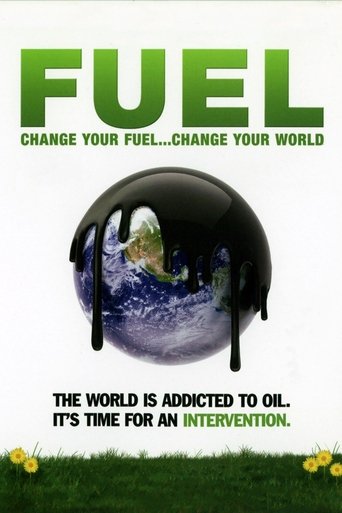
Record high oil prices, global warming, and an insatiable demand for energy: these issues define our generation. The film exposes shocking connections between the auto industry, the oil industry, and the government, while exploring alternative energies such as solar, wind, electricity, and non-food-based biofuels.
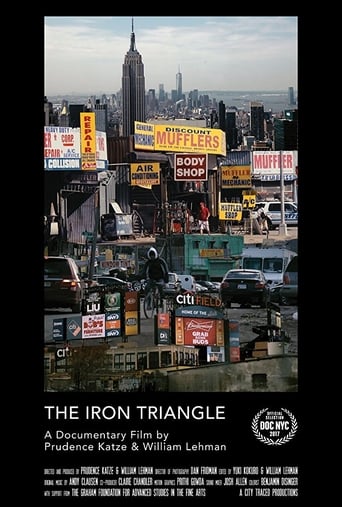
Targeted for several failed redevelopment plans dating back to the days of Robert Moses, Willets Point, a gritty area in New York City known as the “Iron Triangle,” is the home of hundreds of immigrant-run, auto repair shops that thrive despite a lack of municipal infrastructure support. During the last year of the Bloomberg Administration, NYC’s government advanced plans for a “dynamic” high-end entertainment district that would completely wipe out this historic industrial core. The year is 2013, and the workers of Willets Point are racing against the clock to forestall their impending eviction. Their story launches an investigation into New York City’s history as the front line of deindustrialization, urban renewal, and gentrification.