

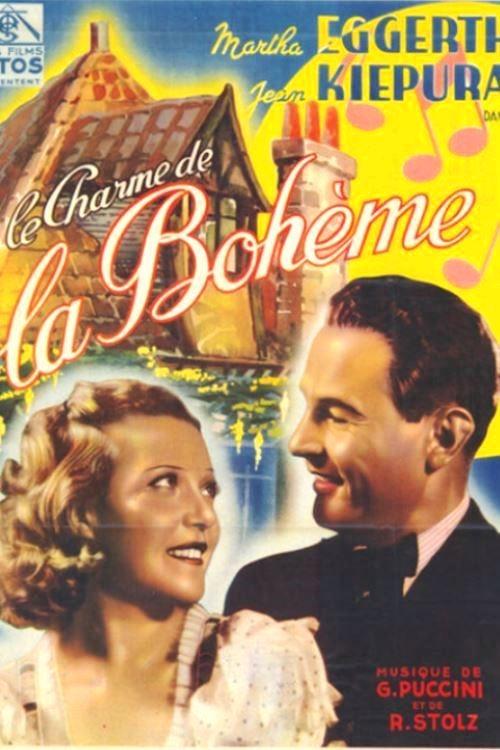
The Charm of La Bohème
Romance · Music
Overview
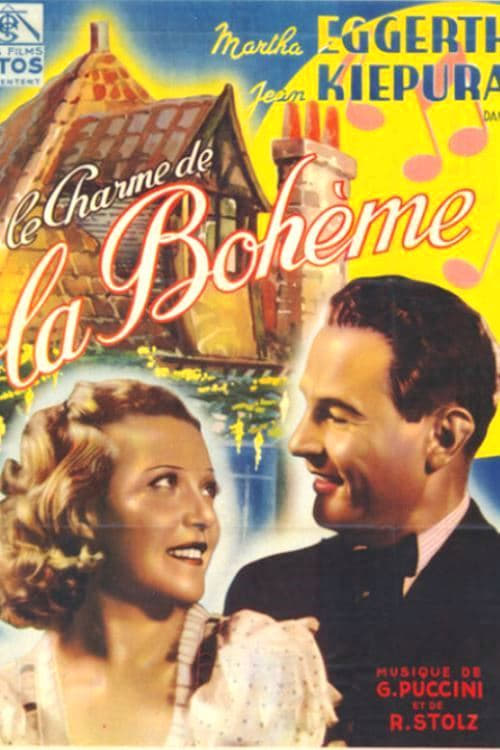
René and his two artist friends lead a meager but careless life in a Parisian small apartment, their main worry being to avoid the housekeeper. Whenever they get some money they call more friends in and celebrate. This is how he meets beautiful but fragile Denise, who wants to be a singer as himself, and they fall in love. Yet when she finds out her real condition she takes a drastic decision which will determine their fates. La Bohème arias, and more.
Top Cast

Jan Kiepura
René Lambertain
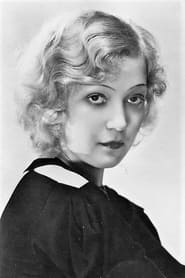
Mártha Eggerth
Denise Vernier

Paul Kemp
Pierre Casale

Theo Lingen
Aristide Boupon
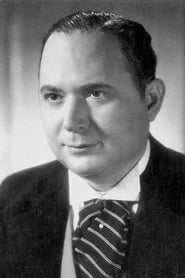
Oskar Sima
André Dupré

Fritz Imhoff
Didier Blanchon
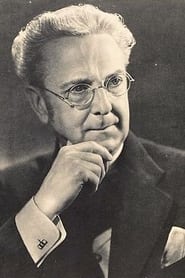
Richard Romanowsky
Professor Delumat

Lizzi Holzschuh
Lolotte Diridon
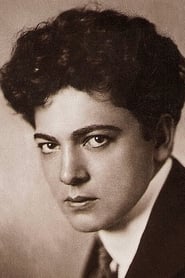
Alfred Gerasch
Francois Vernier
Carl Günther
Octave de Croisson (as Carl Günther)

Mimi Shorp
Anita
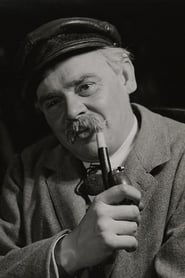
Karl Skraup
Biscot


Jan Kiepura
Jan Kiepura
René Lambertain
Jan Kiepura
René Lambertain
Mártha Eggerth
Mártha Eggerth
Denise Vernier
Mártha Eggerth
Denise Vernier
Paul Kemp
Paul Kemp
Pierre Casale
Paul Kemp
Pierre Casale
Theo Lingen
Theo Lingen
Aristide Boupon
Theo Lingen
Aristide Boupon
Oskar Sima
Oskar Sima
André Dupré
Oskar Sima
André Dupré
Fritz Imhoff
Fritz Imhoff
Didier Blanchon
Fritz Imhoff
Didier Blanchon
Richard Romanowsky
Richard Romanowsky
Professor Delumat
Richard Romanowsky
Professor Delumat
Lizzi Holzschuh
Lizzi Holzschuh
Lolotte Diridon
Lizzi Holzschuh
Lolotte Diridon
Alfred Gerasch
Alfred Gerasch
Francois Vernier
Alfred Gerasch
Francois Vernier
Carl Günther
Carl Günther
Octave de Croisson (as Carl Günther)
Carl Günther
Octave de Croisson (as Carl Günther)
Similar Movies
Shortly after WWII, the DEFA Studios produced a series of operas and operettas which belonged to the classical German musical heritage. This enchanting film, the very first opera production of DEFA, stands out because of its lavish decor and costumes, its outstanding actors and their masterful voices of that time.
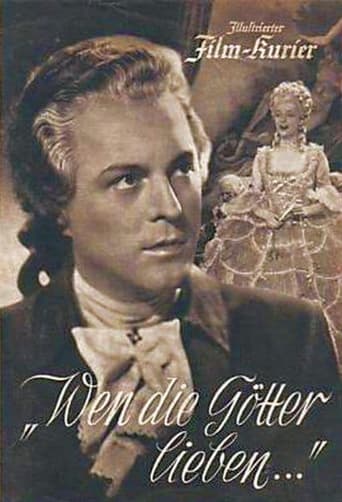
In the first of Hartl's two Mozart biographies, Hans Holt plays the robust and dashing composer who, in keeping with the spirit of the film's time of origin, sets out into the world like a soldier of art after his falling out with the Salzburg authorities. Instead of conquering lands, he conquers the hearts of young ladies, like one of his most famous creations.
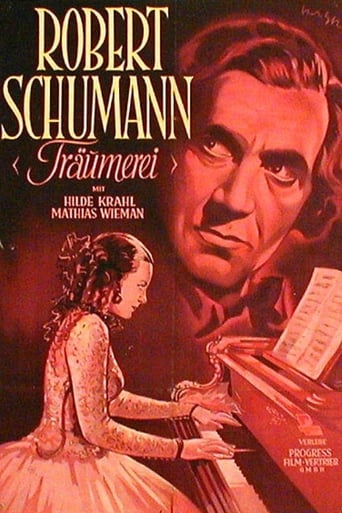
A musical film based on biographical facts about Clara Wieck's love for composer Robert Schumann (1810-1856), her marriage against her will, Schumann's triumph, and his tragic end due to mental illness. The film is beautiful and entertaining, full of noble spirit and beautiful words about art and love, which only conflict in a theoretical context; not least thanks to its solid cast, this film is quite serious and far from kitsch. Completed in 1944, during World War II, the film was rejected by the Nazi leadership, but was eventually released and enjoyed success with an audience already weary of war.
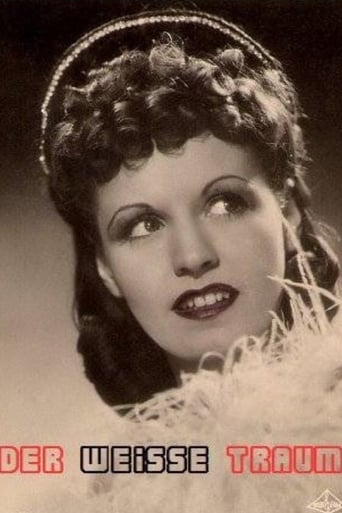
The young ice skating talent, Liesl, lands a part in a new Revue at the Palast Theatre simply because she is confused with someone else. In reality, the roll was to be awarded to Lu Panther, the untalented girlfriend of the theatre's owner, Wildner. After a series of accidents and little disasters, Wildner shuts down the theatre before the Revue can take place. But the Revue's director, Ernst Eder, decides shortly thereafter to present the Revue on an ice skating rink belonging to Liesl's uncle. After a successful run, at first at the Wiener Prater, the performers move on to Spain, Hungary, and a night club with a Jazz orchestra. The Revue becomes a huge success ... and, of course, Ernst and Liesl end up together, too.
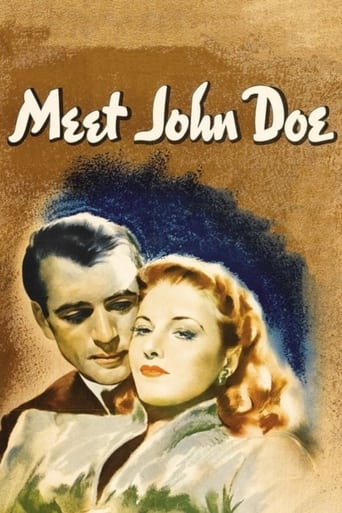
As a parting shot, fired reporter Ann Mitchell prints a fake letter from unemployed "John Doe," who threatens suicide in protest of social ills. The paper is forced to rehire Ann and hires John Willoughby to impersonate "Doe." Ann and her bosses cynically milk the story for all it's worth, until the made-up "John Doe" philosophy starts a whole political movement.