


Song of Tibet
Drama
Overview
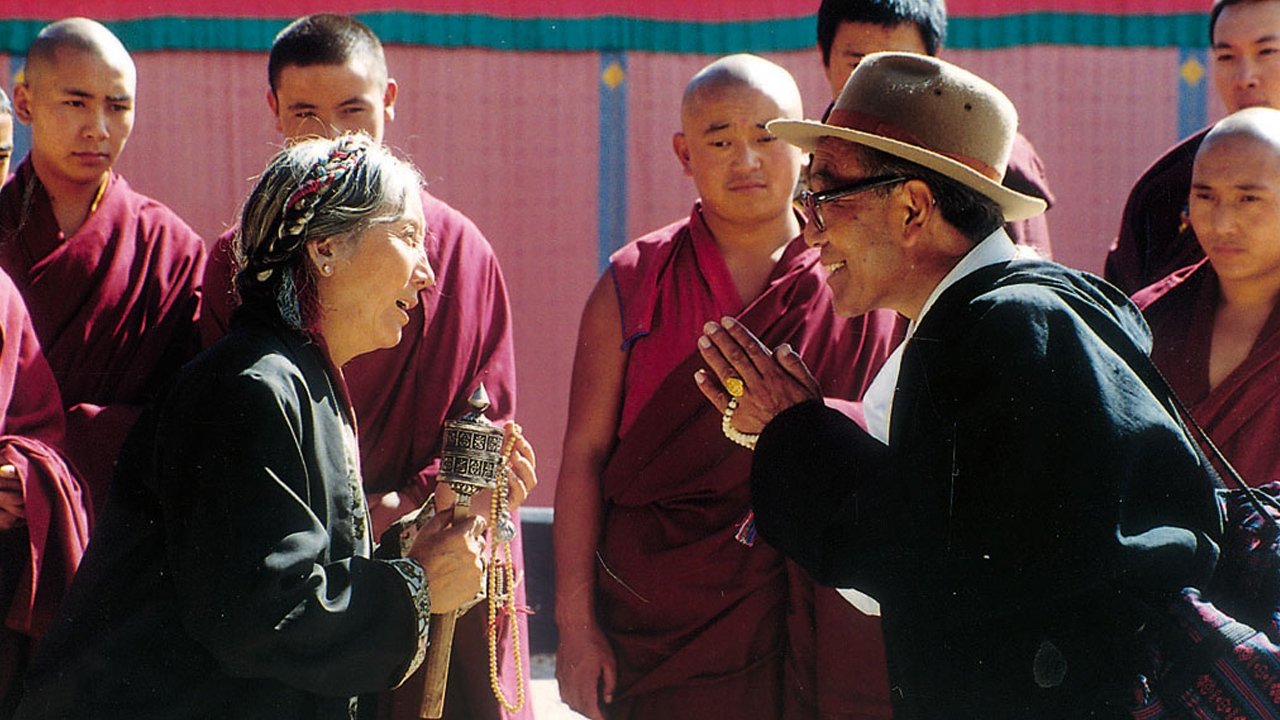
The story of Yeshe Dolma, and her turbulent marriage to a proud warrior, Jiacuo, across half a century.












Danzengzhuoga
Danzengzhuoga
Yixizhuoma (Old)
Danzengzhuoga
Yixizhuoma (Old)
Laqiong
Laqiong
Yixizhuoma (Young)
Laqiong
Yixizhuoma (Young)
Dawangdui
Dawangdui
Jiacuo (Old)
Dawangdui
Jiacuo (Old)

Dunzhu Renqing
Dunzhu Renqing
Jiacuo (Young)
Dunzhu Renqing
Jiacuo (Young)
Dazhen
Dazhen
Yixizhuoma's Granddaughter
Dazhen
Yixizhuoma's Granddaughter
Cirenduoji
Cirenduoji
Cirenduoji
Similar Movies
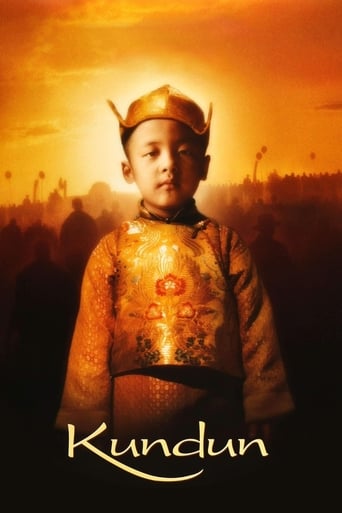
The Tibetans refer to the Dalai Lama as 'Kundun', which means 'The Presence'. He was forced to escape from his native home, Tibet, when communist China invaded and enforced an oppressive regime upon the peaceful nation. The Dalai Lama escaped to India in 1959 and has been living in exile in Dharamsala ever since.
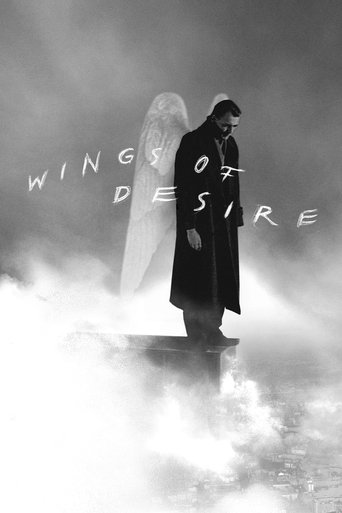
Two angels, Damiel and Cassiel, glide through the streets of Berlin, observing the bustling population, providing invisible rays of hope to the distressed but never interacting with them. When Damiel falls in love with lonely trapeze artist Marion, the angel longs to experience life in the physical world, and finds — with some words of wisdom from actor Peter Falk — that it might be possible for him to take human form.
The story of the widow of Lee Harvey Oswald, the man accused of shooting President Kennedy. Via flashbacks, the story traces the woman's life from her days in Russia, the turmoil following the assassination, raising her family, and coming to grips with the fact that she too may have been a pawn in a grand conspiracy.
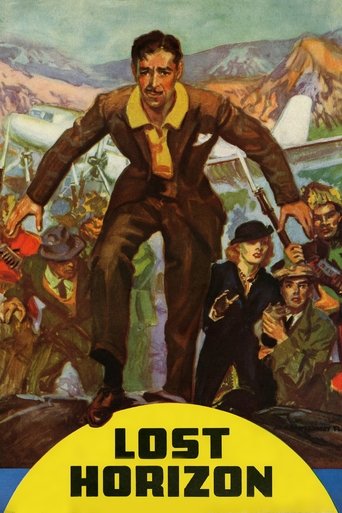
British diplomat Robert Conway and a small group of civilians crash-land in the Himalayas, where they are rescued by the inhabitants of the hidden, idyllic valley of Shangri-La. Protected by the mountains from the world outside, where the clouds of World War II are gathering, Shangri-La provides a seductive escape for the world-weary Conway.
A history of the French Revolution beginning from the decision of the king to convene the Etats-Generaux in 1789 in order to deal with France's debt problem. Part one spans the event until August 10, 1792 (when the King Louis XVI lost all authority and was imprisoned). Part two carries the story through the end of the terror in 1794.