

Ditch
Drama
Overview
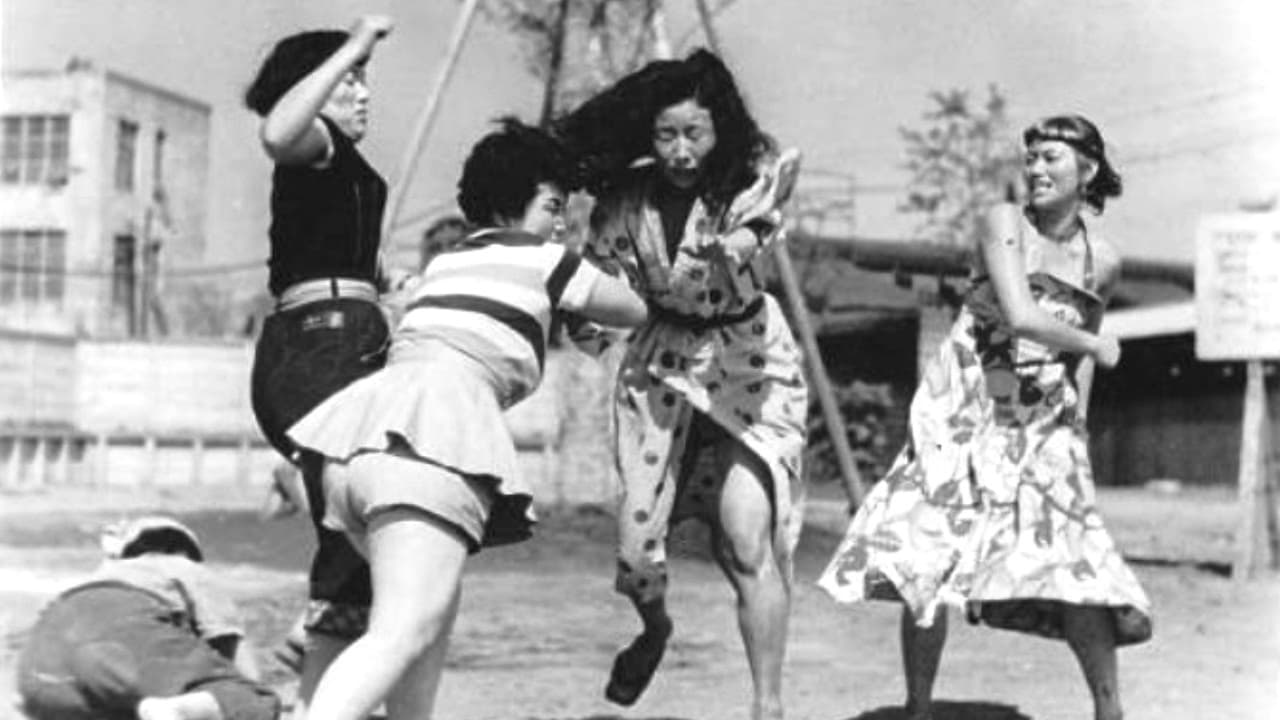
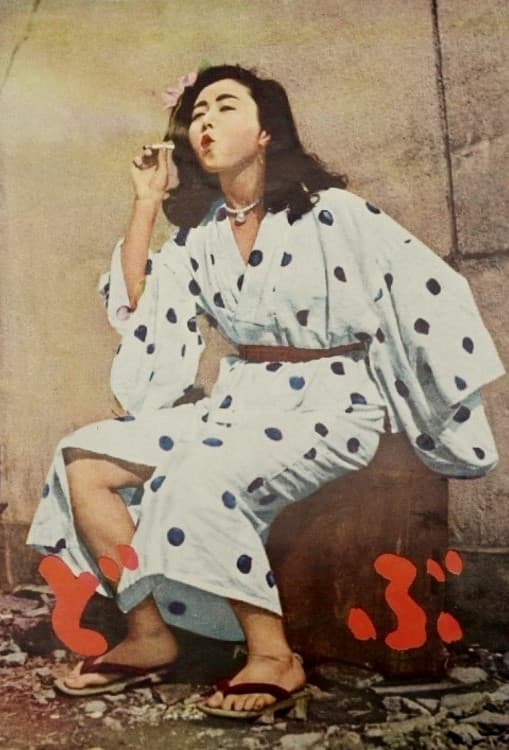
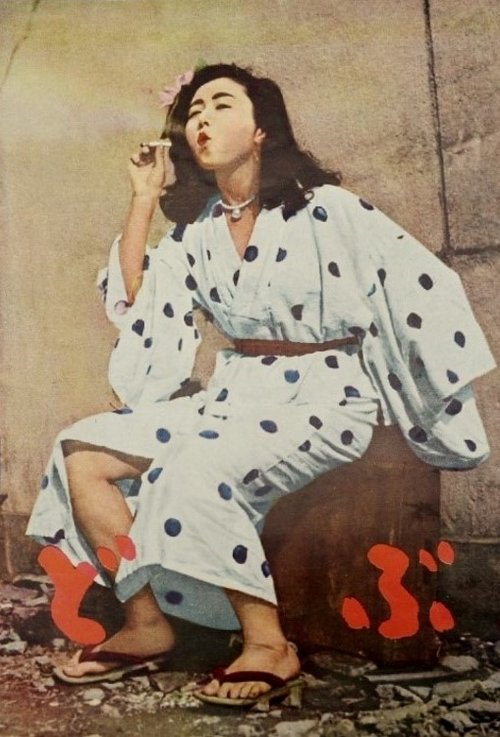
Postwar Tokyo. Pin and Toku live in the squatter area of Kappanuma. Pin and Toku are avid gamblers. They take in Tsuru, a slightly demented woman who has run away from a geisha house.





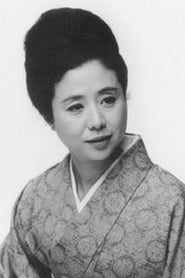
Nobuko Otowa
Nobuko Otowa
Tsuru
Nobuko Otowa
Tsuru
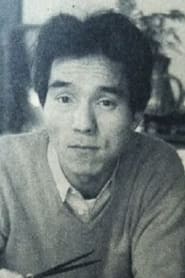
Jūkichi Uno
Jūkichi Uno
Jūkichi Uno
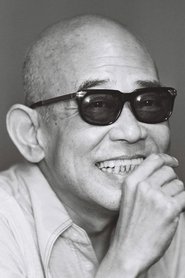
Taiji Tonoyama
Taiji Tonoyama
Taiji Tonoyama
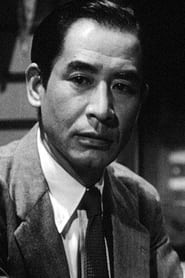
So Yamamura
So Yamamura
So Yamamura

Ichirō Sugai
Ichirō Sugai
Ichirō Sugai
Kamatari Fujiwara
Kamatari Fujiwara
Kamatari Fujiwara

Takashi Kanda
Takashi Kanda
Takashi Kanda
Tsutomu Shimomoto
Tsutomu Shimomoto
Tsutomu Shimomoto
Yoshi Katō
Yoshi Katō
Yoshi Katō
Kinzō Shin
Kinzō Shin
Kinzō Shin
Similar Movies
Air Force Major Lloyd Gruver is reassigned to a Japanese air base and is confronted with US racial prejudice against the Japanese people. The issue is compounded because a number of the soldiers become romantically involved with Japanese women, in defiance of US military policy. Ordinarily, a by-the-book officer, Gruver must take a position when a buddy of his, an enlisted man, Joe Kelly, falls in love with a Japanese woman, Katsumi, and marries her. Gruver risks his position by serving as best man at the wedding ceremony.
In postwar Tokyo, Noriko lives with her extended family. Although she enjoys her career and her social life, her more traditional family worries about her single marital status at the advanced age of 28. 40-year-old business associate Takako proposes, Noriko's family press her into accepting, but when her widowed childhood friend Kenkichi returns to the neighborhood, she finds her heart leading in another direction.
A gentle, war-shattered ex-soldier, Kinji Kameda, arrives in wintry Hokkaidō and is pulled into a volatile tangle of love and pity between the disgraced Taeko Nasu, the proud Ayako, and his possessive friend Akama. Kameda’s saintly compassion exposes everyone’s wounds, steering the quartet toward jealousy, violence, and inexorable tragedy. Adapted from Dostoevsky’s novel.
A lighthearted take on director Yasujiro Ozu’s perennial theme of the challenges of intergenerational relationships, Good Morning tells the story of two young boys who stop speaking in protest after their parents refuse to buy a television set. Ozu weaves a wealth of subtle gags through a family portrait as rich as those of his dramatic films, mocking the foibles of the adult world through the eyes of his child protagonists. Shot in stunning color and set in a suburb of Tokyo where housewives gossip about the neighbors’ new washing machine and unemployed husbands look for work as door-to-door salesmen, this charming comedy refashions Ozu’s own silent classic I Was Born, But . . . to gently satirize consumerism in postwar Japan.
In post-war Japan, Michiko, a disillusioned young woman trapped in a loveless marriage, confides in her younger cousin, Tsutomo, and the two become close, but decide not to consummate their affair. He instead becomes involved with the flirtatious Tomiko, who is also conducting an affair with Michiko's husband. When Michiko finds that her husband has abandoned her, she decides to take her fate into her own hands.