

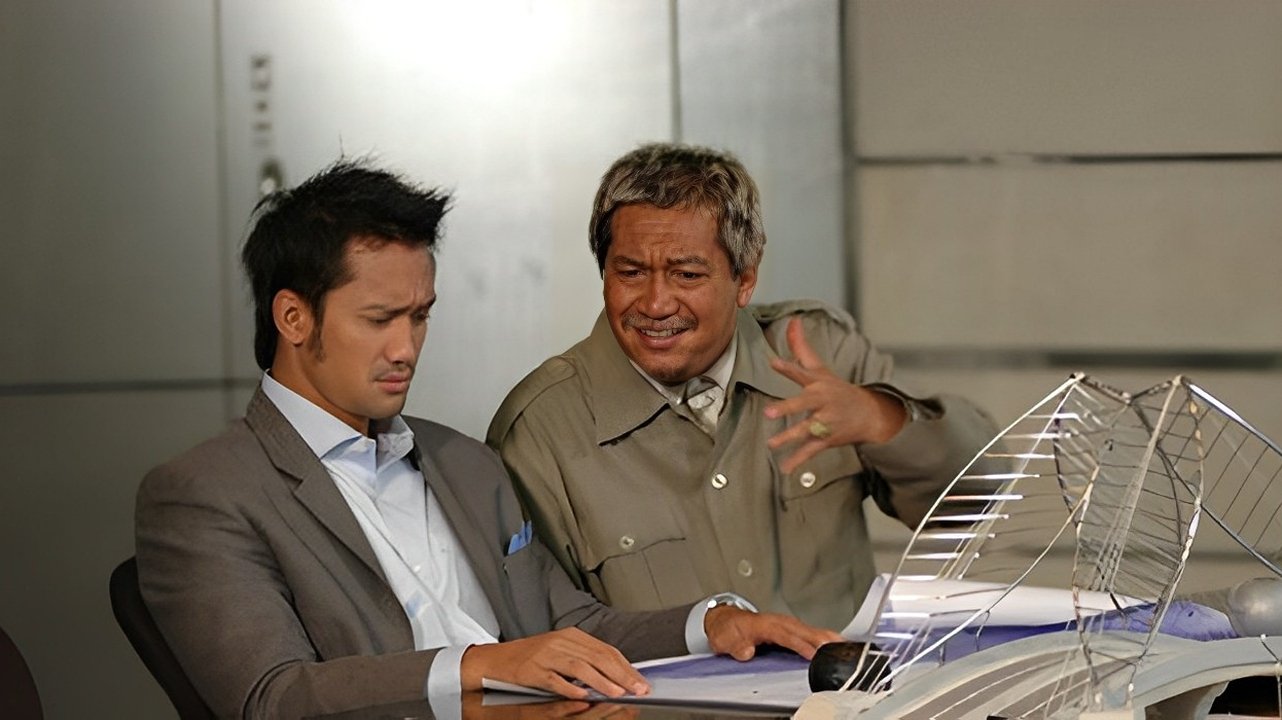

Nagabonar Becomes 2
Drama · Comedy
Overview
In this sequel to Nagabonar (1986), the now old Nagabonar was asked to live with Bonaga, his foreign educated son, for a while in Jakarta. This was an effort by Bonaga to ask Nagabonar's permission to turn the family palm plantation into a resort. This outraged Nagabonar since the family cemetery was in the plantation. Distraught, he left his son's house and got himself lost in Jakarta.













Deddy Mizwar
Deddy Mizwar
Nagabonar
Deddy Mizwar
Nagabonar

Wulan Guritno
Wulan Guritno
Monita
Wulan Guritno
Monita

Tora Sudiro
Tora Sudiro
Bonaga
Tora Sudiro
Bonaga

Mike Lucock
Mike Lucock
Jaki
Mike Lucock
Jaki

Uli Herdinansyah
Uli Herdinansyah
Ronny
Uli Herdinansyah
Ronny

Darius Sinathrya
Darius Sinathrya
Pomo
Darius Sinathrya
Pomo

Lukman Sardi
Lukman Sardi
Umar
Lukman Sardi
Umar

Jaja Mihardja
Jaja Mihardja
Transvestite Club (Homo)
Jaja Mihardja
Transvestite Club (Homo)

Indra Birowo
Indra Birowo
Carpet Maker
Indra Birowo
Carpet Maker

Sakurta Ginting
Sakurta Ginting
Sakurta
Sakurta Ginting
Sakurta
Similar Movies
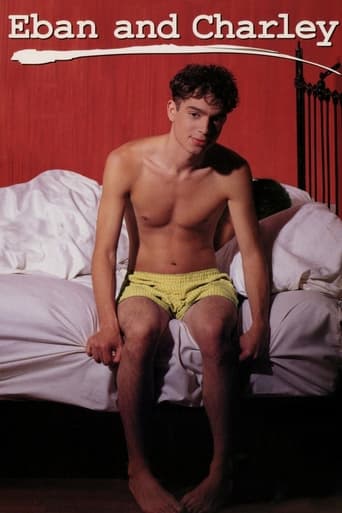
29-year-old Eban has retreated home to his parent's house in Seaside Oregon after the dissolution of his teaching job in Seattle. There he courts 15-year-old Charlie and eventually the two start a sexual relationship. As the age of consent in Oregon is 18 years and given the age difference, the adults in this drama take a dim view of this development.
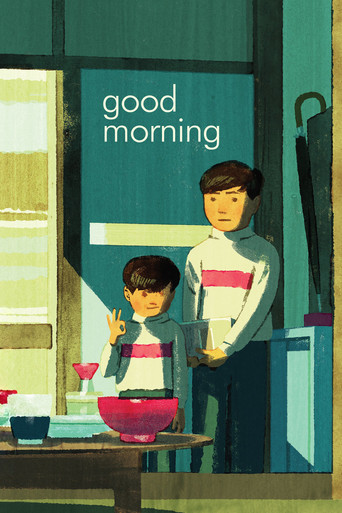
A lighthearted take on director Yasujiro Ozu’s perennial theme of the challenges of intergenerational relationships, Good Morning tells the story of two young boys who stop speaking in protest after their parents refuse to buy a television set. Ozu weaves a wealth of subtle gags through a family portrait as rich as those of his dramatic films, mocking the foibles of the adult world through the eyes of his child protagonists. Shot in stunning color and set in a suburb of Tokyo where housewives gossip about the neighbors’ new washing machine and unemployed husbands look for work as door-to-door salesmen, this charming comedy refashions Ozu’s own silent classic I Was Born, But . . . to gently satirize consumerism in postwar Japan.
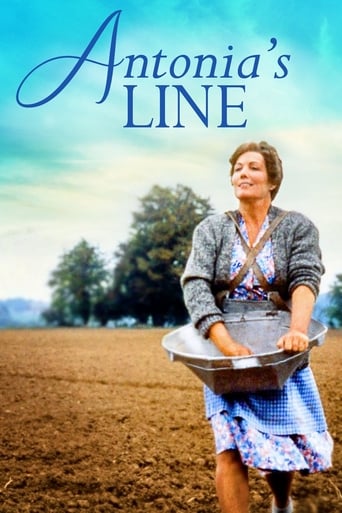
After World War II, Antonia and her daughter, Danielle, go back to their Dutch hometown, where Antonia's late mother has bestowed a small farm upon her. There, Antonia settles down and joins a tightly-knit but unusual community. Those around her include quirky friend Crooked Finger, would-be suitor Bas and, eventually for Antonia, a granddaughter and great-granddaughter who help create a strong family of empowered women.