

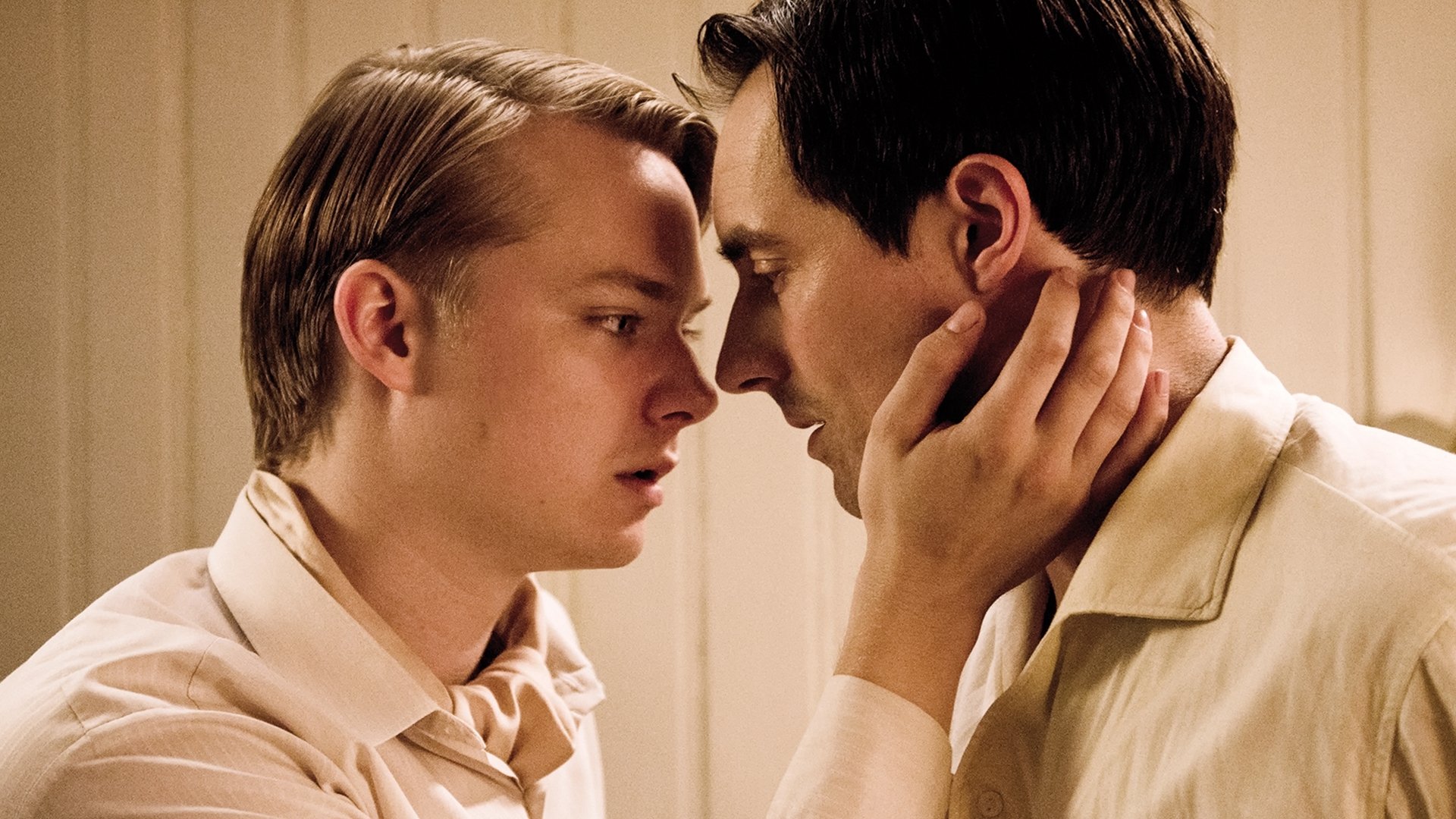

The Circle
Drama · Documentary
Overview
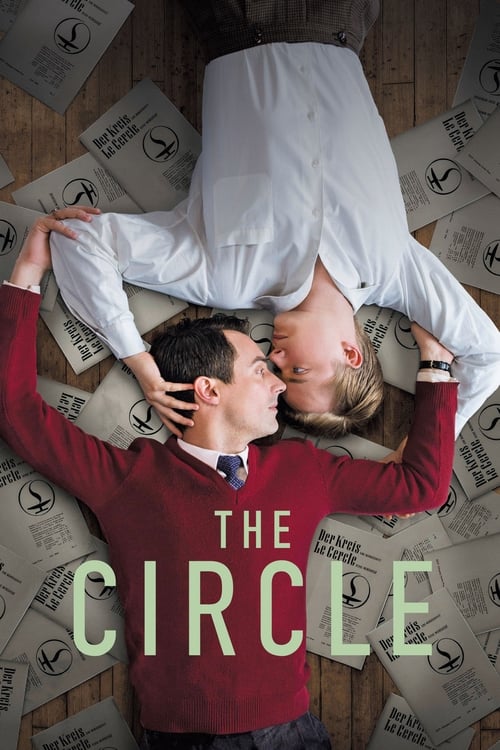
A young teacher in Zurich in the 1950s falls in love with a transvestite star but is torn between his bourgeois existence and his commitment to homosexuality. He joins a gay organization that is eventually seen as the pioneer of gay emancipation in Europe.
Top Cast
Matthias Hungerbühler
Ernst Ostertag
Sven Schelker
Röbi Rapp
Babett Arens
Romy Sieber
Aaron Hitz
Teacher Willi Öttli
Martin Hug
Commissioner Baumgartner

Peter Jecklin
Principal Dr. Max Sieber

Ueli Jäggi
Martin Ostertag
Sebastian Ledesma
Rinaldi - Italian Rent-Boy

Marie Leuenberger
Miss Gabi Gerster
Matthias Meier
Jean-Martin
Markus Merz
Commissioner Stamm

Antoine Monot Jr.
Gian







Matthias Hungerbühler
Matthias Hungerbühler
Ernst Ostertag
Matthias Hungerbühler
Ernst Ostertag
Sven Schelker
Sven Schelker
Röbi Rapp
Sven Schelker
Röbi Rapp
Babett Arens
Babett Arens
Romy Sieber
Babett Arens
Romy Sieber
Aaron Hitz
Aaron Hitz
Teacher Willi Öttli
Aaron Hitz
Teacher Willi Öttli
Martin Hug
Martin Hug
Commissioner Baumgartner
Martin Hug
Commissioner Baumgartner
Peter Jecklin
Peter Jecklin
Principal Dr. Max Sieber
Peter Jecklin
Principal Dr. Max Sieber
Ueli Jäggi
Ueli Jäggi
Martin Ostertag
Ueli Jäggi
Martin Ostertag
Sebastian Ledesma
Sebastian Ledesma
Rinaldi - Italian Rent-Boy
Sebastian Ledesma
Rinaldi - Italian Rent-Boy
Marie Leuenberger
Marie Leuenberger
Miss Gabi Gerster
Marie Leuenberger
Miss Gabi Gerster
Matthias Meier
Matthias Meier
Jean-Martin
Matthias Meier
Jean-Martin
Similar Movies
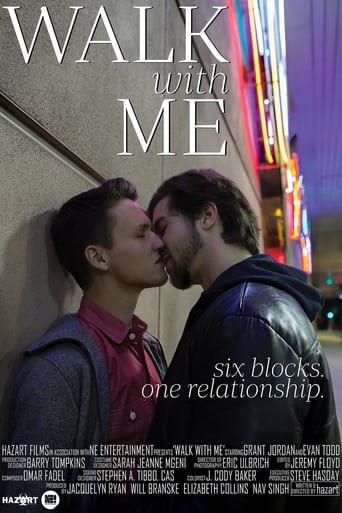
While walking his dog, Eric bumps into the confident and carefree Ryan. Taking a nervous leap, Eric accepts Ryan’s invitation to walk through the city en route to a concert. In the next six blocks, the two men discover that intimacy through anonymity also exposes one another’s flaws and insecurities. Will they make it to the concert in one piece?
The movie follows a group of young friends in the city of Tel Aviv and is as much a love song to the city as it is an exploration of the claim that people in Tel Aviv are isolated from the rest of the country and the turmoil it's going through. The movie looks at young people's lives in Tel Aviv through the POVs of gays and straights, Jews and Arabs, men and women.
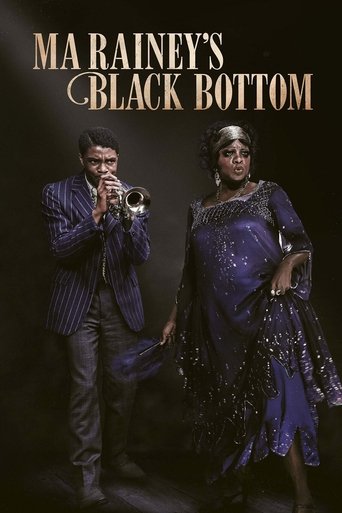
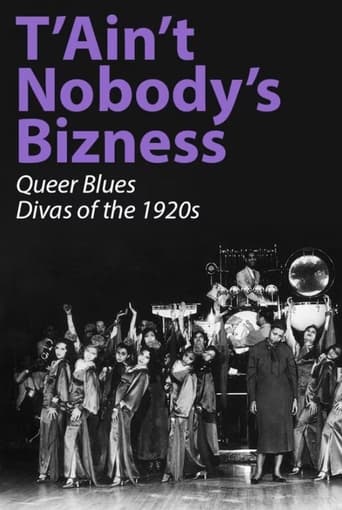
The 1920s saw a revolution in technology, the advent of the recording industry, that created the first class of African-American women to sing their way to fame and fortune. Blues divas such as Bessie Smith, Ma Rainey, and Alberta Hunter created and promoted a working-class vision of blues life that provided an alternative to the Victorian gentility of middle-class manners. In their lives and music, blues women presented themselves as strong, independent women who lived hard lives and were unapologetic about their unconventional choices in clothes, recreational activities, and bed partners. Blues singers disseminated a Black feminism that celebrated emotional resilience and sexual pleasure, no matter the source.