

Picasso
Documentary
Overview
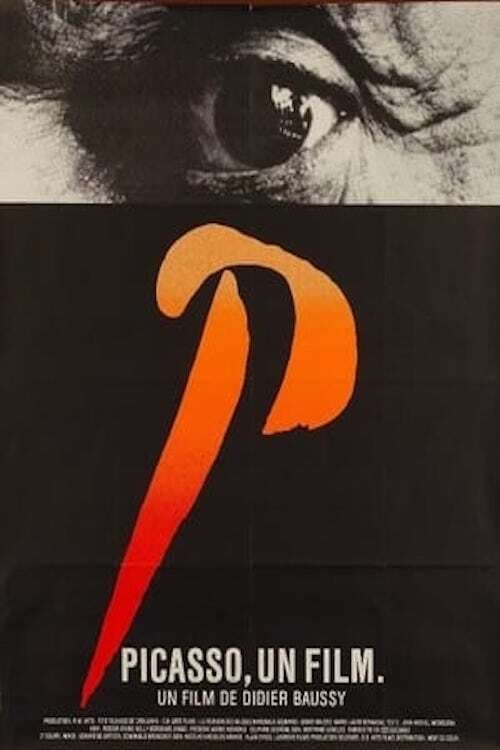
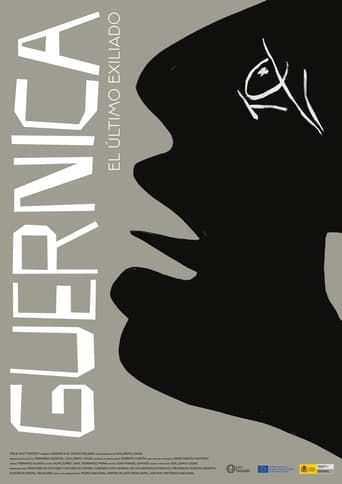
The opening of the Picasso-National Museum in Paris granted a unique chance for Didier Baussy to document the precious collection in the museum in 81-minutes of film. The museum shows paintings held back by Picasso himself which have been very valuable for his connection to the world and his memories. A sensitive Analysis of these pictures dominantly from the Guernica-phase, grant a deep insight into the history of this artist and man Picasso, a geographical location of the scenes and a glimpse of his sources of inspiration.

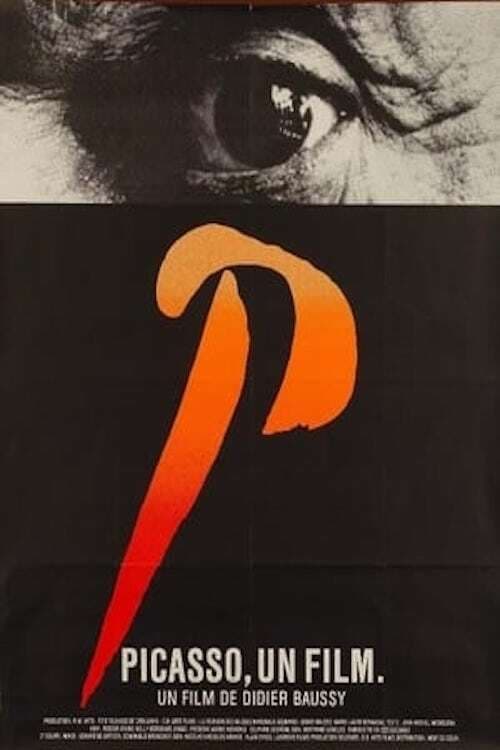
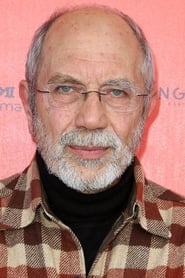
Féodor Atkine
Féodor Atkine
Narration (voice)
Féodor Atkine
Narration (voice)
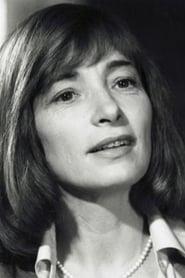
Nelly Borgeaud
Nelly Borgeaud
Narration (voice)
Nelly Borgeaud
Narration (voice)
Similar Movies
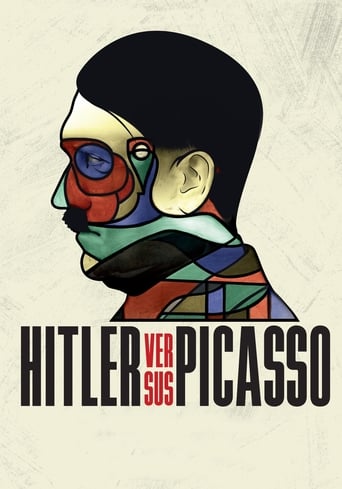
In 1937 the Nazi regime held two exhibitions in Munich: one to stigmatize “Degenerate Art” (which they systematically looted and destroyed) and one, personally curated by Hitler, to glorify “Classic Art”. This immersive new documentary reveals the Nazi’s complicated relationship with classical and modern art, displaying an incredible number of masterpieces by Botticelli, Klee, Matisse, Monet, Chagall, Renoir and Gauguin amongst others, intertwined with human stories from the most infamous period of the twentieth century. A state-of-the-art detective story exploring the Nazis’ obsession with creative expression, Hitler versus Picasso combines history, art and human drama for an unforgettable cinema experience.
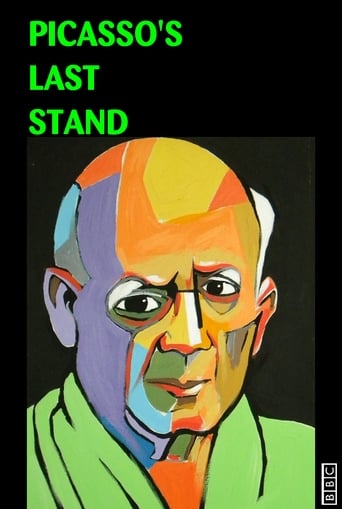
Biographer Sir John Richardson and Picasso’s granddaughter, Diana Widmaier Picasso, are the star witnesses in a documentary that reassesses the artist’s output in the years before his death in 1973. The story is of a creative spirit finding new impetus in response to both death’s approach and the censure of contemporaries and critics. Those who were members of Picasso’s private inner circle – gossip about his lifestyle also helped to fire him back up – put the later work forward as some of his frankest, wittiest and most profound.

In 1906, Georges Braque and Pablo Picasso were 24 and 25 years old. The Butte Montmartre is their Parisian sanctuary where artists in need of recognition meet. Braque and Picasso become friends to the point of never leaving each other. For the moment, their paintings do not interest many people; only Apollinaire, then aged 26, and the young gallery owner Daniel-Henry Kahnweiler, 22, saw immense potential in them. And in addition to their passion for painting, these four inseparable boys share the same appetite for modernity. Collages, diversions of materials and geometrization of forms: cubism opened the way to abstraction. A revolution initiated by Picasso and Braque, which profoundly changed the course of the history of modern art.
We are in the midst of production on a one-hour film on seminal art historian John Richardson, and his work on the fourth and final volume of his biography on Picasso. Richardson shares his insights and observations on Picasso, whom he first met in the 1950s, with Shelley Wanger, his editor at Alfred A. Knopf (a division of Random House, Inc.).
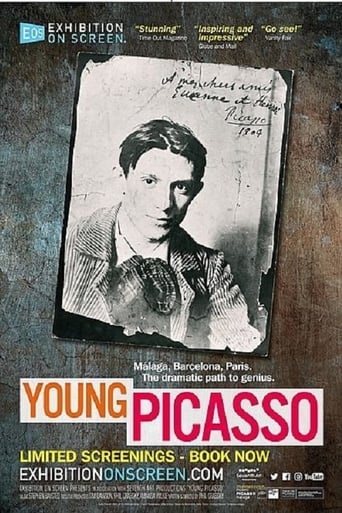
Pablo Picasso is one of the greatest artists of all time - and right up until his death in 1973 he was the most prolific of artists. Many films have dealt with these later years - the art, the affairs and the wide circle of friends. But where did this all begin? What made Picasso in the first place? Too long ignored, it is time to look at the early years of Picasso; the upbringing and the learning that led to his extraordinary achievements.
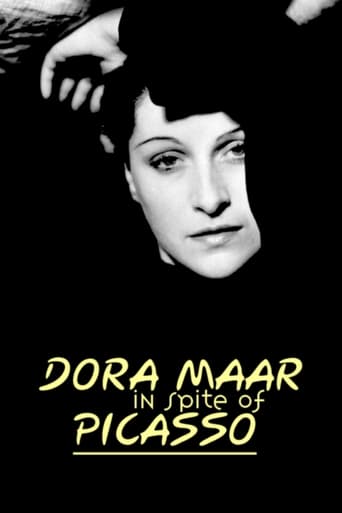
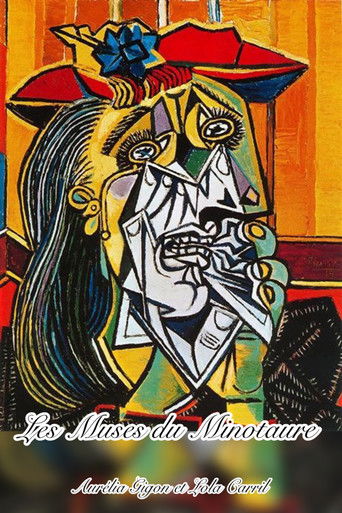
Dora Maar, a world-class photographer who began her artistic career in the French Surrealist scene of the 30s, lived in the shadow of Spanish painter Pablo Picasso, her lover between 1935 and 1943, with whom she maintained a chaotic, even violent, relationship. Fortunately, she survived Picasso's abusive behavior and its sequels to find a new path, the best one, the one that is worth to be told, in spite of Picasso.
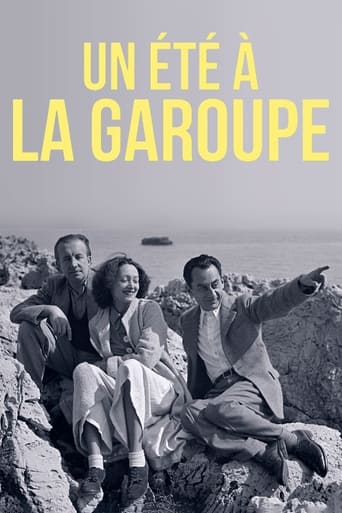
La Garoupe, a beach in Antibes, in 1937. For one summer, the painter and photographer Man Ray films his friends Pablo Picasso, Dora Maar, Paul Eluard and his wife Nusch, as well as Lee Miller. During these few weeks, love, friendship, poetry, photography and painting are still mixed in the carefree and the creativity specific to the artistic movements of the interwar period.