

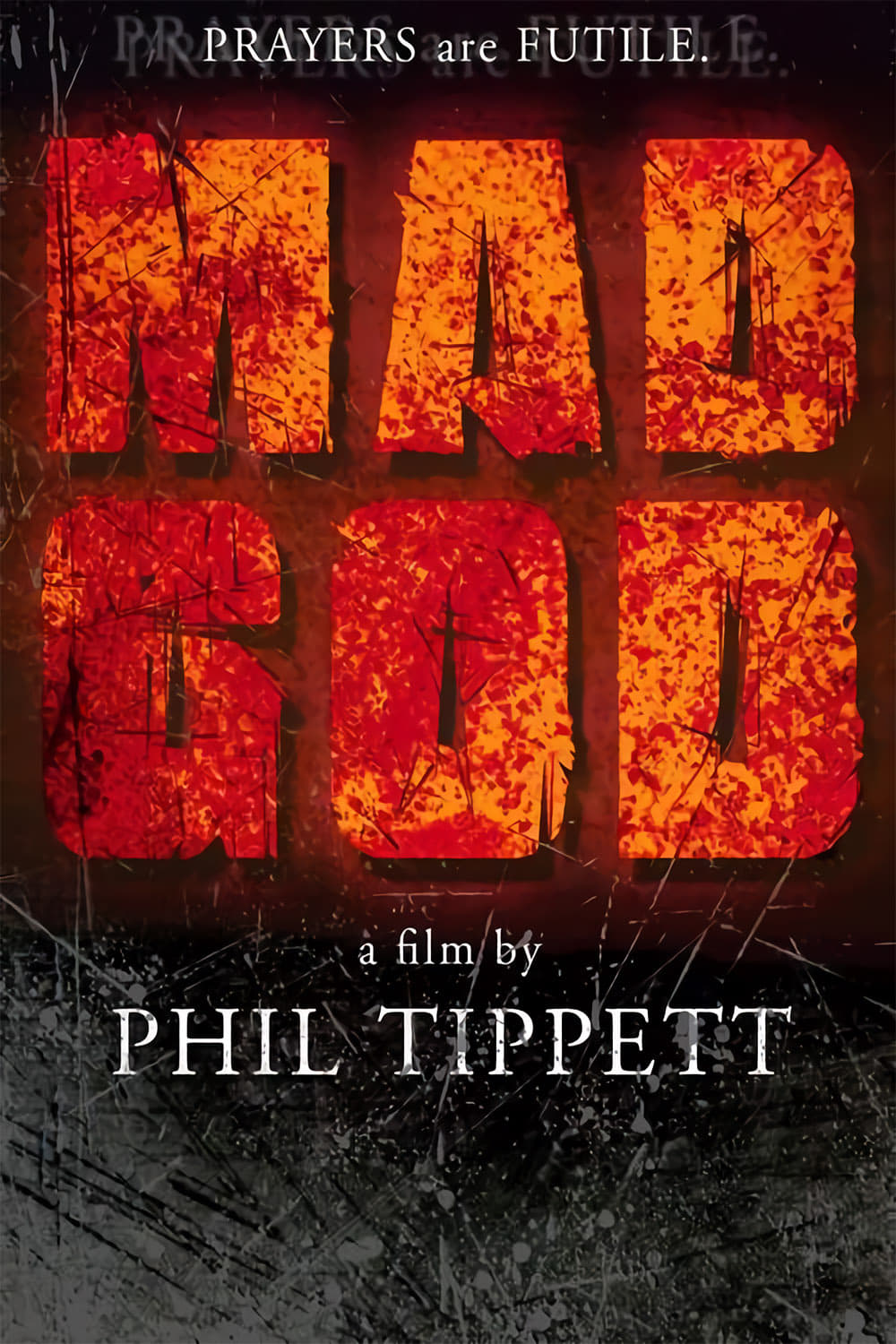
Mad God: Part 1
Animation · Fantasy · Horror
Overview
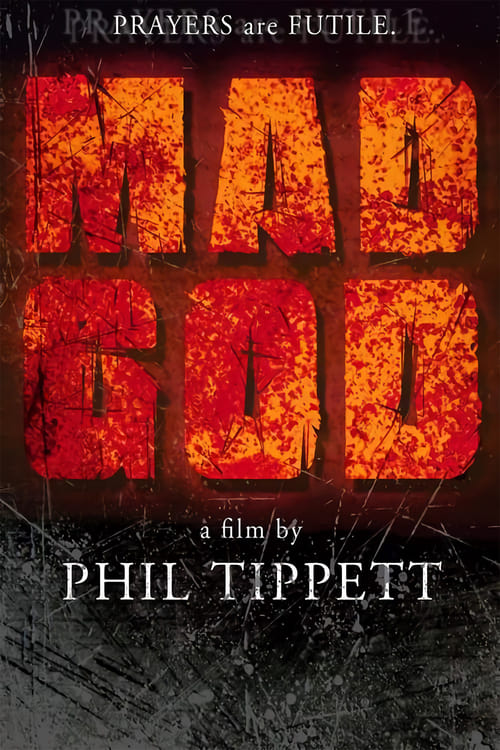
Mad God is a fully practical stop-motion film set in a Miltonesque world of monsters, mad scientists, and war pigs.





No cast information.
Similar Movies
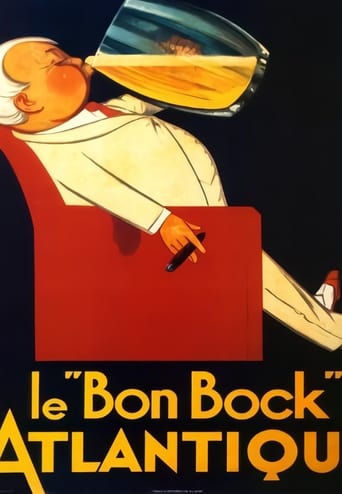
One of the first animated short films. A wanderer enters a cabaret in the countryside and asks a waitress for a beer. She comes back with a pint, as the wanderer begins to court her. However, the kitchen boy comes, drinks the beer and vanishes. The wanderer, misunderstanding, asks for another beer. Then a traveler enters and has an argument with the wandered. During the argument, the kitchen boy appears, sips the second beer and runs away. As the traveler quits, the customer finds his glass empty again. He calls the waitress, expresses his disappointment and leaves. The kitchen boy comes in and explains to the waitress what he did with the two beers. They make fun together of the wanderer and leave. A lost film.

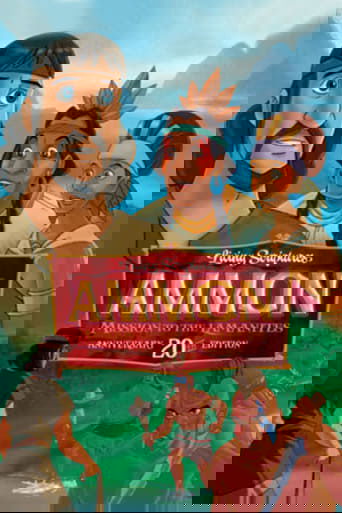
Mahonri, the brother of Jared, is a righteous man in wicked Babel. After the tower of Babel is destroyed and the language of the people is confused, the Lord shows Mahonri how to build barges to carry the righteous across the sea to the Promised Land. When the brother of Jared asks the Lord to touch stones to light the barges, his faith is so strong that he receives a great revelation.
Dealing with life's troubles is never easy. Many people find comfort in the soothing words of their trusted therapist. Mr. Talbot does not. His therapist, has a tough love approach. Not convinced of Talbot's assertion that he's a werewolf, she invites him to her office the evening of the full moon. Talbot insists that he's really dangerous. As the doctor insists Talbot's delusional, suddenly he begins to change. Prepared, Dr. Steiner has no trouble curing her patient. For good.
A reel of the Noh drama Momiji-gari, in which Danjuro Ichikawa played opposite Onoe Kikugoro V as an ogress who has disguised herself as the Princess Sarashina. Filmed by Shibata Tsunekichi in the open air on a windy day in November 1899, Danjuro would allow only the one take, so that when his fan blew away in mid-performance the scene had to stay. The film re-emerged at the Kikikan theatre in 1907 where it was a great success and inspired a wave of fiction filmmaking based on traditional Japanese narratives.