

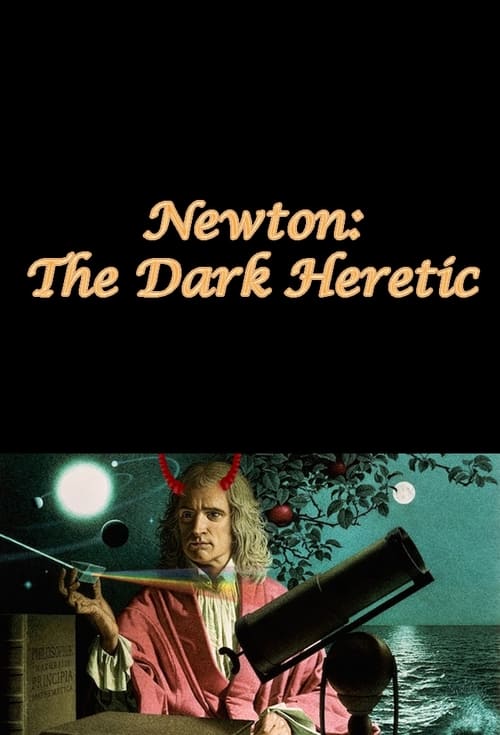
Newton: The Dark Heretic
Documentary
Overview
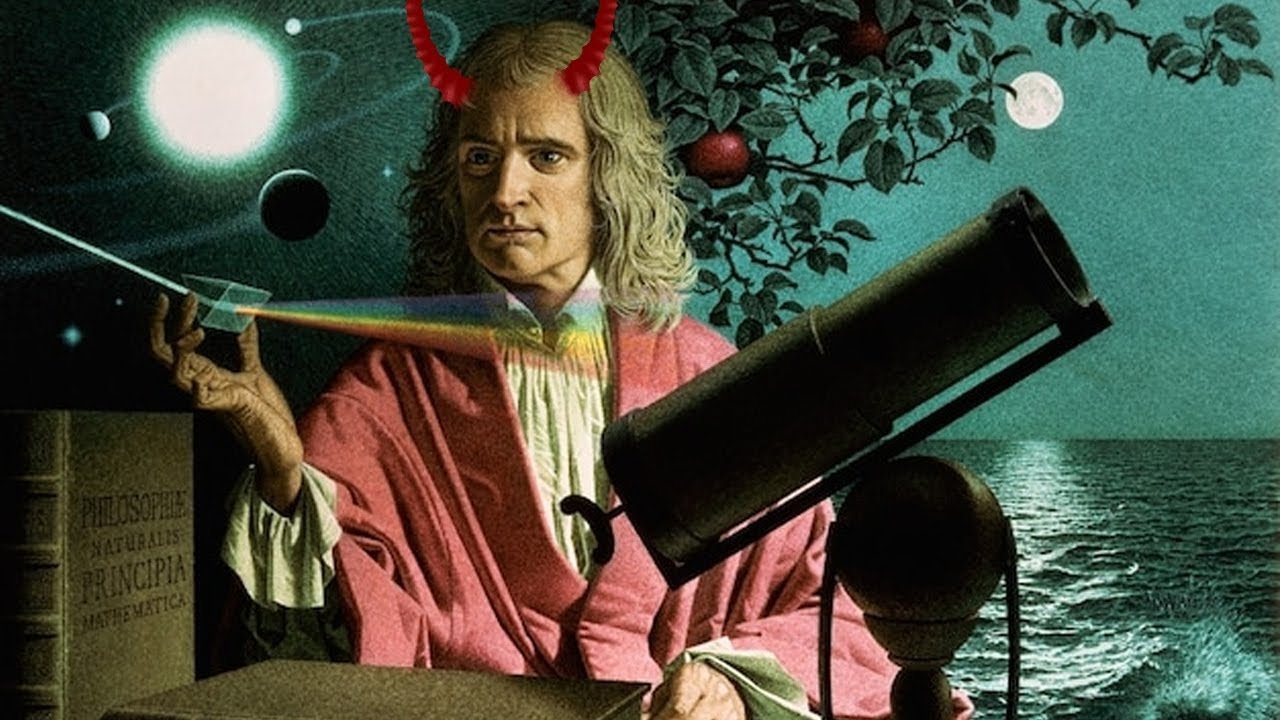
A BBC documentary uncovers, for the first time, the original manuscript where Newton forecast the date of the end of the world. Newton, the father of modern mathematics, dedicated a large part of his life to a quest to decode the Bible which he believed to be the word of God. For over 50 years, he studied the Bible trying to unravel God's secret laws of the Universe. He was fanatical in his quest to discover the date for the Second Coming of Christ and the end of the world. Scholars have spent years trying to unravel Newton's writings on the Book of Revelation to establish when he thought the apocalypse was coming.
Phillip Keiman
Phillip Keiman
Sir William James
Phillip Keiman
Sir William James
Philip Harvey
Philip Harvey
Royal Society Speaker
Philip Harvey
Royal Society Speaker
Similar Movies
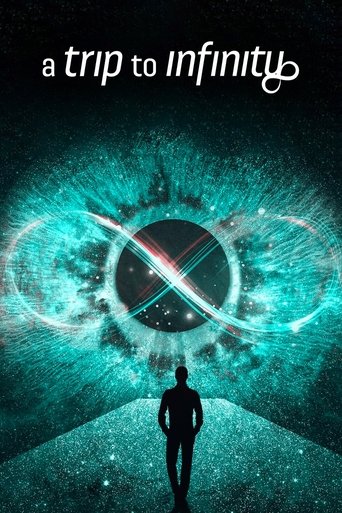
Does infinity exist? Can we experience the Infinite? In an animated film (created by artists from 10 countries) the world's most cutting-edge scientists and mathematicians go in search of the infinite and its mind-bending implications for the universe. Eminent mathematicians, particle physicists and cosmologists dive into infinity and its mind-bending implications for the universe.
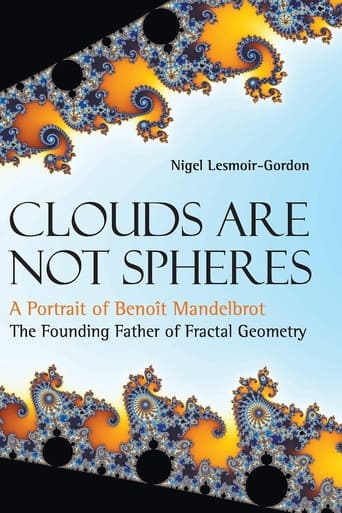
Until recently geometry was 'cold', incapable of describing the irregular shape of a cloud, the slope of a mountain or the beauty of the human body. With fractal geometry, Benoit Mandelbrot gave us a language for our natural world. In this captivating documentary, the man himself explains this groundbreaking discovery.
The last western heretic is a timely and enthralling insight into the ideas and philosophies of the New Zealander described by the BBC as “the last living heretic”. New Zealand’s very own Lloyd Geering, now 89 and still deeply involved in the debate of ideas about life and religion, and latterly, the very survival of human beings and the planet to which we belong. The documentary explores his world view in a series of controversial and richly illustrated statements, and in doing so, makes simple and comprehensible the powerful theological and cultural ideas underpinning western civilisation.
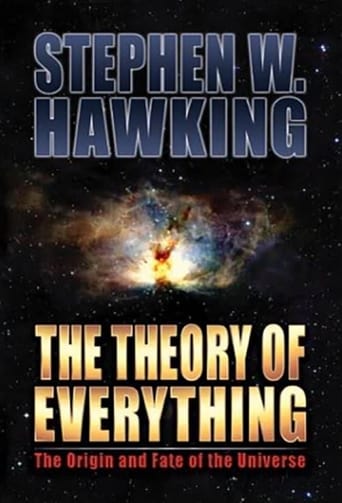
Twenty years after A Brief History of Time flummoxed the world with its big numbers and black holes, its author, Stephen Hawking, concedes that the "ultimate theory" he'd believed to be imminent - which would conclusively explain the origins of life, the universe and everything - remains frustratingly elusive. Yet despite his failing health and the seeming impossibility of the task, Hawking is still devoted to his work; an extraordinary drive that's captured here in fleeting interview snippets and footage of the scientist sharing a microwave dinner with some fawning PhD students. Though the pop-science tutorials that dapple the first of this two-part biography are winningly perky, Hawking, alas, remains as tricky to fathom as his boggling quantum whatnots

As a young missionary, Richard Wilhelm in 1899 to China, which was then exploited by the colonial powers. He lived there revolts against foreigners, the end of the imperial dynasties and the First World War. In these times of turbulent upheavals he was indefatigable in search of the deepest truth that helps people deal with change and able to shape their own lives. Richard Wilhelm baptized not only Chinese, but accomplished one of the largest translation services of the 20th century: Confucius, LAOTSE the most important texts of Daoism and especially the I CHING THE BOOK OF CHANGES. The book also served many readers in the West as inspiration. Wilhelm is still one of the most important mediators of Chinese culture in Europe.
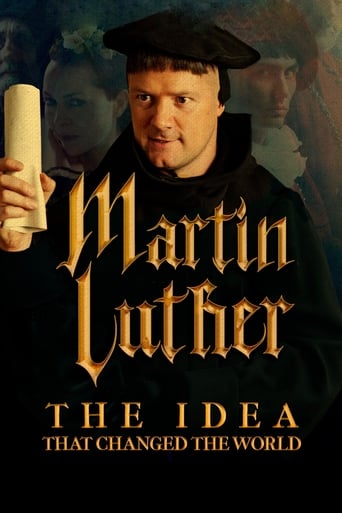
The year 2017 marks the 500th anniversary of one on the most important events in Western civilization: the birth of an idea that continues to shape the life of every American today. In 1517, power was in the hands of the few, thought was controlled by the chosen, and common people lived lives without hope. On October 31 of that year, a penniless monk named Martin Luther sparked the revolution that would change everything. He had no army. In fact, he preached nonviolence so powerfully that — 400 years later — Michael King would change his name to Martin Luther King to show solidarity with the original movement. This movement, the Protestant Reformation, changed Western culture at its core, sparking the drive toward individualism, freedom of religion, women's rights, separation of church and state, and even free public education. Without the Reformation, there would have been no pilgrims, no Puritans, and no America in the way we know it.