

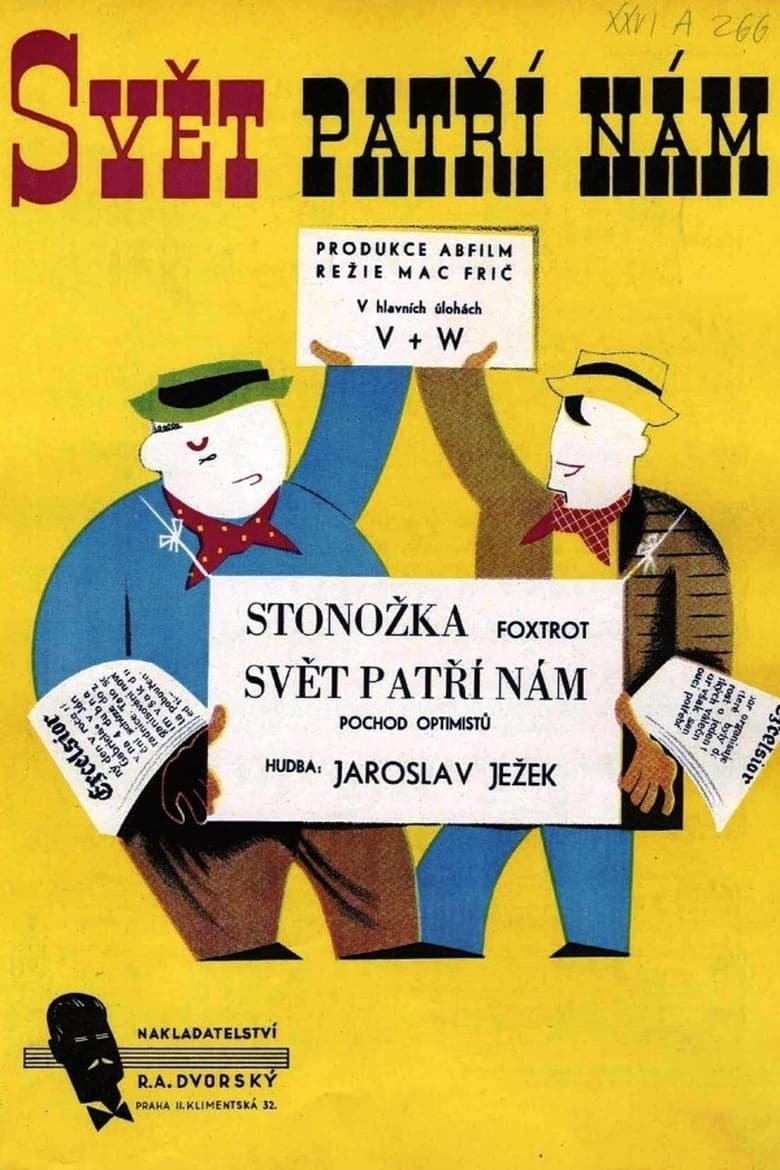
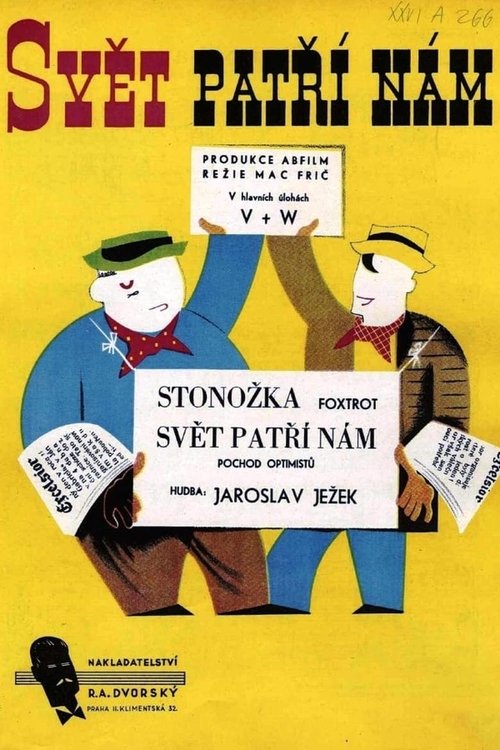
The World Belongs to Us
Comedy
Overview
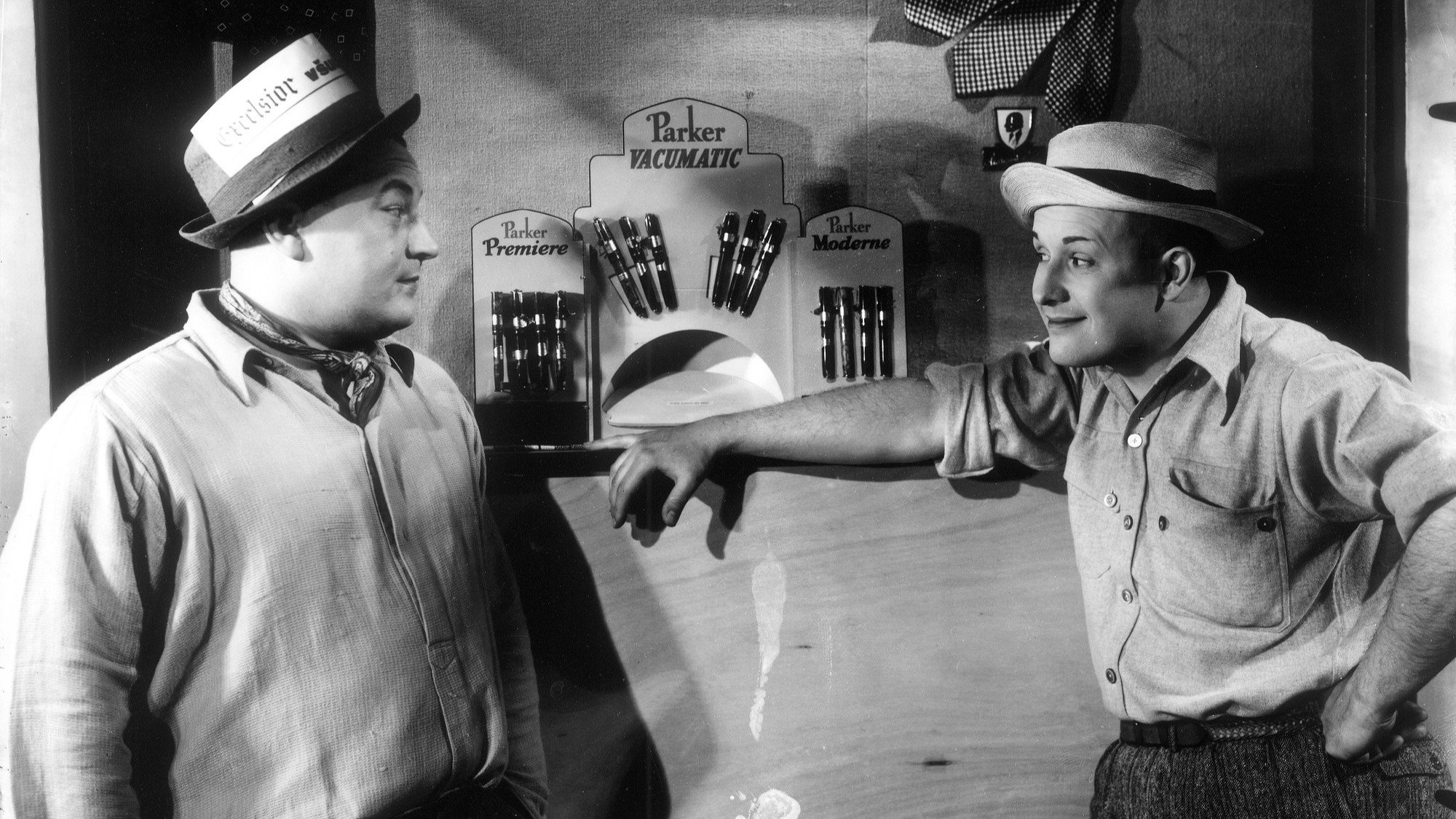
One of the few European films of the 30s to criticize the Nazis, even if they couldn't be directly named due to censorship: Gangsters with gray hats stir up trouble in what is obviously the Sudetenland.
Top Cast

Jan Werich
kamelot
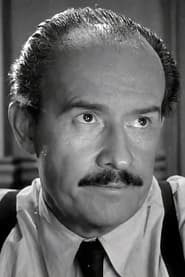
George Voskovec
kamelot

Vladimír Šmeral
Josef Forman alias Lionel

Adina Mandlová
Markétka
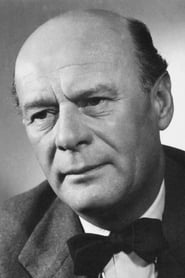
Bohuš Záhorský
Dexler
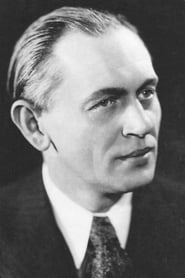
Jaroslav Průcha
Antonín Hart
Miroslav Svoboda
Berger
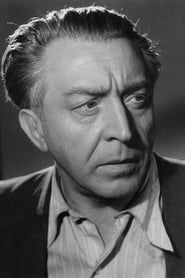
L. H. Struna
Holister
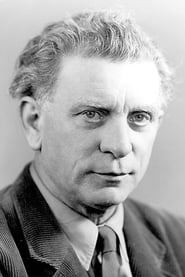
Zdeněk Štěpánek
guvernér státu
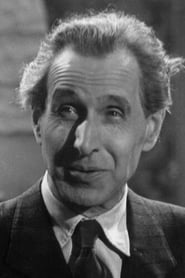
Karel Dostal
tajemník firmy Noel
František Černý
dělník Bidon
František Filipovský
dělník Pinker
Jan Werich
Jan Werich
kamelot
Jan Werich
kamelot
George Voskovec
George Voskovec
kamelot
George Voskovec
kamelot
Vladimír Šmeral
Vladimír Šmeral
Josef Forman alias Lionel
Vladimír Šmeral
Josef Forman alias Lionel
Adina Mandlová
Adina Mandlová
Markétka
Adina Mandlová
Markétka
Bohuš Záhorský
Bohuš Záhorský
Dexler
Bohuš Záhorský
Dexler
Jaroslav Průcha
Jaroslav Průcha
Antonín Hart
Jaroslav Průcha
Antonín Hart
Miroslav Svoboda
Miroslav Svoboda
Berger
Miroslav Svoboda
Berger
L. H. Struna
L. H. Struna
Holister
L. H. Struna
Holister
Zdeněk Štěpánek
Zdeněk Štěpánek
guvernér státu
Zdeněk Štěpánek
guvernér státu
Karel Dostal
Karel Dostal
tajemník firmy Noel
Karel Dostal
tajemník firmy Noel
Similar Movies

Hate Mail is an epistolary play something like Love Letters, with two actors reading letters and other correspondence, but it's a little wilder and more hysterically funny. It tells the story of Preston, a spoiled rich kid who meets his match in Dahlia, an angst-filled artist. Their worlds collide when Preston sends a complaint letter that gets Dahlia fired from her job, and then there's no turning back. The play stays with their increasingly crazed correspondence as they move from hate to love, and then right back again.
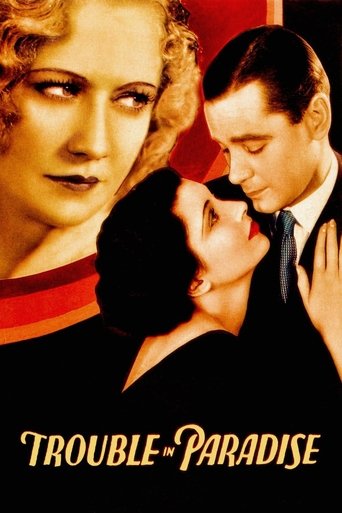
Thief Gaston Monescu and pickpocket Lily are partners in crime and love. Working for perfume company executive Mariette Colet, the two crooks decide to combine their criminal talents to rob their employer. Under the alias of Monsieur Laval, Gaston uses his position as Mariette's personal secretary to become closer to her. However, he takes things too far when he actually falls in love with Mariette, and has to choose between her and Lily.
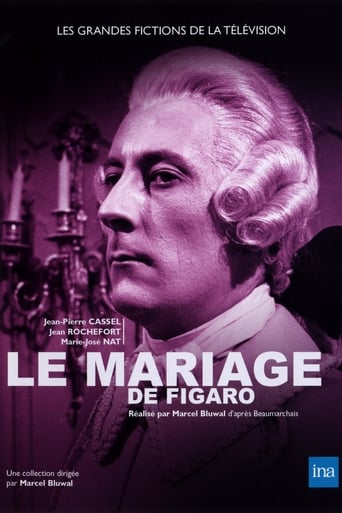
Comedy in five acts by Beaumarchais, filmed by Marcel Bluwal in studio and on location. The cast, in accordance with Marcel Bluwal's wishes, is in keeping with the age and character of the characters, to give it rhythm. At once "a comic baroque play, a bourgeois drama, a chansonnier's number, a social satire, a farce and a very pretty love story" according to Marcel Bluwal, it can also be summed up, according to Beaumarchais, as "the most bantering of intrigues".
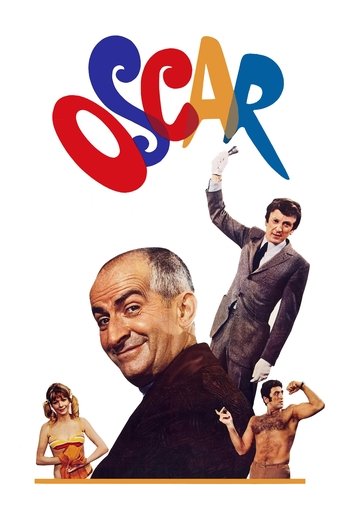
This film originated as a play in Paris. The story focuses on the one-day adventures of Bertrand Barnier played with a genius of French cinema, Louis de Funes. In the same morning he learns that his daughter is pregnant, an employee stole a large amount of money from his company, his maid is about to resign in order to marry a wealthy neighbor and his body builder is interested in marrying his daughter. The seemingly complicated story-line is full of comedy or errors and some of the most hilarious mime scenes of the French cinema.
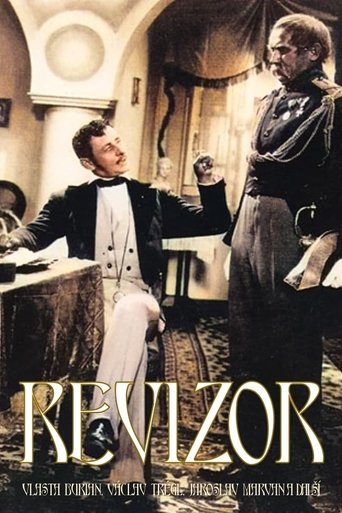
Vlasta Burian appears in a town of Czarist Russia impersonating an Inspector General, and he is entertained lavishly by the local political-hacks and peasants seeking his favor for whatever they are advocating or need fixed. Burain is involved in a series of comical situations as he takes everything he can gets his hands on while the peasants, who must plead for the betterment of their conditions, are left on the outside-looking-in. He makes his escape just as the real Inspector General is set to appear, but those-in-need will be no better off when the real McCoy shows up then they were with Burian.