

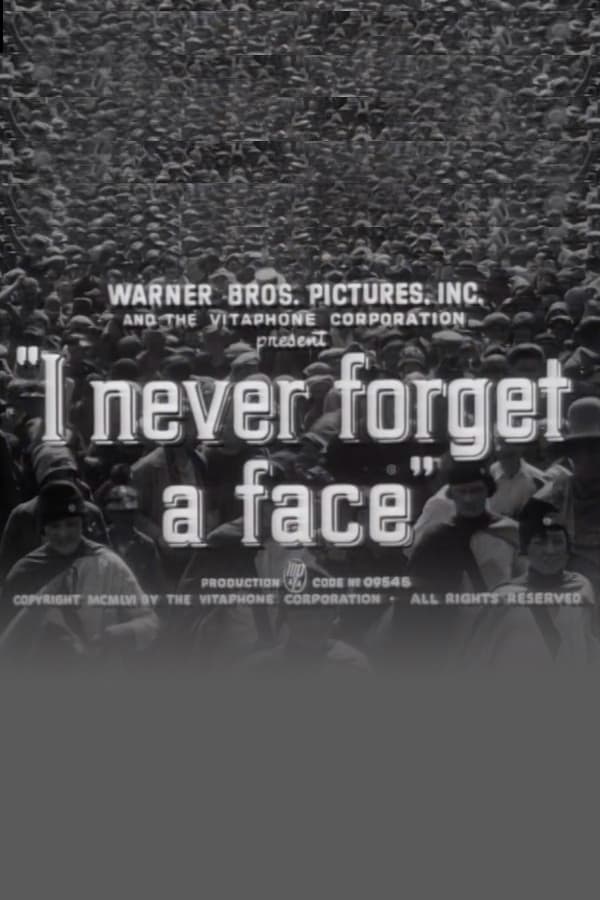
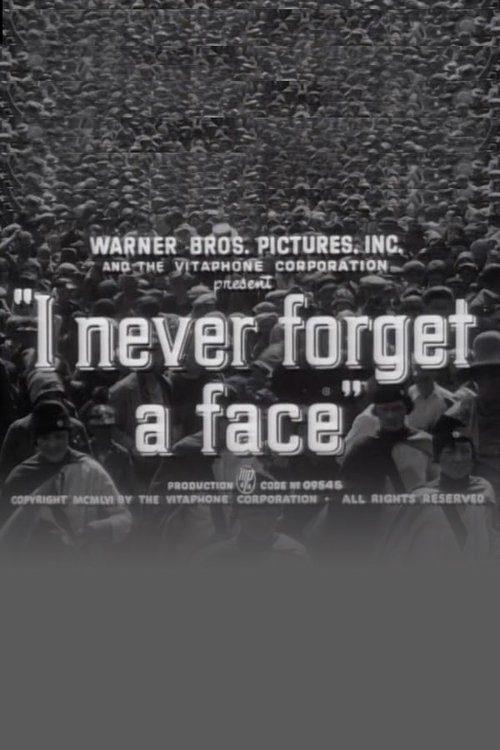
I Never Forget a Face
Documentary
Overview
This Warner Bros. vignette features short snippets about well known people. It includes presidential candidate Warren Harding and his front porch campaign in his home town of Marion, Ohio where Al Jolson sang to the crowd; his successor, Calvin Coolidge; William Jennings Bryan at the 1920 Democratic convention where FDR was selected as the Vice Presidential candidate; the visit of the Prince of Wales; the so-called monkey trial that pitted Clarence Darrow against Bryan; Richard Bird as he trained for his flight over the North Pole; and finally George Bernard Shaw on a visit to America.




Dwight Weist
Dwight Weist
Himself - Narrator (voice)
Dwight Weist
Himself - Narrator (voice)
Ward Wilson
Ward Wilson
Himself - Narrator (voice)
Ward Wilson
Himself - Narrator (voice)
Similar Movies
A detailed account of the life and artistic career of legendary filmmaker Quentin Tarantino, from his early days as a video club manager to the scandalous fall in disgrace of producer Harvey Weinstein. A story about how to shoot eight great movies and become an icon of modern pop culture.
The biography of former Beatle, John Lennon—narrated by Lennon himself—with extensive material from Yoko Ono's personal collection, previously unseen footage from Lennon's private archives, and interviews with David Bowie, his first wife Cynthia, second wife Yoko Ono and sons Julian and Sean.
Jean-Luc Godard is synonymous with cinema. With the release of Breathless in 1960, he established himself overnight as a cinematic rebel and symbol for the era's progressive and anti-war youth. Sixty-two years and 140 films later, Godard is among the most renowned artists of all time, taught in every film school yet still shrouded in mystery. One of the founders of the French New Wave, political agitator, revolutionary misanthrope, film theorist and critic, the list of his descriptors goes on and on. Godard Cinema offers an opportunity for film lovers to look back at his career and the subjects and themes that obsessed him, while paying tribute to the ineffable essence of the most revered French director of all time.
Born in Berlin in 1896, Lotte Eisner became famous for her passionate involvement in the world of both German and French cinema. In 1936, together with Henri Langlois, she founded the Cinémathèque Française with the goal of saving from destruction films, costumes, sets, posters, and other treasures of the 7th Art. A Jew exiled in Paris, she became a pillar of the capital's cultural scene, where she promoted German cinema.
Fifteen time ACM Award winner, acclaimed actor and entertainer Tim McGraw is handpicking the hottest music of summer and calling on his friends to help kick off the 2013 touring season. The two-hour star-studded concert event will feature performances and collaborations from country, pop, rock and more, as well as a few surprise special guests from the worlds of film and television. All proceeds will benefit ACM Lifting Lives, the charitable arm of the Academy, and an organization that McGraw was closely affiliated with over his last tour.
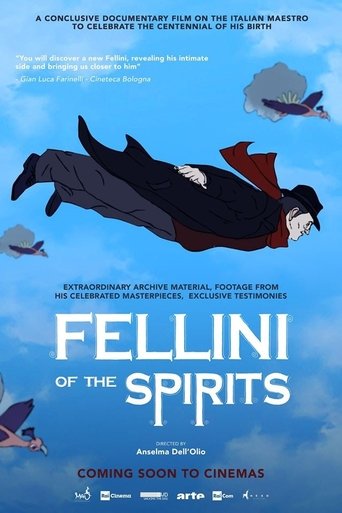
2020 marks 100 years since the birth of Federico Fellini, the most prominent Italian director and one of the symbols of the insuperable cinematic heyday of mid-20th century. Fellini had always been a mysterious director, not only in his cryptic symbolism but also in his idiosyncratic, excessive mixture of psychoanalysis, Catholicism and faith in the mysterious. In this documentary, his relationship with the paranormal, luck and fate, alongside the coexistence of organized discourse and transcendence to the imaginary, is examined via friends, collaborators and distinguished fans (Friedkin, Gilliam, Chazelle). A great testimony to why rationalists and ideologists have a hard time with his work, ‘Fellini and the Spirits’ is an appropriate yet unexpected tribute.
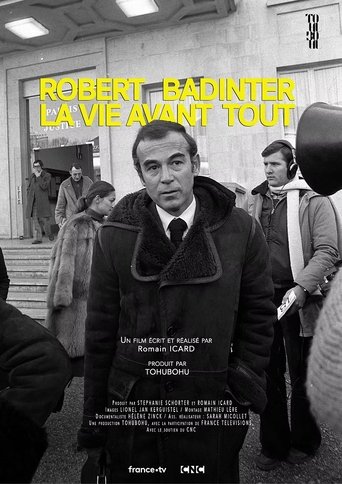
In September 2021, France will celebrate the 40th anniversary of the abolition of the death penalty. A decision so strong that it will symbolize, in itself, the first seven years of François Mitterrand. For Robert Badinter, it was the fight of a lifetime, rooted in a personal history marked by the rejection of injustice, which began after the arrest of his father by the Gestapo in 1943. A story told through archives and by his family and closest friends.