

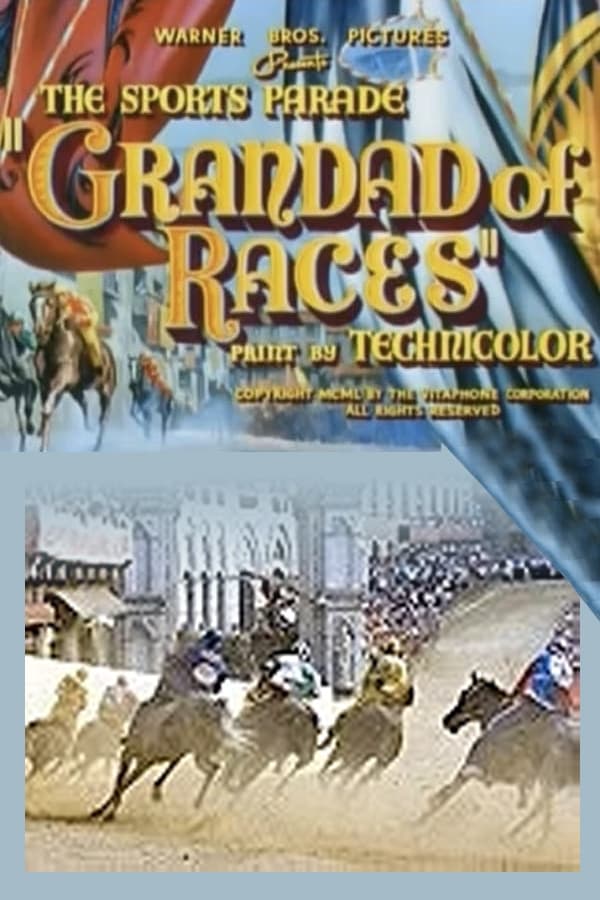
Grandad of Races
Documentary
Overview
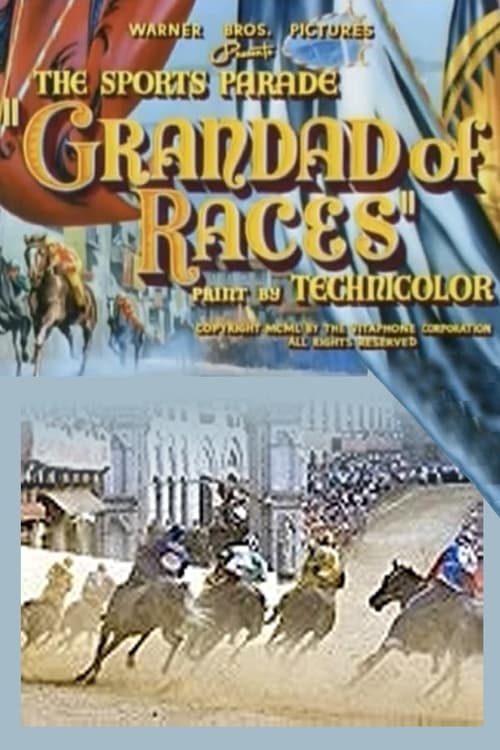
Grandad of Races is a 1950 American short documentary film about the Palio di Siena held in the Piazza del Campo in Siena, directed by André de la Varre. It won an Oscar at the 23rd Academy Awards in 1951 for Best Short Subject.
Top Cast



Art Gilmore
Art Gilmore
Narrator
Art Gilmore
Narrator
Similar Movies
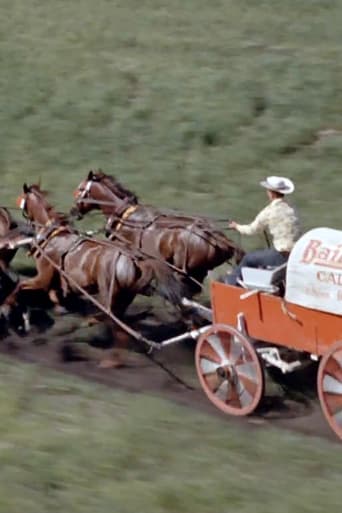
Focusing on the sport of chuckwagon racing at the Calgary Stampede, captured through a mix of aerial, POV, and ringside footage, the film is ahead of its time in the way it captures adrenaline-pumping action. This short documentary offers a ringside view of the chuckwagon race, star attraction of the world-famous Calgary Stampede. Once ponderous Percheron and Clydesdale draught thundered around the course. Now they are racers, and it takes a firm hand to guide such horsepower.
Set in Charles Town, West Virginia, Halter Off offers an unapologetic look at one man's shot at a second chance. Angelo Jackson, a 50-year old horse trainer with a checkered past, is looking to redeem himself after being one charge away from a life sentence in prison. Banned from the track and with the odds against him, Angelo is facing the biggest race of his career against mentor and legendary horse trainer, James W. Casey. As Angelo finds himself downs on his luck and with the system he is working for working against him, he puts it all on the line to win the race of his life.
He was boxy, with stumpy legs that wouldn't completely straighten a short straggly tail and an ungainly gait; though he didn't look the part, Seabiscuit was one of the most remarkable thoroughbred racehorses in history. In the 1930s, when Americans longed to escape the grim realities of Depression-era life, four men turned Seabiscuit into a national hero. They were his fabulously wealthy owner Charles Howard, his famously silent and stubborn trainer Tom Smith and the two hard-bitten, gifted jockeys who rode him to glory. By following the paths that brought these four together and in telling the story of Seabiscuit's unlikely career, this film illuminates the precarious economic conditions that defined America in the 1930s and explores the fascinating behind-the-scenes world of thoroughbred racing. Scott Glenn narrates.
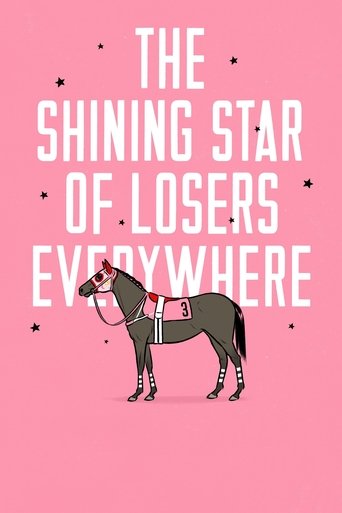
In Japanese, Haru Urara means “Glorious Spring.” But as this 30 for 30 Short, directed by Mickey Duzyj, makes delightfully clear, the name means a great deal more to the Japanese people. Haru Urara was a thoroughbred mare who never won a race. She first came to the public’s attention after her 88th straight loss at troubled Kochi Racetrack, then picked up more and more supporters with each defeat. With her pink Hello Kitty patches, she became a symbol of hope in Japan. And though she never did win, Haru Urara did accomplish something greater: she saved the racetrack.