

Climbing the Matterhorn
Documentary
Overview
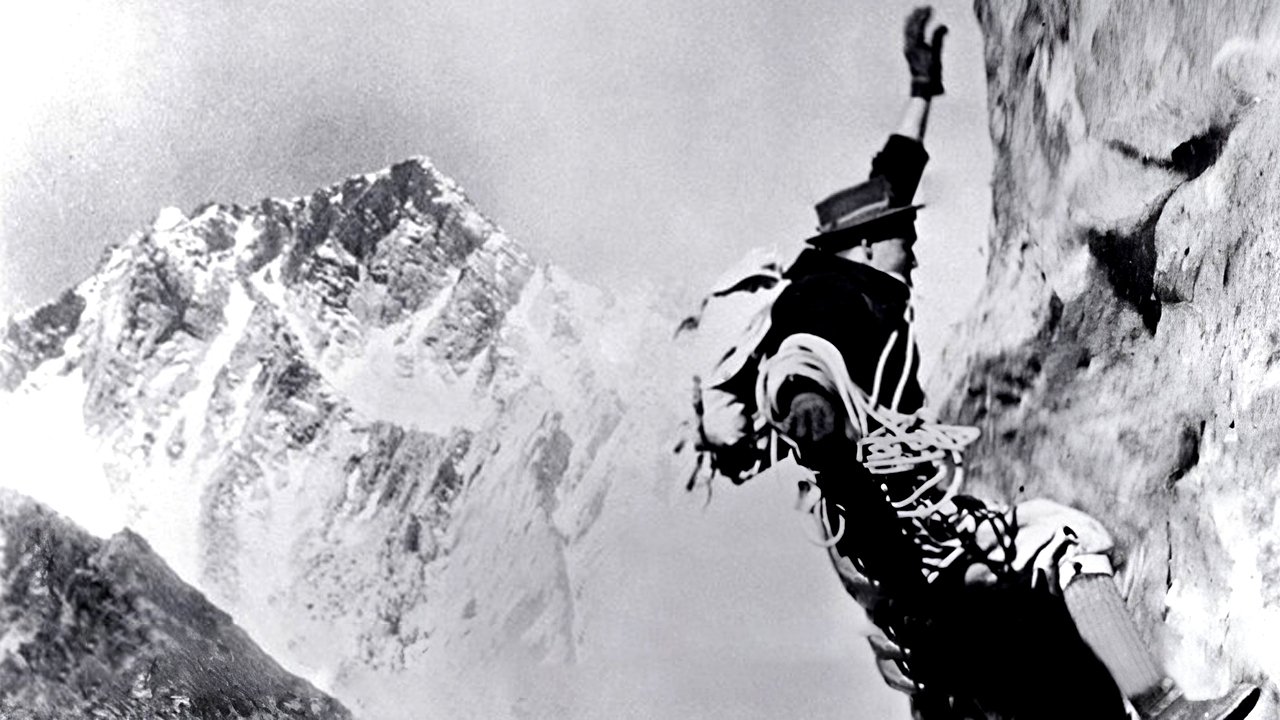
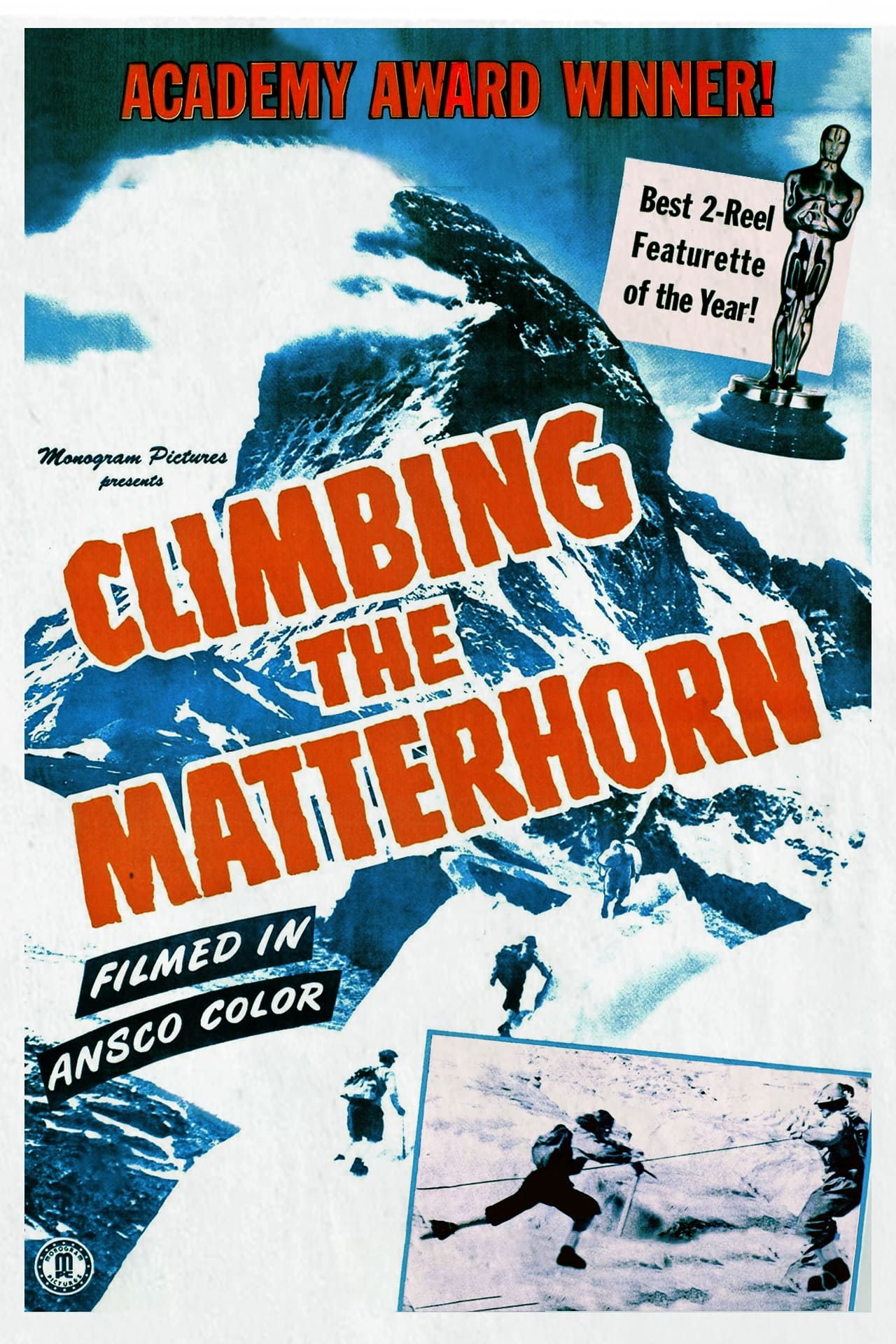
Starting from the Swiss village of Zermatt, two people and a guide make a perilous ascent of the Matterhorn. Local villagers mount a torchlight rescue of a British couple trapped on the famous mountain. Irving Allen shot footage for this documentary while filming his feature film 'High Conquest'. Filmed in Ansocolor, the documentary won the Academy Award for Best Short Film in 1947.
Top Cast




Warren Douglas
Warren Douglas
Narrator
Warren Douglas
Narrator
Similar Movies
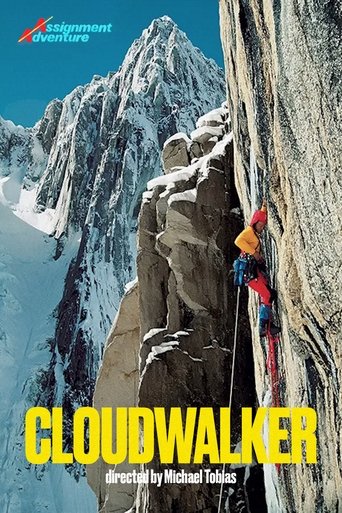
Cloudwalker, the 1985 Banff Mountain Film Festival award-winning mountaineering film, follows Mark Wilford and Jeff Lowe as they prepare to climb a new route on this wild and majestic spire of the Alaska Range's Bear's Tooth South Summit (the south summit of the Mose's Tooth Massif). Featuring inspiring footage of the two climbers at the top of their game honing their mental and physical abilities to prepare for this challenge, then climbing the classic Naked Edge route in Eldorado Canyon, and interviews revealing the inspiring philosophies of two of America's most prolific and talented climbers, Cloudwalker helps preserve and celebrate the culture and heritage of climbing.
The first ascent of the Matterhorn was made on July 14, 1865 by Edward Whymper, Francis Douglas, Charles Hudson, Douglas Hadow, Michel Croz and two guides from Zermatt, Peter Taugwalder father and son. Douglas, Hudson, Hadow and Croz are killed on the descent after Hadow slips and drags the other three men down the north face. Whymper and the two Taugwalders, who survive, are later accused of having cut the rope that connected them to the rest of the group so as not to be dragged into the fall, but the ensuing investigation finds no evidence of their guilt and they are acquitted. The Matterhorn is the last great peak in the Alps to be conquered and its ascent marks the end of the golden age of mountaineering. One hundred and fifty years later, a team undertakes the same expedition in order to unravel the mystery.
The epic 1500km bivouac flight of Damien Lacaze and Antoine Girard, two French paragliders and mountaineers, through the heart of the Himalayas and the Karakoram ranges. This journey is actually a prelude and acclimatization for their attempt to climb Spantik (7027m) from the nearest town in two days, using only paragliders. Is it truly feasible? What are the limitations of such an ascent? Can they earn a living from it?
The documentary film Art of Freedom answers the most poignant questions on the phenomenon of Polish expeditions to the Himalayas. Poles have reigned the highest mountaintops of the world for more than 20 years. They not only set down new trails, but new rules of behavior. They set themselves apart with an original style of climbing, endurance, conscientiousness about the overall well-being of the team - and solidarity.
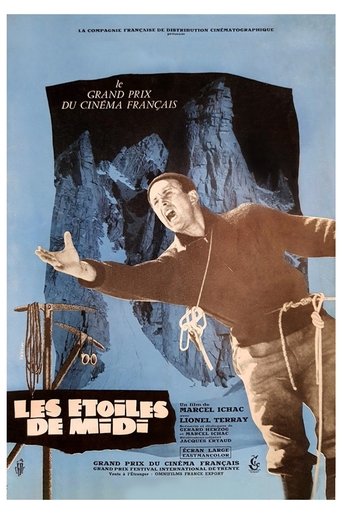
Les Etoiles de Midi is an engaging docudrama about some of the more spectacular exploits of French mountain climbers over the last several decades. In one re-enacted story, there is a wartime escape through the mountains, and in another, a daring rescue of a pair of climbers who had been missing. The actors themselves are adept at the sport of climbing, and they give the scenes an immediacy and real daring that brings the stories alive. A combination of their acrobatics and skill and the outstanding episodes in the history of French climbing creates a winning 78 minutes.
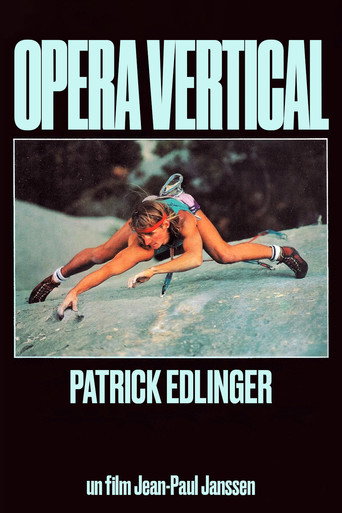
Vertical Opera is a documentary film directed by Jean-Paul Janssen, with climbers Patrick Edlinger and Jean-Paul Lemercier in the Gorges du Verdon. The film opens with a training sequence of Patrick Edlinger then he links the routes with Jean-Paul Lemercier "L'Ange en décongelation" (7a), in which he falls voluntarily to demonstrate the usefulness of the rope, then "Le Septième Saut" (7b+). Finally, the final scene, an anthology, consists of a close-up of Edlinger who climbs free solo and barefoot the route "Débiloff", still in the Verdon, above hundreds of meters of void, all to lyrical music. It is "Wie Furchtsam Wankten Meine Schritte", the aria for alto voice from Johann Sebastian Bach's cantata BWV 33, music not unrelated to the subject of the documentary: "How faltering and fearful my steps were".