

Interim
Drama · Romance
Overview
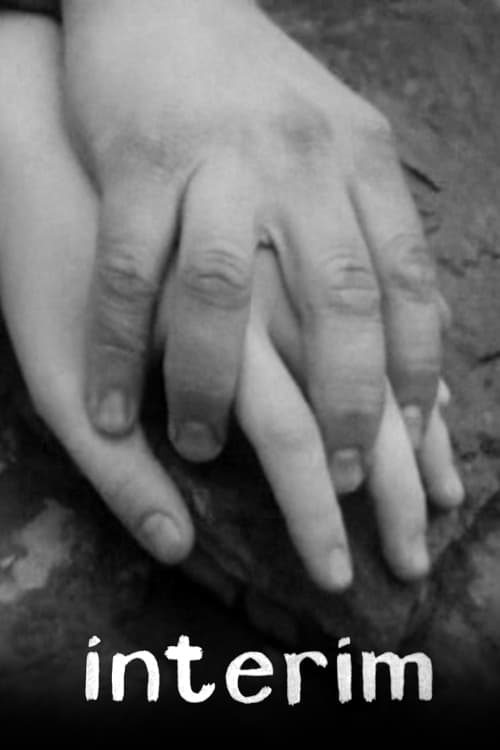
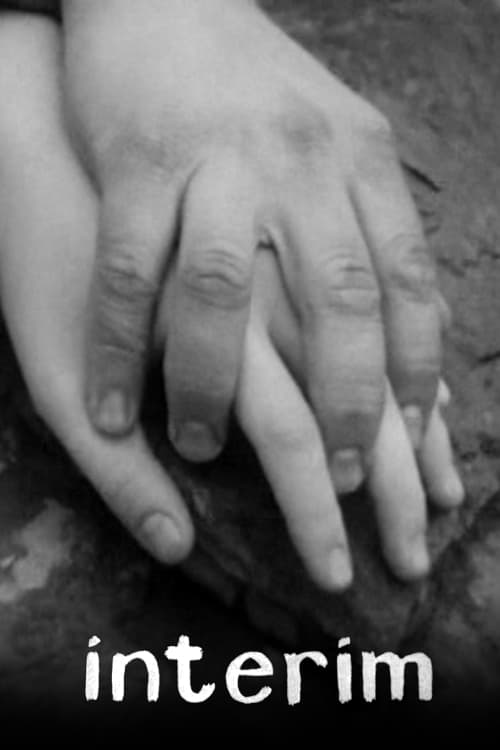
A young man meets a young woman under a bridge by a railroad. They shelter from the rain and exchange a kiss. The man grows sullen and leaves. The film starts with him and ends with her. It’s a straightforward anecdote told in traditional ways, the likes of which he’d forsake forever; that is, it uses actors, a soundtrack with music and post-dubbed sound effects, a photographer who frames everything professionally and a coherent edited narrative.
Top Cast










Walter Newcomb
Walter Newcomb
Him
Walter Newcomb
Him
Janice Hubka
Janice Hubka
Her
Janice Hubka
Her
Similar Movies
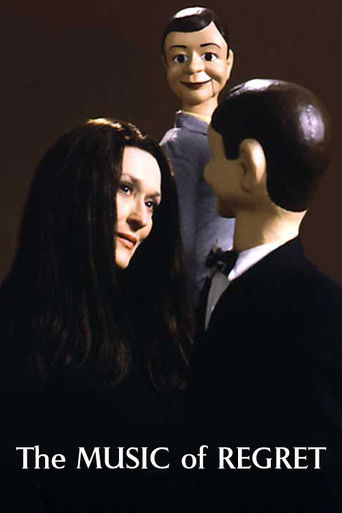
Simmons, best-known for her photographs of miniature rooms populated by dolls and of oversized objects—such as a house, birthday cake, and pistol—balanced on female legs, both human and fake, brings these characters to life in a three-act mini-musical. The film is inspired by three distinct periods of Simmons’s photographic work: vintage hand puppets, ventriloquist dummies and walking objects enact tales of ambition, disappointment, love, loss, and regret. Working with composer Michael Rohaytn ("Personal Velocity") and cameraman Ed Lachman ("The Virgin Suicides" and "Far From Heaven"), Simmons’s puppets come to life in miniature domestic scenes that echo real life.
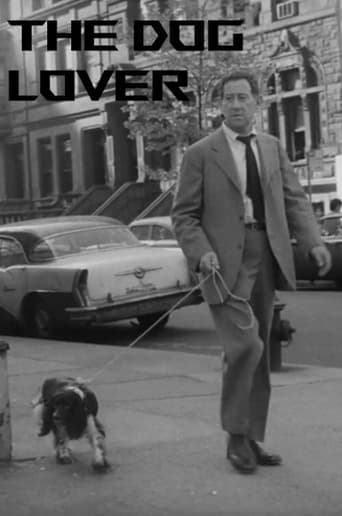
Jack is the fastidious manager of a local supermarket. The harmless but disruptive actions of his customers frequently give him headaches, which he remedies by holding a can of frozen juice against his forehead. At home, however, Jack is consistently kind, loving, and patient with his wife and daughter. One day the child brings home a stray dog, and his life is turned upside down.
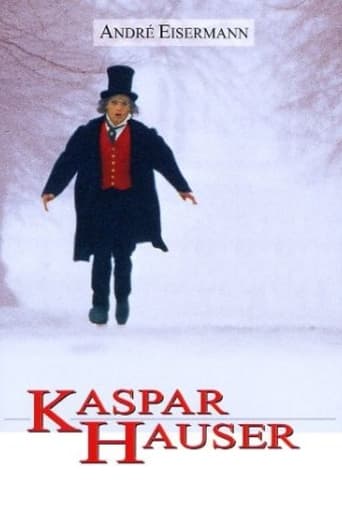
In May 1828, a feral boy aged around 16 was found in Nuremberg. Kaspar Hauser, as he is called, can only speak a few indistinct words and knows nothing about his origins or family. The film depicts the - presumed - circumstances under which Hauser was held captive in complete isolation in a hiding place from infancy onwards. From this emerges the picture of an intrigue involving high circles of aristocratic society. Five years after his liberation, in December 1833, Kaspar Hauser died as a result of a stab wound inflicted by an unknown perpetrator.
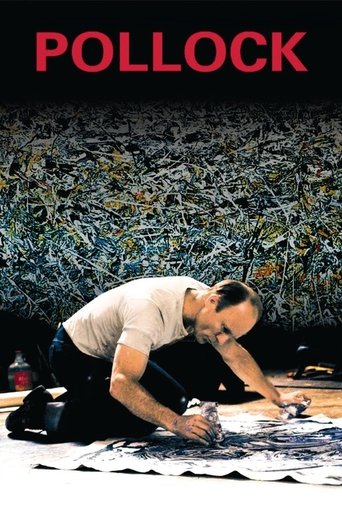
In August of 1949, Life Magazine ran a banner headline that begged the question: "Jackson Pollock: Is he the greatest living painter in the United States?" The film is a look back into the life of an extraordinary man, a man who has fittingly been called "an artist dedicated to concealment, a celebrity who nobody knew." As he struggled with self-doubt, engaging in a lonely tug-of-war between needing to express himself and wanting to shut the world out, Pollock began a downward spiral.

The film takes place away from the glittering strip of mega casinos, but the greed of Sin City is just as pervasive on the desert outskirts. This is where a happy family learns of a forgotten fortune that may be buried beneath their home. Their lives are turned upside down. A sophisticated study of just how far people are able and willing to go if faced with the tempting prospect of easily acquired wealth.