

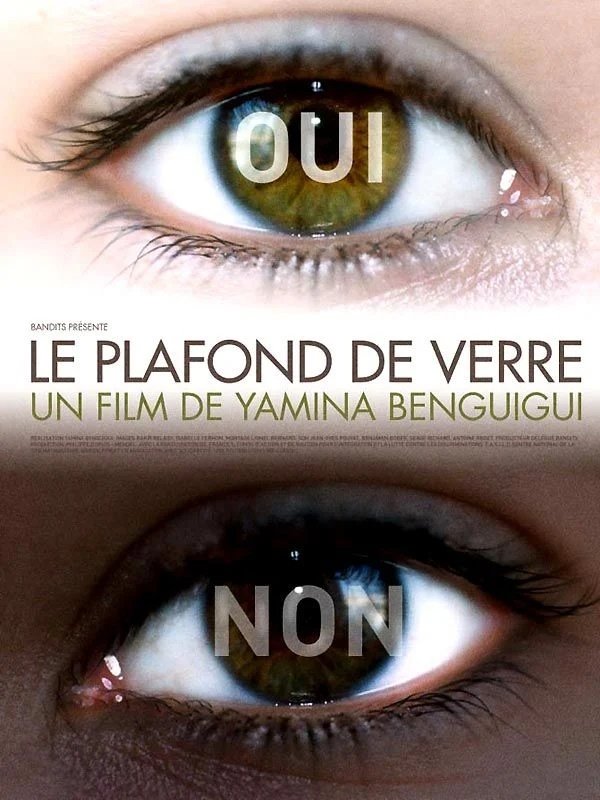
Le plafond de verre
Documentary
Overview
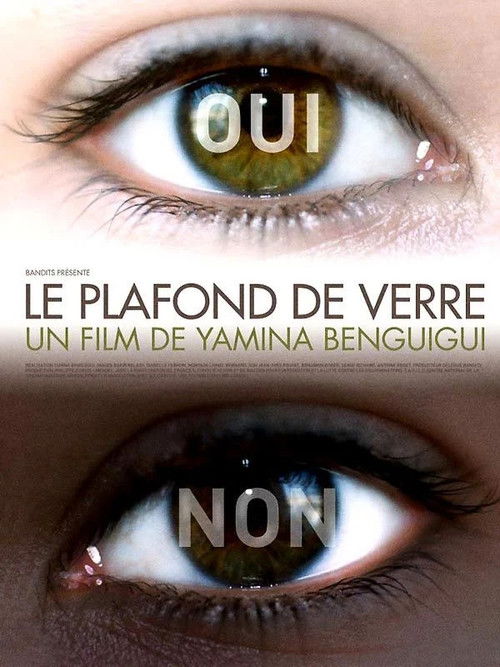
This is the story of the few people who went ahead, beyond racial prejudice. And their struggle to open the workplace to other people.






No cast information.
Similar Movies
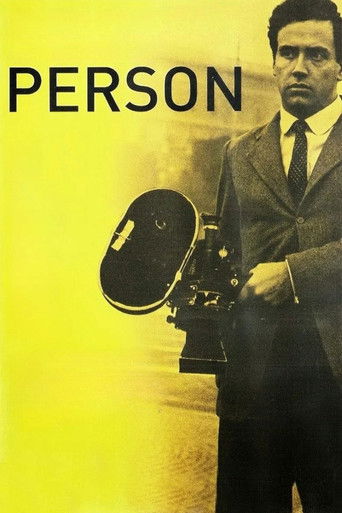
Person is a documentary about the life and work of filmmaker Luiz Sérgio Person. The documentary brings the reconstruction of the history of the São Paulo filmmaker through the personal journey of his daughter, Marina. Through interviews with friends, family, and people who worked with Person, she seeks to discover more than dates and biographical data.
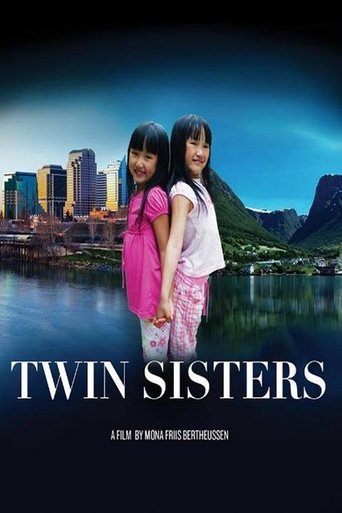
In 2003, the infant Chinese twin sisters Mia and Alexandra were found in a cardboard box. They ended up in an orphanage and were put up for adoption, at which time the authorities apparently decided that it was a good idea to separate them, and to keep silent about the fact that they were twins. Twin Sisters tells their story from the perspective of both sets of adoptive parents: one from Sacramento, California, the other from a tiny village in picturesque Norway. Through a series of coincidences that they later attribute to fate, the parents meet each other during the adoption procedure in China and launch an investigation that reveals the little girls are sisters.
FAR FROM POLAND is probably the first American non-fiction film (Godmilow calls it a "drama-tary") to explode cinema verite's mythic claim to be the only trustworthy mode of representation for discussing the real world, and in particular, social and political issues, on film. Refused a visa to travel to Poland, "Jillski" (her Polish nickname in the film) has to literally re-invent the documentary to deal with the Polish situation and she does so with a particular eye to deconstructing not only documentary's specific claims to objectivity, but also the bourgeois audience's desire to sit comfortably in their seats, feel compassion, feel themselves part of the solution (not part of the problem) by having felt compassion for the poor oppressed Poles, who, Godmilow would argue, are far more acutely aware of their situation and what forces oppress them than the liberal American folk in the movie house.
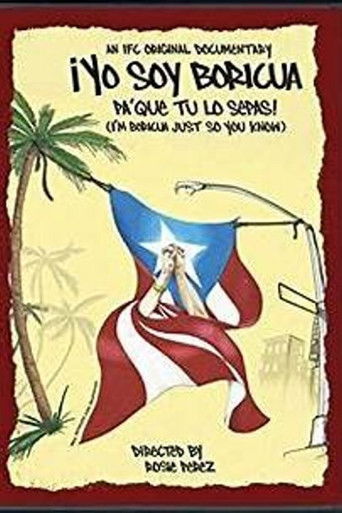
Actress Rosie Perez makes a stunning directorial debut in this heartfelt tribute to Puerto Rican pride. She takes an in-depth look at the complex and often controversial history of Puerto Rican-U.S. relations. By turns shocking and celebratory, this wide-ranging documentary examines such rich themes of the Puerto Rican experience as family, language, and racism, all with careful consideration of historical context.
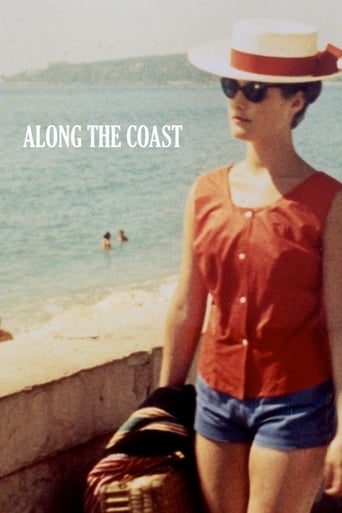
Tongue-in-cheek look at the French Riviera, especially in summer when it overflows with tourists. Reviews its history and famous visitors; displays its faux-exotic buildings, its crowded beaches, its trees and monuments; and, pokes fun at the colors women wear and the vagaries of fashion. The film celebrates the use of "Eden" as a place name, suggesting that paradise comes to the coast after all are gone, perhaps only on a remote island beach.
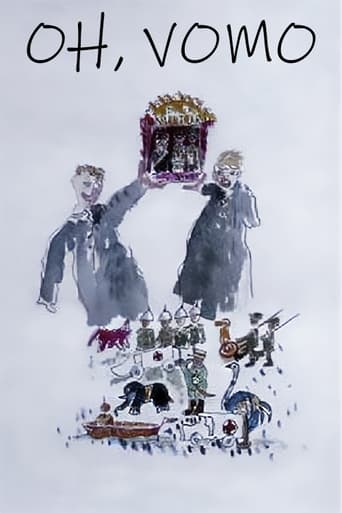
After Prisoners of the war and On the Heights all is Peace, this film concludes Yervant Gianikian and Angela Ricci Lucchi's trilogy on the first world war. From the emblem of totalitarianism to individual physical suffering, the directors use this representation of man's rampaging violence to draw up an anatomical inventory of the damaged body and examine the consequences of the conflict on children, from 1919 to 1921. From the deconstruction to the artificial reconstruction of the human body, they try to understand how humanity can forget itself and perpetuate these horrors.
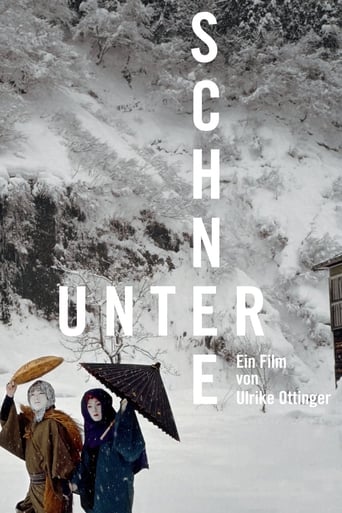
In Echigo, Japan, the snow often lies several feet deep well into May, covering landscapes and villages. Over the centuries, the inhabitants have organised their lives accordingly. In order to record their very distinctive forms of everyday life, their festivals, and religious rituals, Ulrike Ottinger journeyed to the mythical snow country – accompanied by two Kabuki performers. Taking the parts of the students Takeo and Mako, they follow in the footsteps of Bokushi Suzuki, who in the mid-19th century wrote his remarkable book “Snow Country Tales”.

In this entrancing documentary on performance artist, photographer and underground filmmaker Jack Smith, photographs and rare clips of Smith's performances and films punctuate interviews with artists, critics, friends and foes to create an engaging portrait of the artist. Widely known for his banned queer erotica film Flaming Creatures, Smith was an innovator and firebrand who influenced artists such as Andy Warhol and John Waters.