

By the Lake
Documentary · Animation
Overview
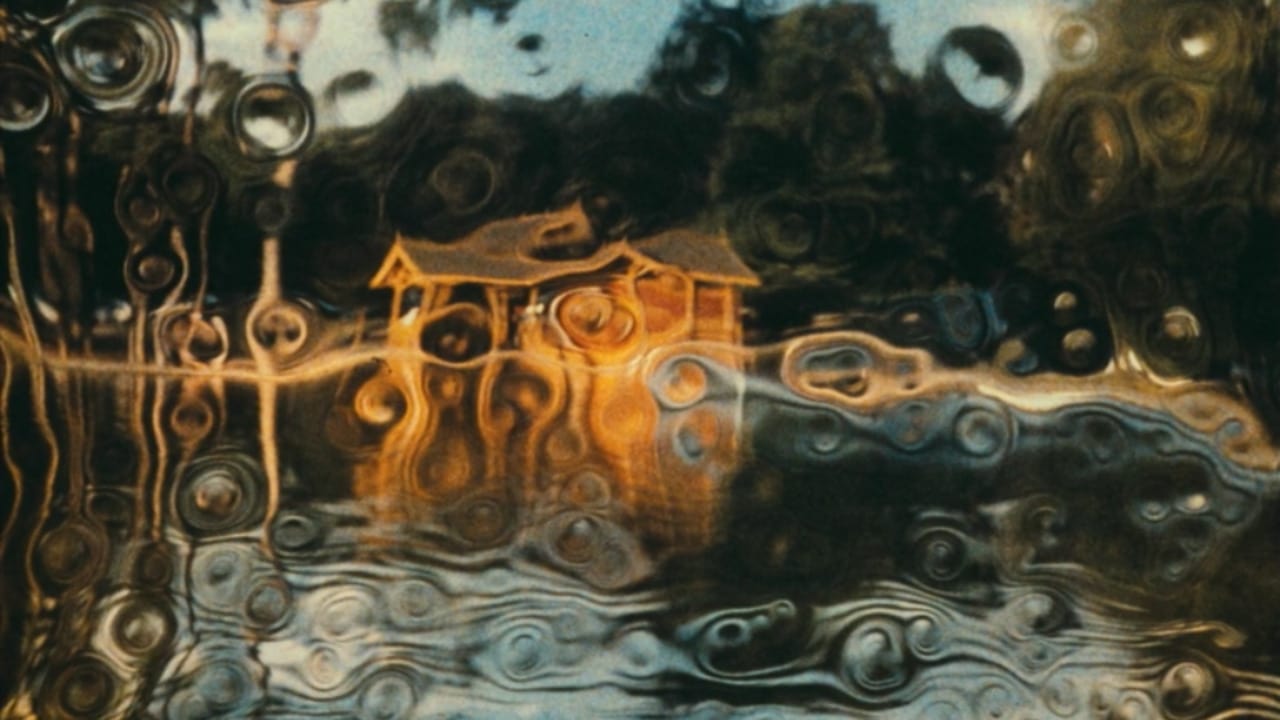
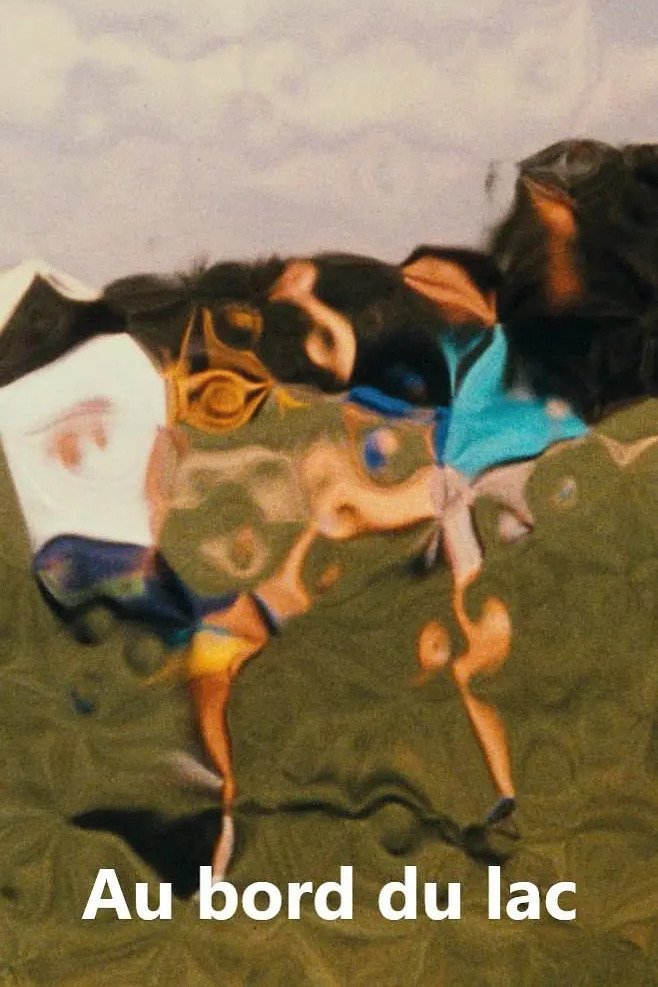
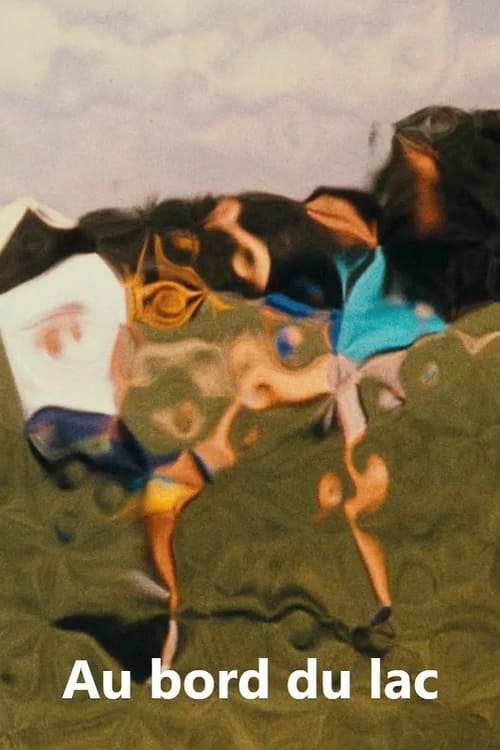
Bokanowski returns to the complex - and mind-bending - optical array of pinholes, mirrors, prisms, and refractive substrates of his earlier film, La Plage to create the whimsical and playful Au bord du lac. The film is composed of mundane, everyday scenes of recreation and leisure on an idyllic, sunny day at a park that overlooks a lake - rowing a boat, playing a game of volleyball, rollerskating, bicycling, reading a newspaper, sunbathing, riding on horseback, or strolling on the promenade - shot through optical distortions to create fractured and knotted images that resemble embellished, gothic fairytale illustrations or appear to resolve into morphing, geometric patterns of fluid motion. Evoking the vibrant colors and sun-soaked palette of an invigorated Vincent van Gogh in Arles, Bokanowski transforms the quotidian into an infinitely mesmerizing dynamic kaleidoscope of shape-shifting textures and self-reconstituting objects of organic, abstract art.






No cast information.
Similar Movies
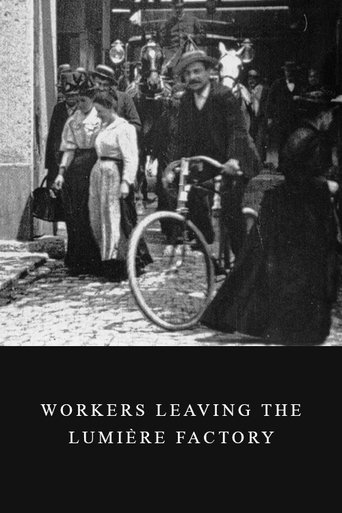
Working men and women leave through the main gate of the Lumière factory in Lyon, France. Filmed on 22 March 1895, it is often referred to as the first real motion picture ever made, although Louis Le Prince's 1888 Roundhay Garden Scene pre-dated it by seven years. Three separate versions of this film exist, which differ from one another in numerous ways. The first version features a carriage drawn by one horse, while in the second version the carriage is drawn by two horses, and there is no carriage at all in the third version. The clothing style is also different between the three versions, demonstrating the different seasons in which each was filmed. This film was made in the 35 mm format with an aspect ratio of 1.33:1, and at a speed of 16 frames per second. At that rate, the 17 meters of film length provided a duration of 46 seconds, holding a total of 800 frames.