

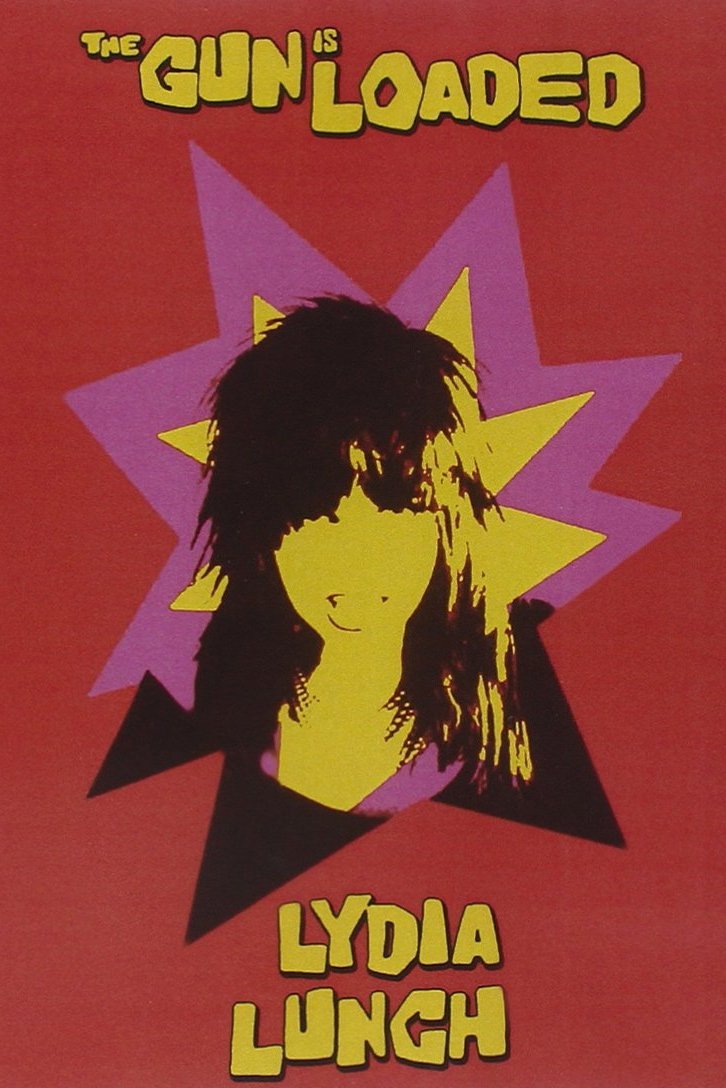
The Gun Is Loaded
Music
Overview
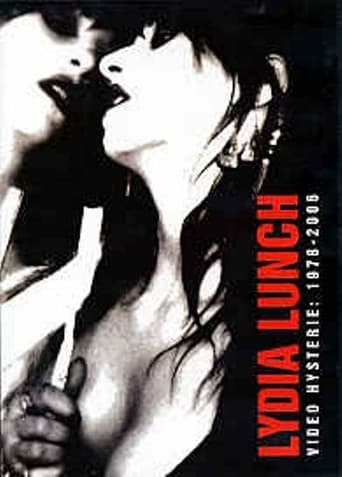
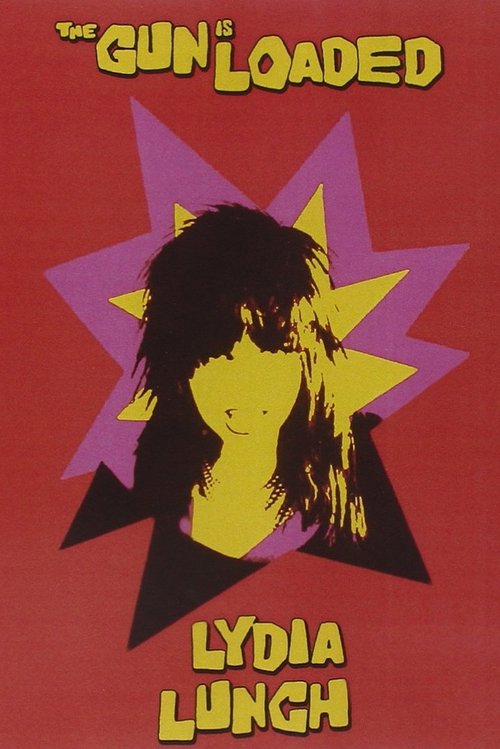
At the end of the Reagan years, rocker and confrontational performance artist Lydia Lunch launches a broadside. From a formal podium, she attacks the white male power structure of the US. Next she takes on her parents. Then, the volume lowered and the background the streets of New York, she lets us know what she thinks of life, of herself, and of us, anyone who's watching or listening. Life is depression, despair, and death. She's the girl next door gone bad. And us? Compliant sheep. Lunch lays out a challenge.
Top Cast



Lydia Lunch
Lydia Lunch
Herself
Lydia Lunch
Herself
Similar Movies
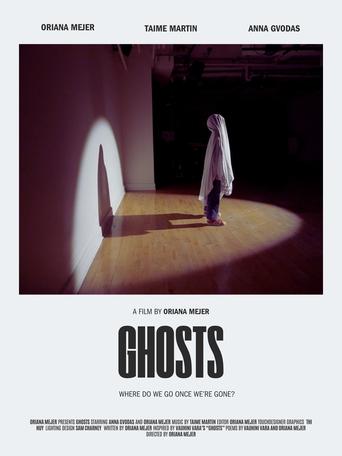
Energy cannot be created or destroyed. When we die, where does our energy go? Inspired by Vauhini Vara's essay "Ghosts", in which she prompted Al to help her write about her sister's passing, "GHOSTS" takes us on the emotional journey of grief. We see a ghost figure trying to get through to her sister, who is still alive, and let her know she's still around somehow. There are two poems in this piece, one is a poem written by GPT 3, and the next is the director's (Oriana Mejer) response to it. This film uses spoken word poetry, TouchDesigner motion graphics, and is originally scored by French musician Taime.
Hum lives in a refugee camp near Hamburg. He loves films and finances his visits to the cinema by selling lost properties from cinema visits in the refugee camp. One day he meets Anna and her friend Ida. At a dinner together in the shared flat of the two, they find out that they all share a love of music. Anna and Ida can sing great together and Hum shares the contact with his friends who play in a band. A timid and touching love story develops between Hum and Anna. Both are looking forward to the first performance of the band, in which Anna now sings. But shortly before the performance, Hum is to be deported. Neither his love for Anna and music nor his imagination can save him from the everyday life of a refugee.
A film that immerses its audience in subjective states of consciousness they might experience when they die, imagining what they can see and think and hear in a seamless but fragmentary flow of poetic images, words and music. The viewer undertakes a journey into their own interior world of dreams and projections in which time and space, and cause and effect logic, are turned on their heads. Text Messages from the Universe is inspired by The Tibetan Book of the Dead, a text which guides souls on their journey of 49 days through the 'Bardo', or intermediate state, between dying and rebirth.