


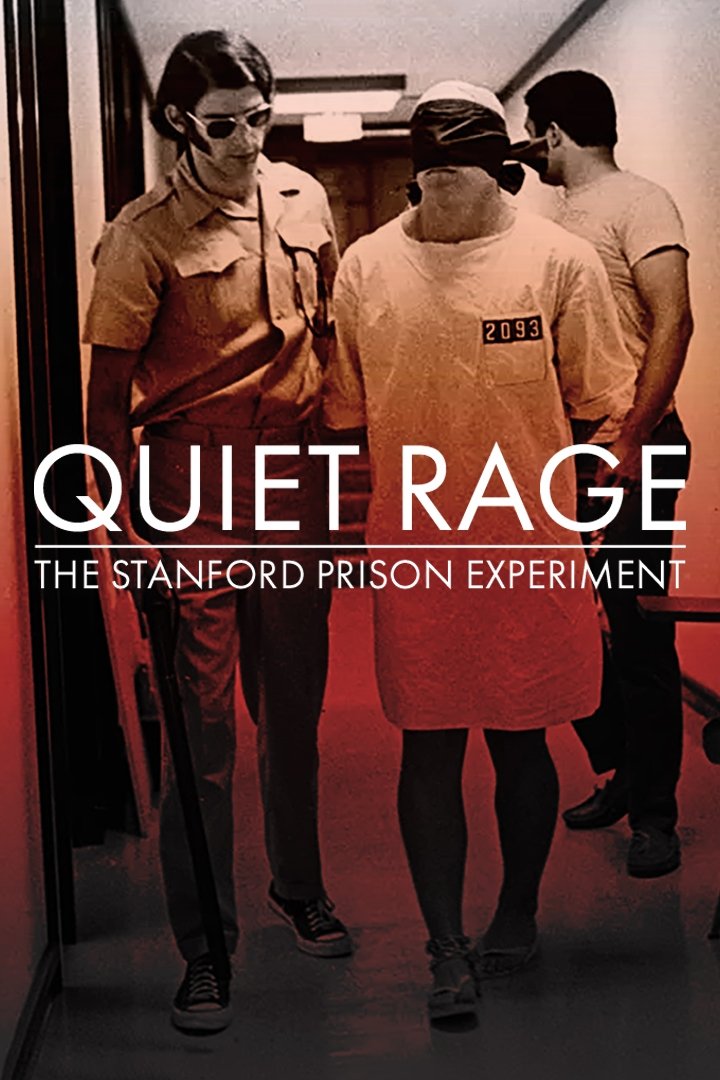
Quiet Rage: The Stanford Prison Experiment
Documentary
Overview
In the summer of 1971, Philip Zimbardo, Craig Haney, and Curtis Banks carried out a psychological experiment to test a simple question. What happens when you put good people in an evil place-does humanity win over evil, or does evil triumph? To explore this question, college student volunteers were pretested and randomly assigned to play the role of prisoner or guard in a simulated prison at Stanford University. Although the students were mentally healthy and knew they were taking part in an experiment, some guards soon because sadistic and the prisoners showed signs of acute stress and depression. After only six days, the planned two-week study spun out of control and had to be ended to prevent further abuse of the prisoners. This dramatic demonstration of the power of social situations is relevant to many institutional settings, such as the Abu Ghraib Prison in Iraq.
Top Cast




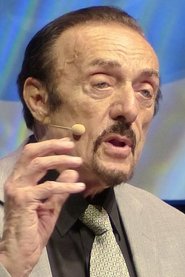
Philip Zimbardo
Philip Zimbardo
Himself
Philip Zimbardo
Himself
Similar Movies

October 7, 2023: Hamas terrorists attack Israel, murder and take hostages. Israel reacts with severity. The goal: the destruction of Hamas. But with the war in Gaza, Israel is awakening the great trauma of the Palestinians: the expulsion of 1948. How can the lack of empathy on both sides be explained?
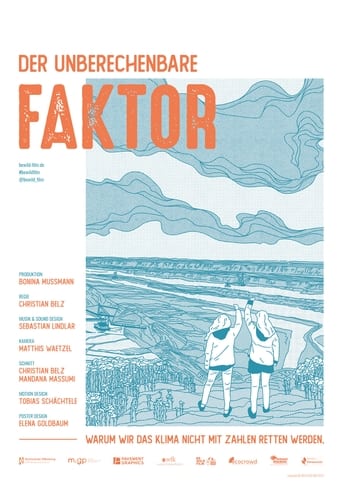
In today's climate debate, there is only one factor that cannot be calculated in climate models - humans. How can we nevertheless understand our role in the climate system and manage the crisis? Climate change is a complex global problem. Increasingly extreme weather events, rising sea levels, and more difficult living conditions - including for us humans - are already the order of the day. Global society has never faced such a complex challenge. For young people in particular, the frightening climate scenarios will be a reality in the future. For the global south, it is already today. To overcome this crisis, different perspectives are needed. "THE UNPREDICTABLE FACTOR" goes back to the origins of the German environmental movement, accompanies today's activists in the Rhineland in their fight against the coal industry and gives a voice to scientists from climate research, ethnology and psychology.
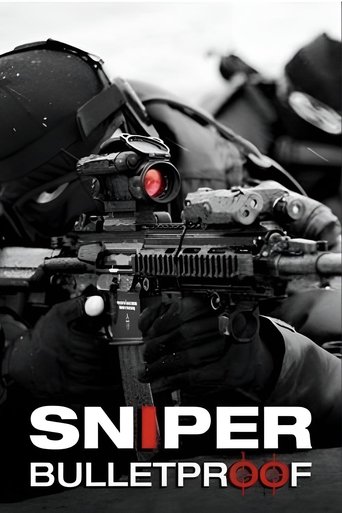
Sniper: Bulletproof deconstructs and analyzes the little-known sniper events that have occurred when no other course of action was possible. The people who planned the takedowns, or pulled the trigger, share their techniques and bring to light the many factors that had to be considered in each mission: terrain, wind speed, temperature, elevation changes... all are critical to taking out targets considered bulletproof. A sniper has one chance, one breath, to rise to the occasion and save the day... if they miss, there may never be another opportunity. As these never told before stories unfold, the viewer also learns about the high-tech gear each sniper carries on their classified missions.
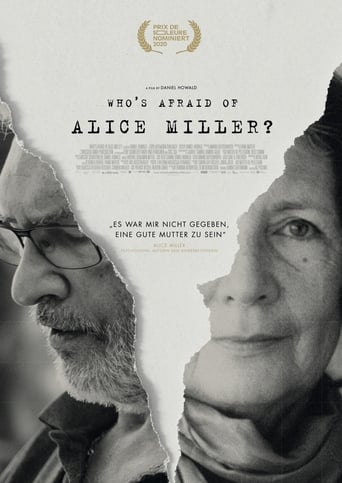
Martin is rejected by his mother with callousness and beaten by his father: a childhood without love. The story sounds like a case study from the book "The Drama of the Gifted Child" by the world-famous Swiss psychoanalyst Alice Miller. But Martin is the son of the committed child rights activist...

A feature length documentary which invites the viewer to rediscover an enchanted cosmos in the modern world by awakening to the divine within. The film examines the re-emergence of archaic techniques of ecstasy in the modern world by weaving a synthesis of ecological and evolutionary awareness,electronic dance culture, and the current pharmacological re-evaluation of entheogenic compounds.
This compelling film represents a rare record of an original genius. In Jung on Film, the pioneering psychologist tells us about his collaboration with Sigmund Freud, about the insights he gained from listening to his patients' dreams, and about the fascinating turns his own life has taken. Dr. Richard I. Evans, a Presidential Medal of Freedom nominee, interviews Jung, giving us a unique understanding of Jung's many complex theories, while depicting Jung as a sensitive and highly personable human being.
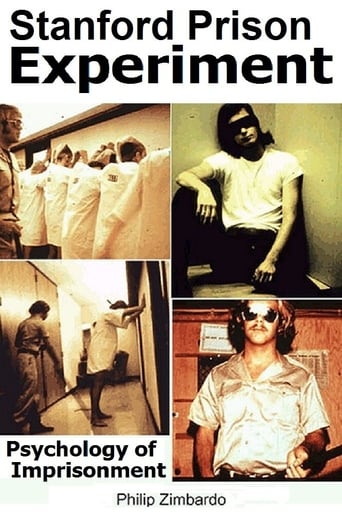
The Stanford prison experiment was a landmark psychological study of the human response to captivity, in particular, to the real world circumstances of prison life, and the effects of imposed social roles on behaviour. It was conducted in 1971 by a team of researchers led by Philip Zimbardo of Stanford University.

Books, apps, coaching sessions: Today, happiness is everywhere. We might think that there is nothing wrong with this common-sense concern. But it’s actually the opposite of social reality. So what lies behind this contemporary obsession with happiness and the billions of euros generated by its industry? Philosophers, sociologists, economists and psychiatrists including Christophe André, Éva Illouz, Martin Seligman and Julia De Funès, confront their point of view and decipher one of the most captivating and worrying phenomena of this early century.
THEY HEARD VOICES is a documentary film exploring the Hearing Voices Movement, chronic psychosis, and the schizophrenia label. The film is a series of wide-ranging interviews with voice hearers, medical historians, anthropologists and psychiatrists from Britain and America, presenting different people’s views. Is schizophrenia hard science or an arbitrary, catch-all term with no real meaning? What does it mean for those experiencing psychosis?