

Come, Come, Come Upward
Drama
Overview
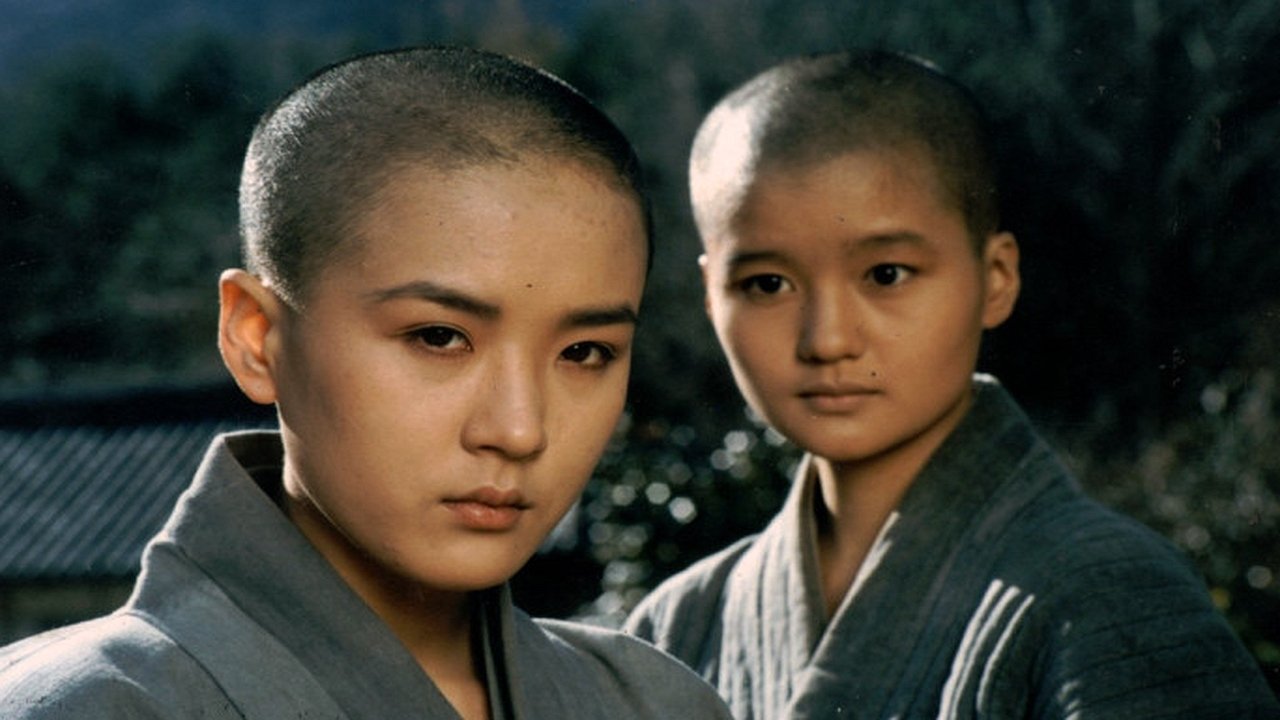
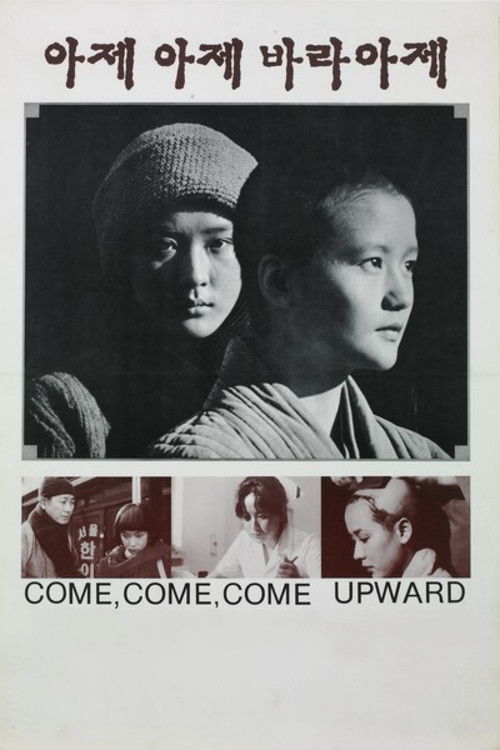
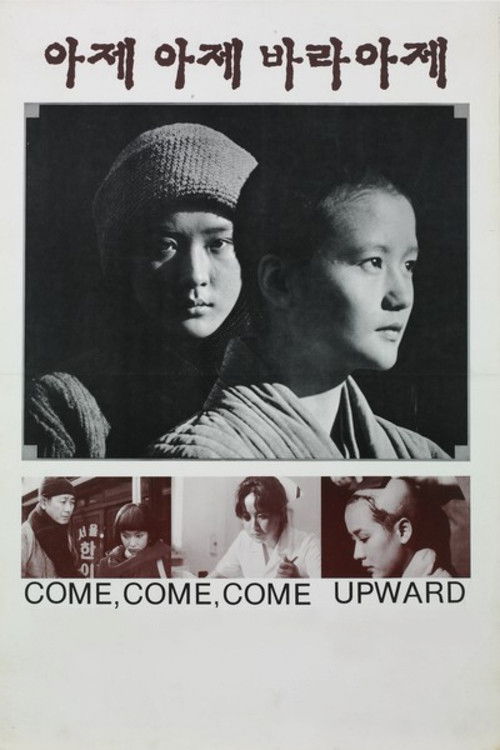
Schoolgirl Sun Nyog suffers from pain and hardships, life and the world around her confuse the girl. Her father, a Buddhist monk, left them, the mother has totally neglected her daughter while her lover harasses the girl. One winter day Sun Nyog goes to the temple. She decides to study Buddhism and is ordained as a nun. In 1989 the film participated in the MIFF competition and won the Bronze St. George for Best Actress.



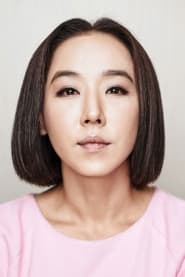
Kang Soo-youn
Kang Soo-youn
Soon-nyeo
Kang Soo-youn
Soon-nyeo
Jin Yeong-mi
Jin Yeong-mi
Jin-sung
Jin Yeong-mi
Jin-sung
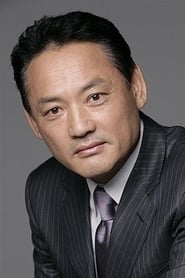
Yu In-chon
Yu In-chon
Hyun-jong
Yu In-chon
Hyun-jong
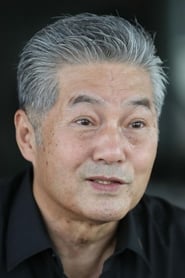
Han Ji-il
Han Ji-il
Park Hyun-woo
Han Ji-il
Park Hyun-woo

Jeon Moo-song
Jeon Moo-song
Monk
Jeon Moo-song
Monk
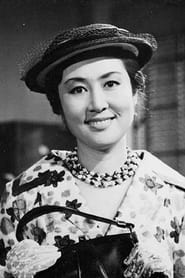
Yoon In-ja
Yoon In-ja
Eun-seon
Yoon In-ja
Eun-seon
Yoon Yang-ha
Yoon Yang-ha
Yoon Yang-ha
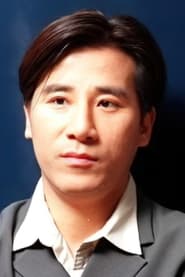
Kim Se-jun
Kim Se-jun
Student
Kim Se-jun
Student
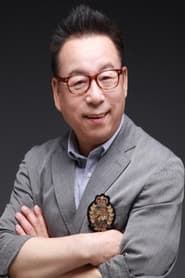
Ahn Byeong-kyeong
Ahn Byeong-kyeong
Driver Song
Ahn Byeong-kyeong
Driver Song
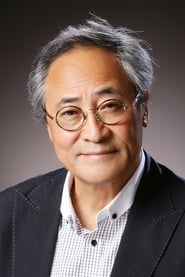
Choi Jong-won
Choi Jong-won
Choi Jong-won
Similar Movies
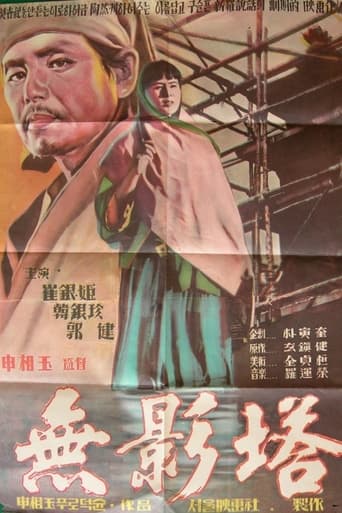
On the eighth of April of King Gyoeng-deok's 10th year of the reign of the Unified Silla Period, Guseulagi, a daughter of Yu Jong, joins the king's parade to Bulguksa Temple, where she meets a stonemason named Asadal from Buyeo. Having a crush on him, she visits Sakyamuni Pagoda, a masonic site; only to find that Asadal had broken down from exhaustion. While she takes care of him, her love for him grows. But Asadal misses his wife who is waiting for him in Buyeo. Meanwhile, Geum Seong who has a crush on Guseulagi, asks his father, Geum Ji, to propose on behalf of him. But Yu Jong is so dissatisfied with Geum Ji because he is a treacherous subject, that he turns down the proposal, instead of hurrying up his daughter's marriage with Gyeongsin, a faithful subject. Asanyeo who has been waiting for her husband Asadal in Buyeo goes to Bulguksa Temple after her father-in-law had died.
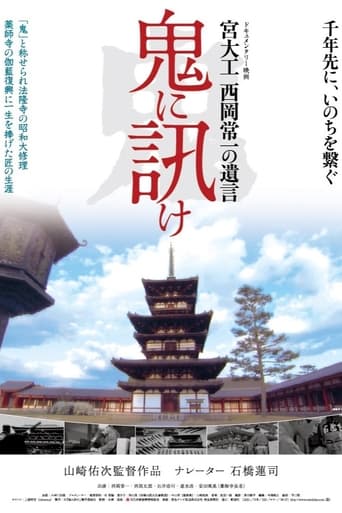
In-depth look at the twilight years, spent training apprentices, of temple builder Nishioka Tsunekazu, who was called the "devil" as he devoted his life to temple architecture. His insistence on the gargantuan timescale of linking life to the next millennium emerges from people who knew him. Remarkable as well for showing the unknown backstage of temple architecture. Nishioka, known as "the last temple carpenter," handled the major Showa-era repairs of Horyuji temple, and in 1990 was at the scene of the reconstruction work for Yakushi temple.
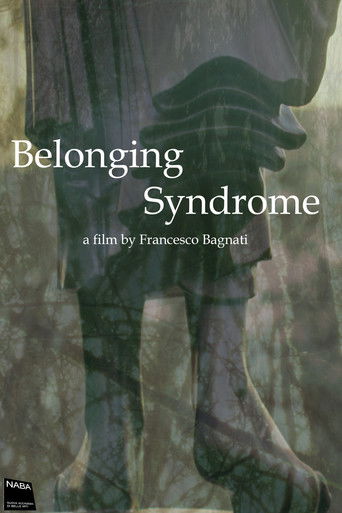
Belonging Syndrome is a short documentary that follows Duang, a second-generation Italian-Thai girl. Duang, during a period of stay in a monastery. Through her inner diary, the film explores a suspended phase of life: the one in which identity it is not yet defined and belonging becomes an open question. The monastery becomes the physical and symbolic place where Duang observes herself. Immersed in a daily life marked by rituals, silences and repeated gestures, the protagonist goes through an experience of deep listening, in which time slows down and perception is refined. Belonging Syndrome talks about hybrid identities, cultural legacies that coexist without completely merging, the difficulty and possibility of inhabiting multiple worlds without having to choose just one. It is an intimate and contemplative story about the search for balance in a fragile and open phase of existence.
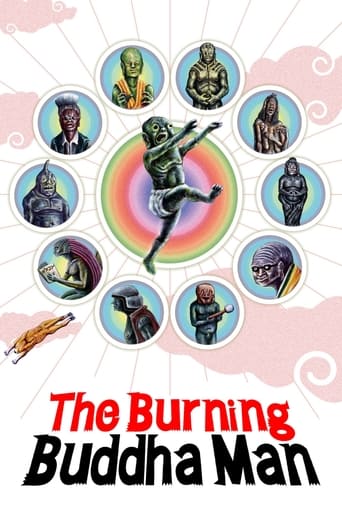
There is a series of Buddha statue thefts in Kyoto. Beniko, a high school girl, gets the Buddha statue at her family's temple stolen and has her parents killed at the same time. She needs to know what caused the death of a parents and dreams of revenge. She goes on a fantastical journey to ultimately face the demon. The entire film is produced by hand drawing all the gods 'manifesto animation' or 'gekimation' based on the amazing hand drawings.