


O Outro Lado do Arco-íris
Adventure · Action
Overview
Carica is only seven years old and wants a bicycle for Christmas. But his family has no money and offers him a book. The grandfather tells him the story of the pot of gold at the end of the rainbow. On the first day of rain and sun, Carica embarks on adventure.
Top Cast
João Miguel Direitinho
Carica

Nicolau Breyner
Grandfather / Vagabundo

Francisco Salgado
Bandido Zarolho
Ana Meira
Mãe do Carica
Jorge Baião
Pai do Carica
Alexandra Espiridão
Professora

Luís Figo
Pistoleiro de Água
Nuno Coelho
Ladrão de Laranjas
Maria Marrafa
Lavadeira
João Ribeiro
Homem da Noite
Ângelo Cataina
Irmão de Carica
Francisco Esperança
Irmão de Carica









João Miguel Direitinho
João Miguel Direitinho
Carica
João Miguel Direitinho
Carica
Nicolau Breyner
Nicolau Breyner
Grandfather / Vagabundo
Nicolau Breyner
Grandfather / Vagabundo
Francisco Salgado
Francisco Salgado
Bandido Zarolho
Francisco Salgado
Bandido Zarolho
Ana Meira
Ana Meira
Mãe do Carica
Ana Meira
Mãe do Carica
Jorge Baião
Jorge Baião
Pai do Carica
Jorge Baião
Pai do Carica
Alexandra Espiridão
Alexandra Espiridão
Professora
Alexandra Espiridão
Professora
Luís Figo
Luís Figo
Pistoleiro de Água
Luís Figo
Pistoleiro de Água
Nuno Coelho
Nuno Coelho
Ladrão de Laranjas
Nuno Coelho
Ladrão de Laranjas
Maria Marrafa
Maria Marrafa
Lavadeira
Maria Marrafa
Lavadeira
João Ribeiro
João Ribeiro
Homem da Noite
João Ribeiro
Homem da Noite
Similar Movies
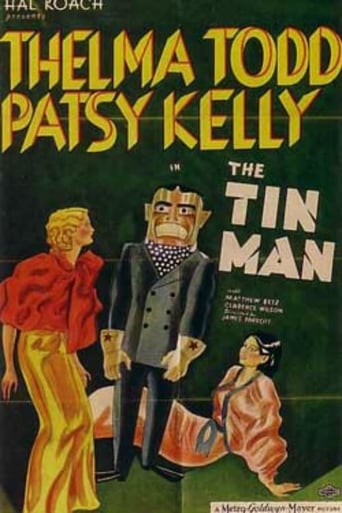
Thelma and Patsy find themselves in a spooky house inhabited by a nut who is a mechanical genius and has made a robot who does everything. The inventor manipulates the robot's control board from a hidden room. The girls are soon in a panic. Patsy gets into an argument with the robot and loses the match of wits. Blackie Burke, an escaped convict, is using the house as a hideout, and this adds to the problems the girls already have.
"Africa Light" - as white local citizens call Namibia. The name suggests romance, the beauty of nature and promises a life without any problems in a country where the difference between rich and poor could hardly be greater. Namibia does not give that impression of it. If you look at its surface it seems like Africa in its most innocent and civilized form. It is a country that is so inviting to dream by its spectacular landscape, stunning scenery and fascinating wildlife. It has a very strong tourism structure and the government gets a lot of money with its magical attraction. But despite its grandiose splendor it is an endless gray zone as well. It oscillates between tradition and modernity, between the cattle in the country and the slums in the city. It shuttles from colonial times, land property reform to minimum wage for everyone. It fluctuates between socialism and cold calculated market economy.
A reel of the Noh drama Momiji-gari, in which Danjuro Ichikawa played opposite Onoe Kikugoro V as an ogress who has disguised herself as the Princess Sarashina. Filmed by Shibata Tsunekichi in the open air on a windy day in November 1899, Danjuro would allow only the one take, so that when his fan blew away in mid-performance the scene had to stay. The film re-emerged at the Kikikan theatre in 1907 where it was a great success and inspired a wave of fiction filmmaking based on traditional Japanese narratives.
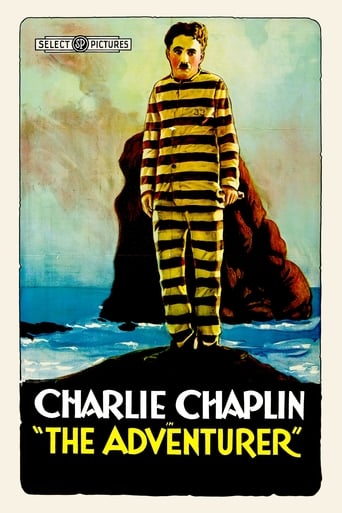
The daring convict no. 23, known as The Eel, escapes from prison and, after mocking his inept persecutors, saves the lives of three people in peril: a beautiful girl, her mother and an annoying suitor, only to get exhausted and almost drowned. Once he regains his strength at Judge Brown's home, he participates on an upper-class social party where he competes with the suitor for the favors of the charming Miss Brown. But prison guards are still after him…