

Song of Norway
Music · Drama
Overview
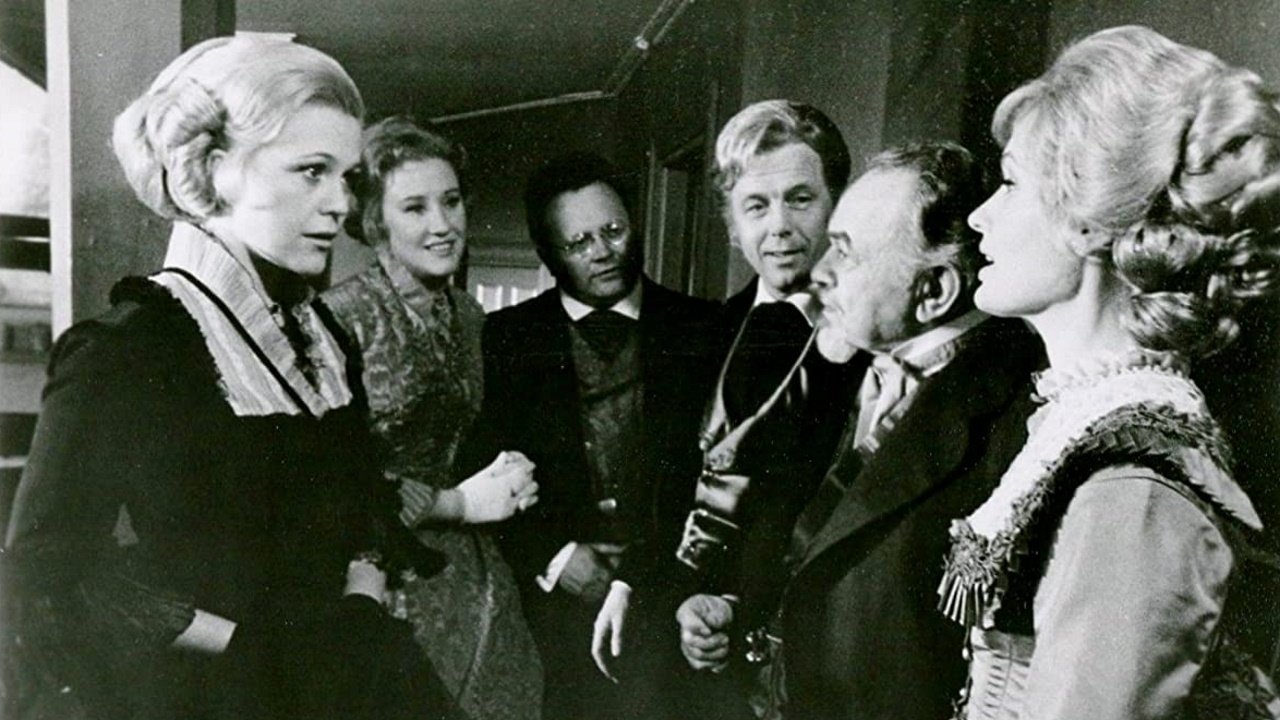
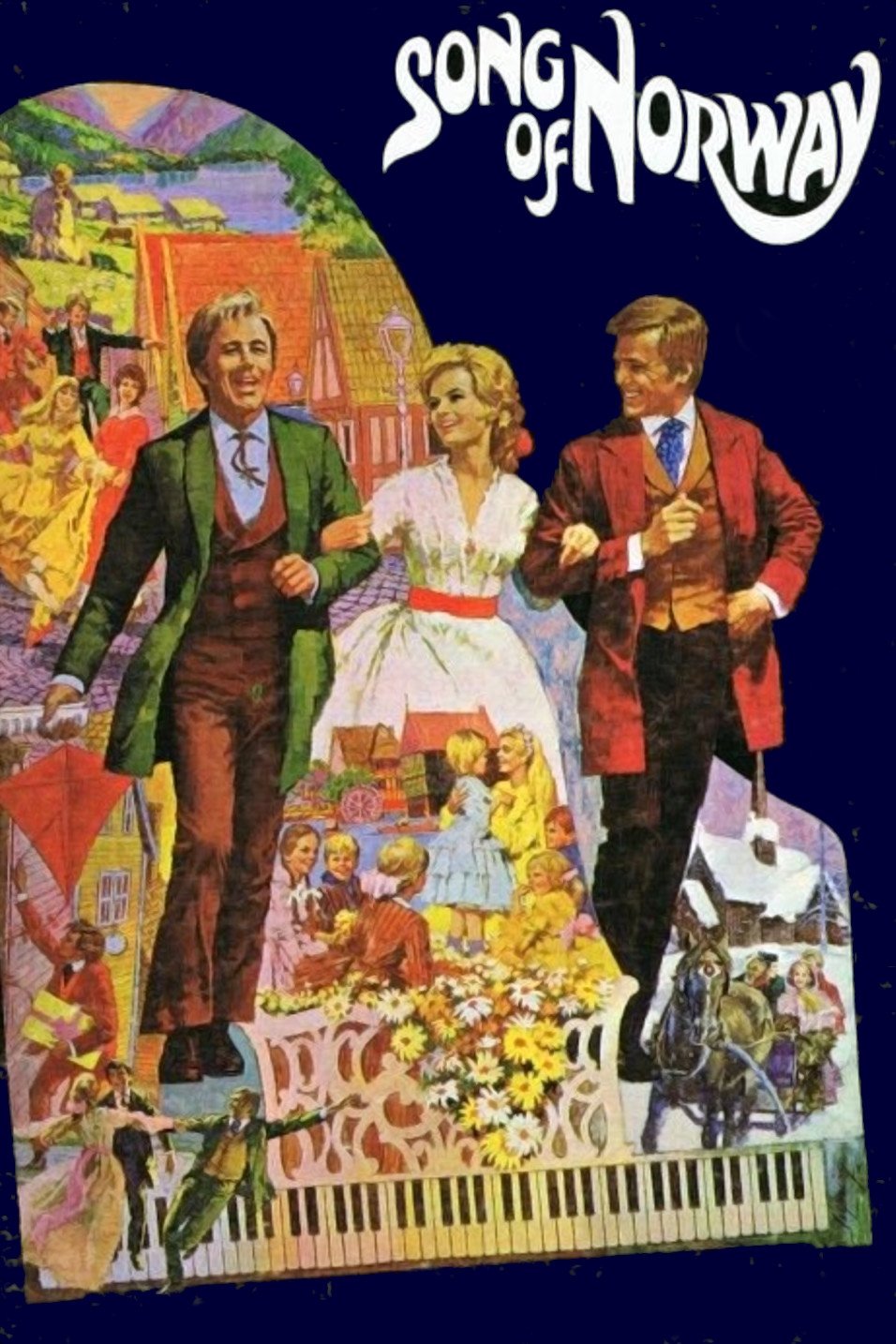
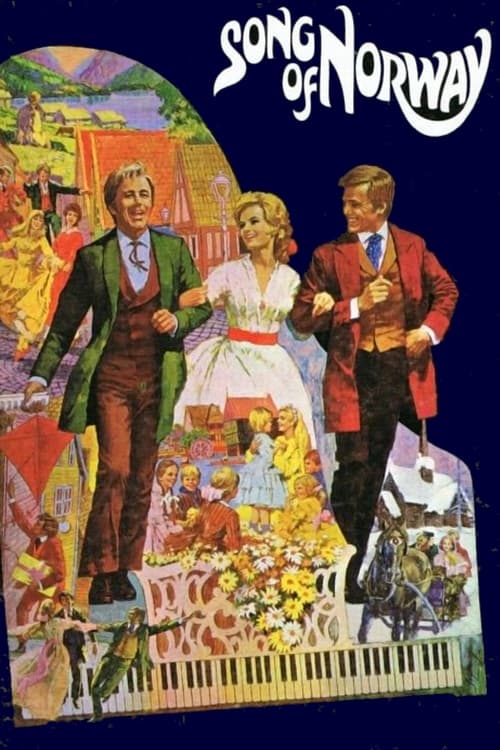
Like the play from which it derived, the film tells of the early struggles of composer Edvard Grieg and his attempts to develop an authentic Norwegian national music. It stars Toralv Maurstad as Grieg and features an international cast including Florence Henderson, Christina Schollin, Robert Morley, Harry Secombe, Oskar Homolka, Edward G. Robinson and Frank Porretta (as Rikard Nordraak). Filmed in Super Panavision 70 by Davis Boulton and presented in single-camera Cinerama in some countries, it was an attempt to capitalise on the success of The Sound of Music.
Top Cast
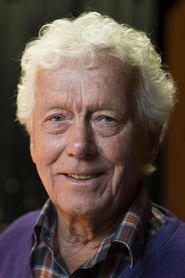
Toralv Maurstad
Edvard Grieg
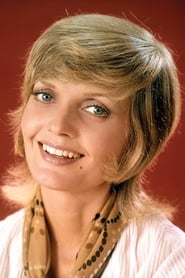
Florence Henderson
Nina Hagerup

Christina Schollin
Therese Berg
Frank Porretta
Richard Nordraak
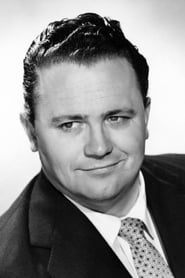
Harry Secombe
Bioernstjerne Bjoernson
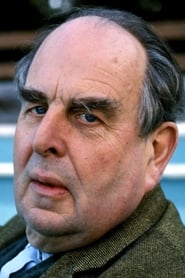
Robert Morley
Berg
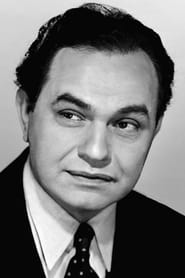
Edward G. Robinson
Krogstad
Elizabeth Larner
Mrs. Bjoernson
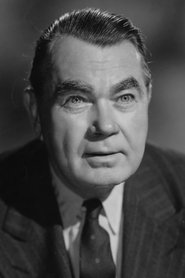
Oskar Homolka
Engstrand

Frederick Jaeger
Henrik Ibsen
Henry Gilbert
Franz Liszt
Richard Wordsworth
Hans Christian Andersen






Toralv Maurstad
Toralv Maurstad
Edvard Grieg
Toralv Maurstad
Edvard Grieg
Florence Henderson
Florence Henderson
Nina Hagerup
Florence Henderson
Nina Hagerup
Christina Schollin
Christina Schollin
Therese Berg
Christina Schollin
Therese Berg
Frank Porretta
Frank Porretta
Richard Nordraak
Frank Porretta
Richard Nordraak
Harry Secombe
Harry Secombe
Bioernstjerne Bjoernson
Harry Secombe
Bioernstjerne Bjoernson
Robert Morley
Robert Morley
Berg
Robert Morley
Berg
Edward G. Robinson
Edward G. Robinson
Krogstad
Edward G. Robinson
Krogstad
Elizabeth Larner
Elizabeth Larner
Mrs. Bjoernson
Elizabeth Larner
Mrs. Bjoernson
Oskar Homolka
Oskar Homolka
Engstrand
Oskar Homolka
Engstrand
Frederick Jaeger
Frederick Jaeger
Henrik Ibsen
Frederick Jaeger
Henrik Ibsen
Similar Movies
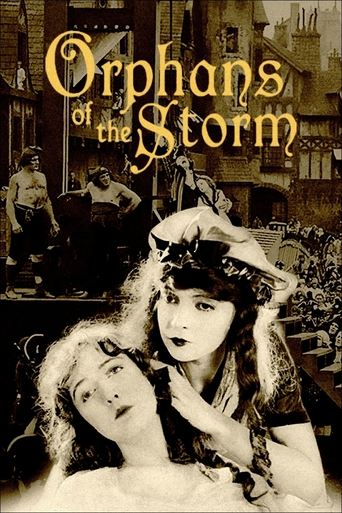
France, on the eve of the French Revolution. Henriette and Louise have been raised together as sisters. When the plague that takes their parents' lives causes Louise's blindness, they decide to travel to Paris in search of a cure, but they separate when a lustful aristocrat crosses their path.

A tale of revenge that has stood the test of time, Shakespeare’s classic tragedy is reimagined for the modern day as a gripping psychological thriller! Transcending the confines of the stage, the film utilises nearly every room of the Theatre Royal Windsor to transform it into the immortal Elsinore Castle, from basement dungeon to roof-top battlement.
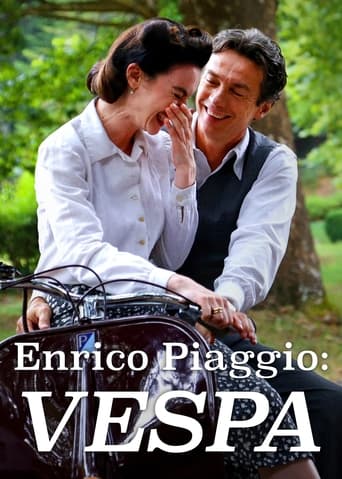
It is 1945. Enrico Piaggio’s Pontedera factory is in ruins and the 12,000 people who worked there are condemned to unemployment and misery. Piaggio feels the enormous responsibility resting on his shoulders: the lives of so many families depend on his ability to create new jobs. A project is born in the mind of the entrepreneur: a small, robust, agile and affordable means of transport, capable of relaunching mobility, giving impetus to the recovery of the country’s economic and civil life. To make this dream come true, Piaggio turns to engineer Corradino D’Ascanio, a brilliant designer who uses the experience gained in the field of aeronautics to create the scooter that remains today the symbol of Italian creativity and design: the Vespa!