


Documentary · History · War
Overview
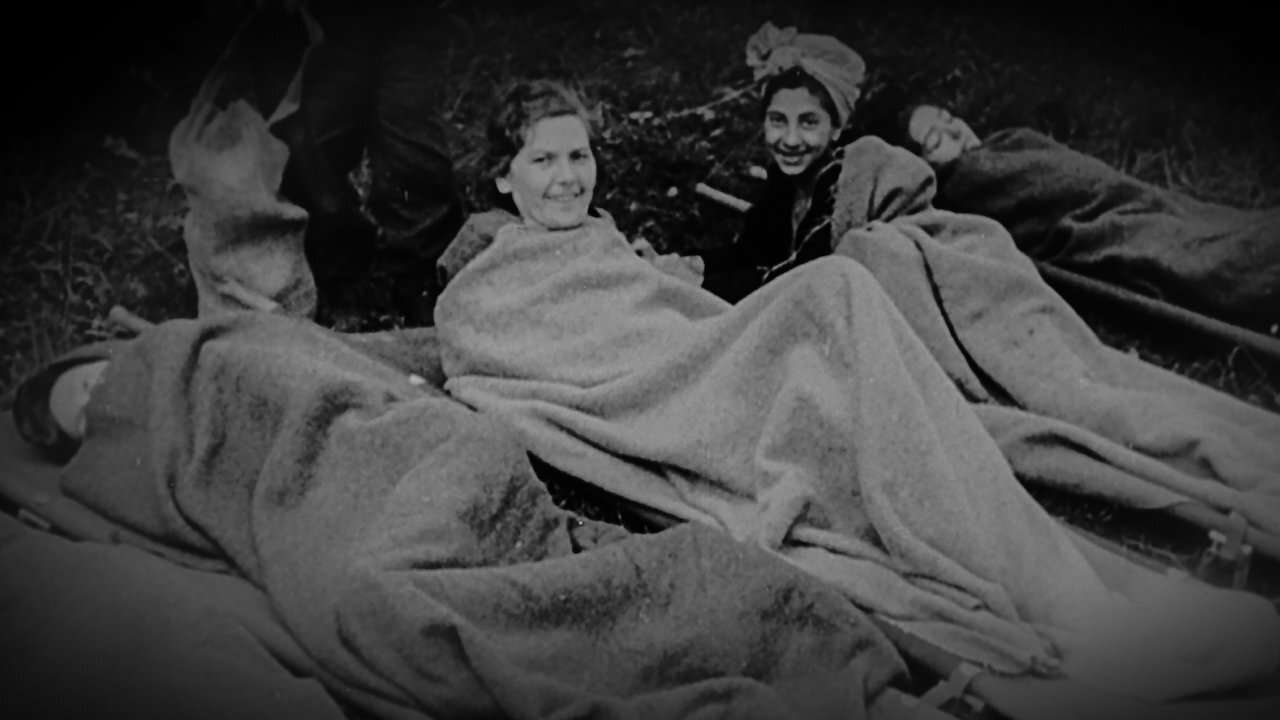
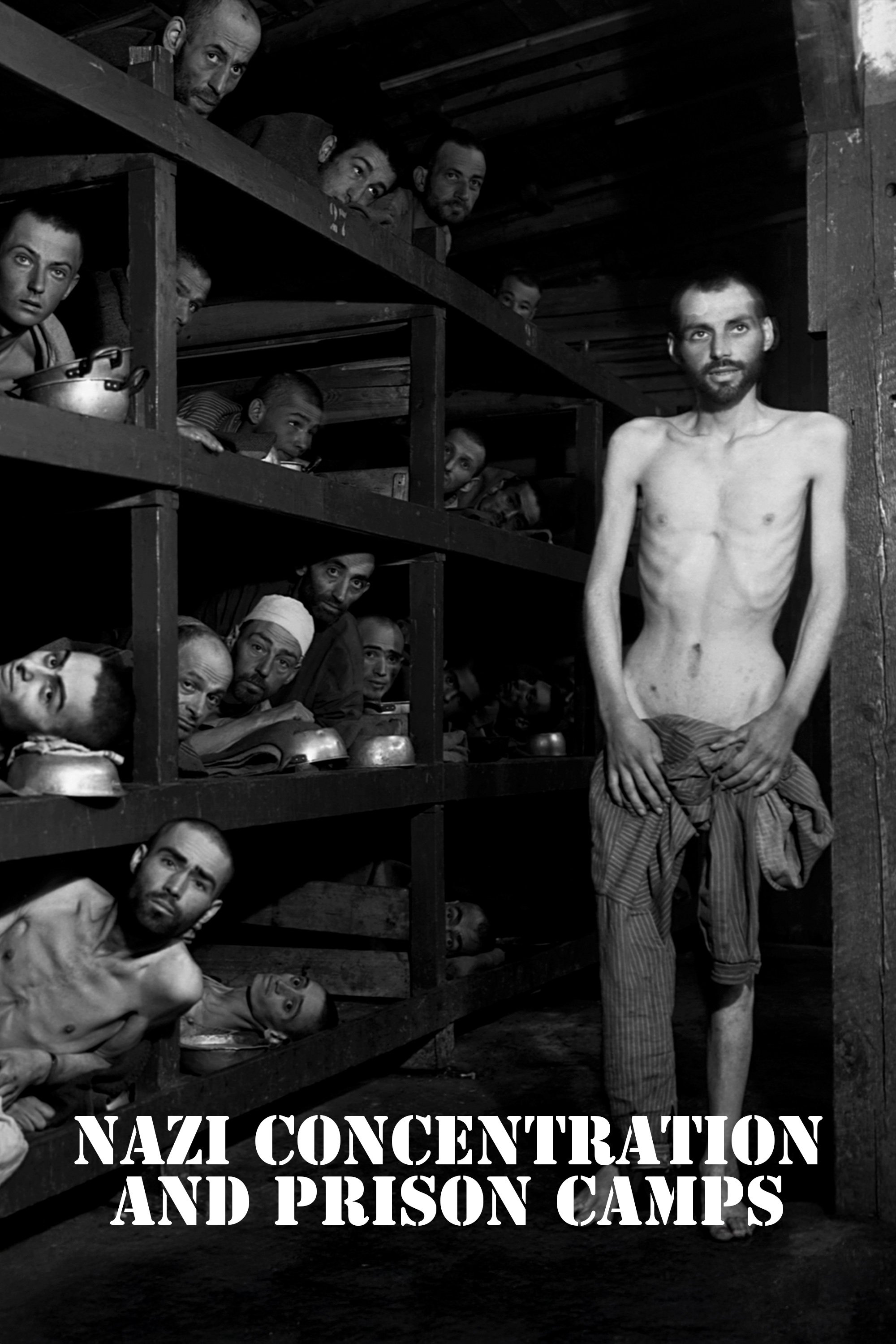
Produced and presented as evidence at the Nuremberg war crimes trial of Hermann Göring and twenty other Nazi leaders, this film consists primarily of dead and surviving prisoners and of facilities used to kill and torture during the World War II.
Top Cast
Dwight D. Eisenhower
Self
Jack Taylor
Self – Inmate
Omar N. Bradley
Self – US Army Commander of Ground Forces
George S. Patton
Self – US Army General
Hayden Sears
Self – US Army Colonel
Herman Bolker
Self – US Army Major
Adolf Wahlmann
Self – Chief Physician, Hadamar Euthanasia Centre
Karl Willig
Self – Chief Male Nurse, Hadamar Euthanasia Centre
Josef Kramer
Self – Commandant, Bergen-Belsen Concentration Camp





Dwight D. Eisenhower
Dwight D. Eisenhower
Self
Dwight D. Eisenhower
Self
Jack Taylor
Jack Taylor
Self – Inmate
Jack Taylor
Self – Inmate
Omar N. Bradley
Omar N. Bradley
Self – US Army Commander of Ground Forces
Omar N. Bradley
Self – US Army Commander of Ground Forces
George S. Patton
George S. Patton
Self – US Army General
George S. Patton
Self – US Army General
Hayden Sears
Hayden Sears
Self – US Army Colonel
Hayden Sears
Self – US Army Colonel
Herman Bolker
Herman Bolker
Self – US Army Major
Herman Bolker
Self – US Army Major
Adolf Wahlmann
Adolf Wahlmann
Self – Chief Physician, Hadamar Euthanasia Centre
Adolf Wahlmann
Self – Chief Physician, Hadamar Euthanasia Centre
Karl Willig
Karl Willig
Self – Chief Male Nurse, Hadamar Euthanasia Centre
Karl Willig
Self – Chief Male Nurse, Hadamar Euthanasia Centre
Josef Kramer
Josef Kramer
Self – Commandant, Bergen-Belsen Concentration Camp
Josef Kramer
Self – Commandant, Bergen-Belsen Concentration Camp
Similar Movies
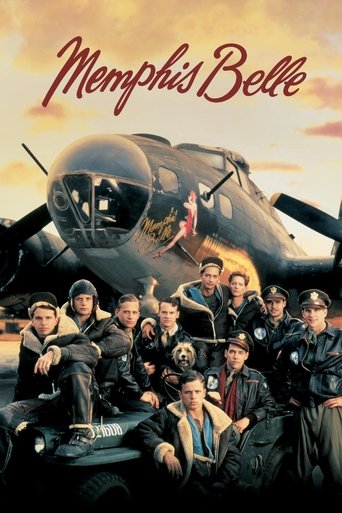
The "Memphis Belle" is a World War II bomber, piloted by a young crew on dangerous bombing raids into Europe. The crew only have to make one more bombing raid before they have finished their duty and can go home. In the briefing before their last flight, the crew discover that the target for the day is Bremen.
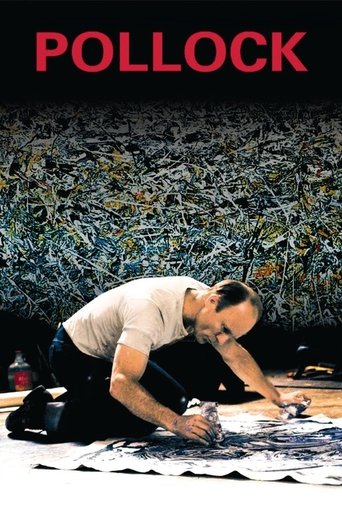
In August of 1949, Life Magazine ran a banner headline that begged the question: "Jackson Pollock: Is he the greatest living painter in the United States?" The film is a look back into the life of an extraordinary man, a man who has fittingly been called "an artist dedicated to concealment, a celebrity who nobody knew." As he struggled with self-doubt, engaging in a lonely tug-of-war between needing to express himself and wanting to shut the world out, Pollock began a downward spiral.
As the end of the Second World War approaches and the Soviet Red Army is advancing, a group of concentration camp inmates is helped to escape by a Polish doctor. They hide in a wood where they meet other fugitives, who have been there for months, constantly in fear of being discovered. Out of fear of the German army patrols, they do not dare to leave the forest, even as the food supplies run low.

The Polish city of Łódź was under Nazi occupation for nearly the entirety of WWII. The segregation of the Jewish population into the ghetto, and the subsequent horrors are vividly chronicled via newsreels and photographs. The narration is taken almost entirely from journals and diaries of those who lived–and died–through the course of the occupation, with the number of different narrators diminishing as the film progresses, symbolic of the death of each narrator.
In 1942, more than 8,000 Jews were arrested on 16 and 17 July and sent to the Vélodrome d'Hiver sports center in the 15th district, a stone's throw from the Eiffel Tower, before being deported. The expression "Vel d'Hiv round-up" has become part of our collective memory, to the point of becoming the main memorial reference point for France during the dark years. Based on research carried out in unpublished or rarely explored archives, this film retraces the history of this roundup as experienced by hunted Jews and police trackers, from its planning in the Vichy offices to its hour-by-hour unfolding in the streets of Paris.
In the early days of daylight bombing raids over Germany, General Frank Savage must take command of a 'hard luck' bomber group. Much of the story deals with his struggle to whip his group into a disciplined fighting unit in spite of heavy losses, and withering attacks by German fighters over their targets.

Stingo, a young writer, moves to Brooklyn in 1947 to begin work on his first novel. As he becomes friendly with Sophie and her lover Nathan, he learns that she is a Holocaust survivor. Flashbacks reveal her harrowing story, from pre-war prosperity to Auschwitz. In the present, Sophie and Nathan's relationship increasingly unravels as Stingo grows closer to Sophie and Nathan's fragile mental state becomes ever more apparent.
June 6, 1944: The largest Allied operation of World War II began in Normandy, France. Yet, few know in detail exactly why and how, from the end of 1943 through August 1944, this region became the most important location in the world. Blending multiple cinematographic techniques, including animation, CGI and stunning live-action images, “D-Day: Normandy 1944” brings this monumental event to the world’s largest screens for the first time ever. Audiences of all ages, including new generations, will discover from a new perspective how this landing changed the world. Exploring history, military strategy, science, technology and human values, the film will educate and appeal to all. Narrated by Tom Brokaw, “D-Day: Normandy 1944” pays tribute to those who gave their lives for our freedom… A duty of memory, a duty of gratitude.