

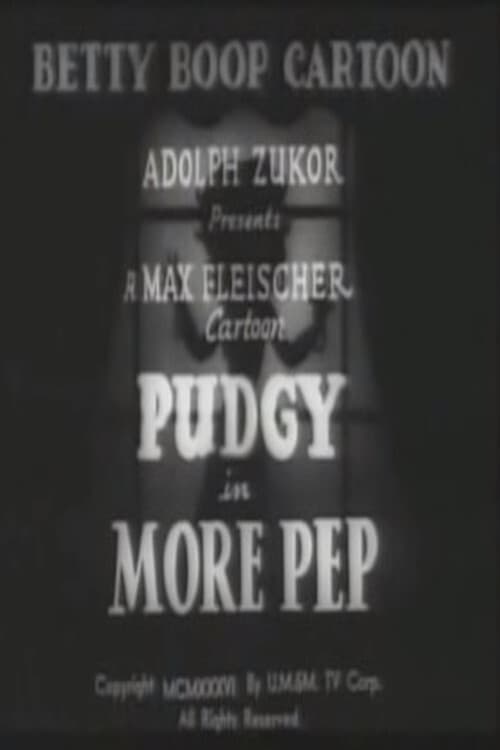
More Pep
Animation · Comedy · Family
Overview
In a return to the Out of the Inkwell format, Betty Boop invents a pep formula to speed up lazy Pudgy, but it escapes into the real world with rapid results.





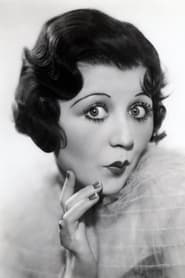
Mae Questel
Mae Questel
Betty Boop / Pudgy (voice) (uncredited)
Mae Questel
Betty Boop / Pudgy (voice) (uncredited)
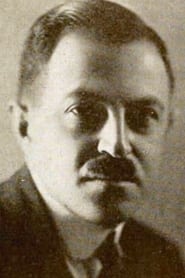
Max Fleischer
Max Fleischer
Uncle Max (voice)
Max Fleischer
Uncle Max (voice)
Similar Movies
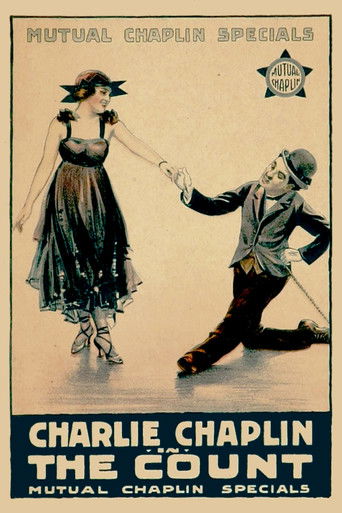
A tailor's apprentice burns Count Broko's clothes while ironing them and the tailor fires him. Later, the tailor discovers a note explaining that the count cannot attend a dance party, so he dresses as such to take his place; but the apprentice has also gone to the mansion where the party is celebrated and bumps into the tailor in disguise…
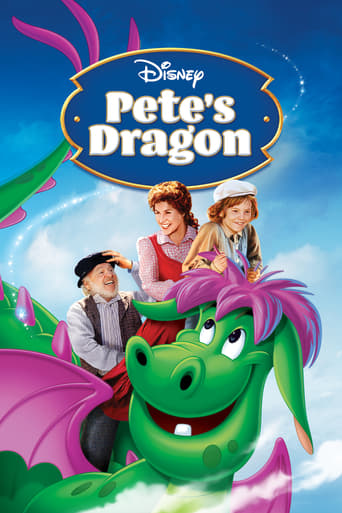
Pete, a young orphan, runs away to a Maine fishing town with his best friend a lovable, sometimes invisible dragon named Elliott! When they are taken in by a kind lighthouse keeper, Nora, and her father, Elliott's prank playing lands them in big trouble. Then, when crooked salesmen try to capture Elliott for their own gain, Pete must attempt a daring rescue.
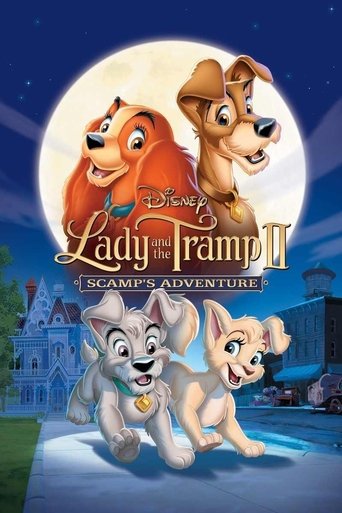
Lady and Tramp's mischievous pup, Scamp, gets fed up with rules and restrictions imposed on him by life in a family, and longs for a wild and free lifestyle. He runs away from home and into the streets where he joins a pack of stray dogs known as the "Junkyard Dogs." Buster, the pack's leader, takes an instant disliking to the "house-dog" and considers him a rival. Angel, a junkyard pup Scamp's age, longs for the safety and comfort of life in a family and the two become instant companions. Will Scamp choose the wild and free life of a stray or the unconditional love of his family?
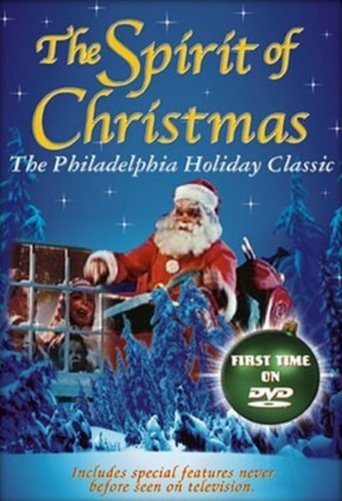
This Christmas film, created as a special for television broadcast throughout the Philadelphia, Pennsylvania viewing region, was produced by puppeteer Mabel Beaton and her husband Les for Bell Telephone Company and first aired in 1953. Following a short live-action opening portion, featured are two extended marionette segments, the first dramatizing Clement Moore's "A Visit from St. Nicholas", the second reverently telling the Nativity story; the two stories are staged in classic, traditional style. From 1953 onward, for several years, The Spirit of Christmas was broadcast in the intended region multiple times per holiday season. It was also available as a 16mm film licensed to schools for showings to students. This film often is misstated to have originally been broadcast in 1950.