

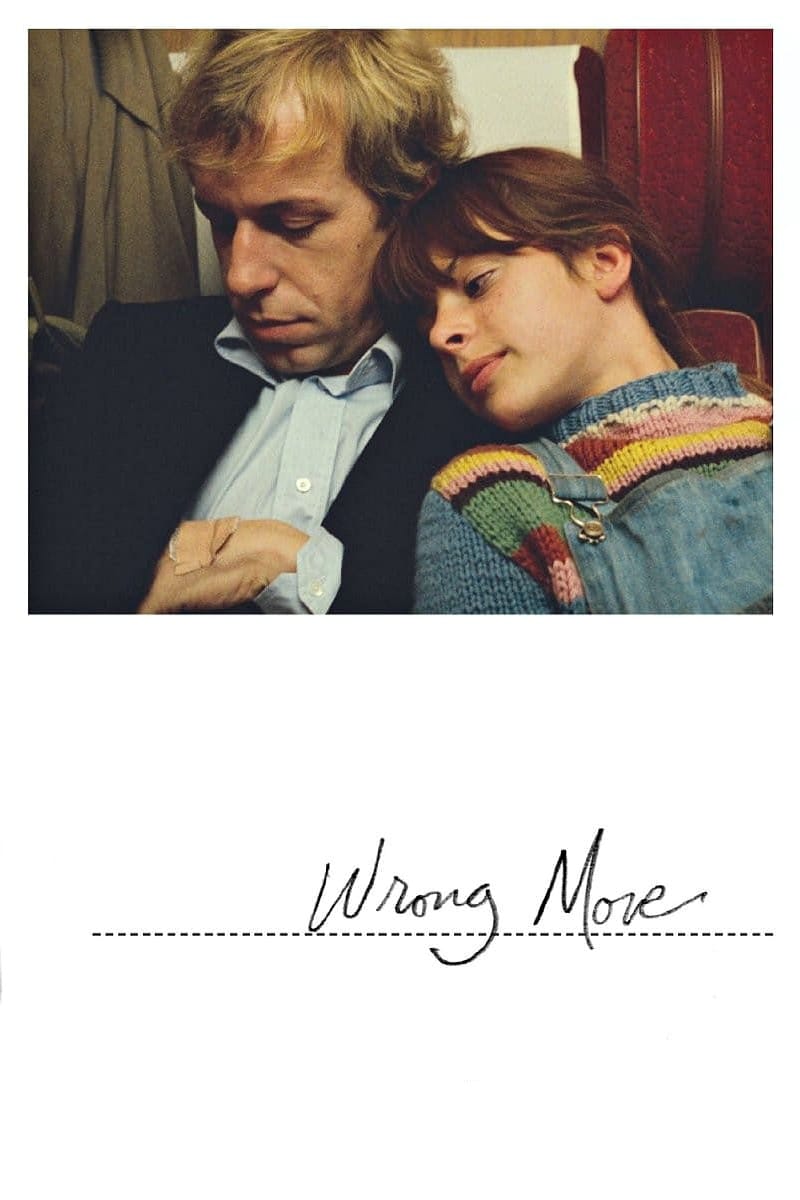
Wrong Move
Drama
Overview
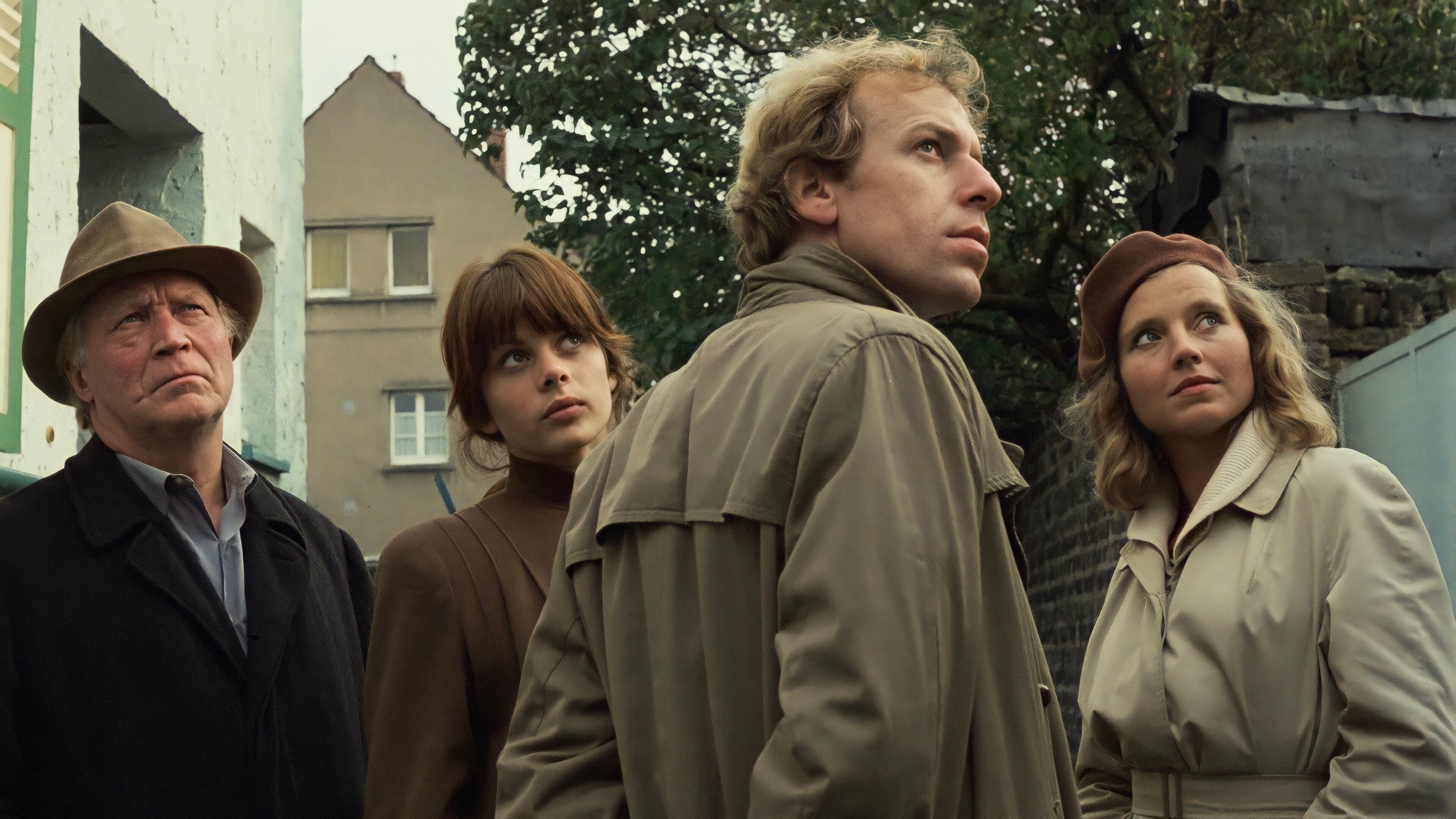
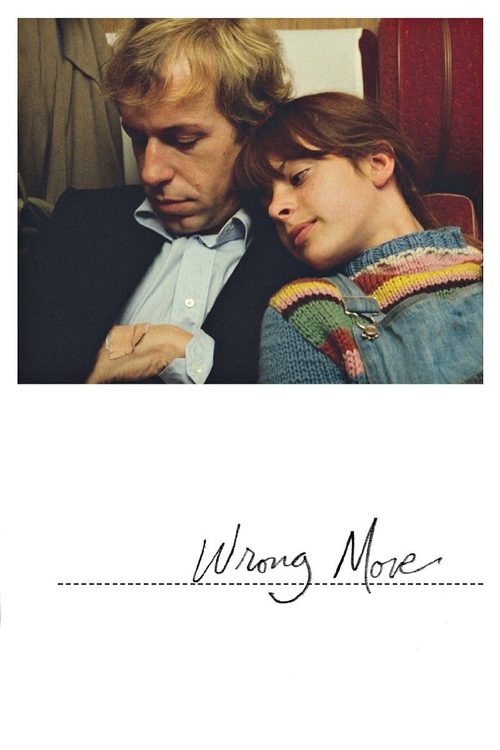
Six days in the life of Wilhelm: a detached man without qualities. He wants to write, so his mother gives him a ticket to Bonn, telling him to live. On the train he meets an older man, an athlete in the 1936 Olympics, and his mute teen companion, Mignon. She's an acrobat in market squares for spare change.











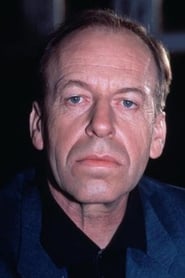
Rüdiger Vogler
Rüdiger Vogler
Wilhelm
Rüdiger Vogler
Wilhelm

Hans Christian Blech
Hans Christian Blech
Laertes
Hans Christian Blech
Laertes

Hanna Schygulla
Hanna Schygulla
Therese
Hanna Schygulla
Therese

Nastassja Kinski
Nastassja Kinski
Mignon
Nastassja Kinski
Mignon

Peter Kern
Peter Kern
Landau
Peter Kern
Landau

Ivan Desny
Ivan Desny
Industrialist
Ivan Desny
Industrialist

Marianne Hoppe
Marianne Hoppe
Mother
Marianne Hoppe
Mother

Lisa Kreuzer
Lisa Kreuzer
Janine
Lisa Kreuzer
Janine
Adolf Hansen
Adolf Hansen
Conductor
Adolf Hansen
Conductor

Wim Wenders
Wim Wenders
Man in Dining Car (uncredited)
Wim Wenders
Man in Dining Car (uncredited)
Similar Movies
Befriended by aristocrat Sebastian Flyte, Oxford student Charles Ryder finds that the power and privilege experienced by the family is seductive. On a visit to the ancestral home, Brideshead, he falls in love with his friend's sister, Julia. However, as his ties to the Flytes deepen, Ryder finds himself at odds with their strong Roman Catholicism.
Long-haul driver Hannes picks up a young hitchhiker, Herb, who had a falling-out with his parents after dropping out of college and now travels around doing odd jobs. After a series of adventures, they are joined by Johanna and her child, who missed their bus and need a ride to Berlin. Johanna has left her husband so that he can reflect on their broken relationship and both men gradually begin to fall in love with her.
Middle-aged cinephile and film projectionist Pera still lives with his mother - and best friend - Mara, in Belgrade. It's 1999 and when NATO bombs start raining down on Serbia, the two of them become refugees. After a surreal journey, they end up in New York, where Pera realizes that he can no longer do the old job he loved so much. While he and Mara were struggling to survive, the new age of digital projection was born. Then Pera stumbles upon some discarded projectors and his new mission in life becomes clear: he will travel around and show people the magic of Real Cinema - the magic that can only be created by celluoid, mechanical projectors, the silver screen and flickering light.
Although based on a novel by Georges Simenon, director (and songwriter) Serge Gainsbourg has superimposed several dark emotions and a subtle brutality over the weak plot about a man's trip to Africa and his unfortunate passion for a murderess whose amorality sends the disillusioned fellow back to Europe. Sometimes described as frustrating and self-centered, reactions to this film swing across a broad spectrum of complaints -- not the least might be whether or not Gainsbourg is using a clichéd and stereotypical view of "dark Africa" to convey what he sees in his characters.
Sayaka, a high school student, kills herself but the reason behind her suicide is unknown. She appeared to have led a normal life with her family. Her mother Rumiko seemed to have raised Sayaka with love and care. In reality, that does not seem to be the case. When the mother and daughter recall the same incidents that took place in the past, they tell very different stories.
Seibei Iguchi leads a difficult life as a low ranking samurai at the turn of the nineteenth century. A widower with a meager income, Seibei struggles to take care of his two daughters and senile mother. New prospects seem to open up when the beautiful Tomoe, a childhood friend, comes back into he and his daughters' life, but as the Japanese feudal system unravels, Seibei is still bound by the code of honor of the samurai and by his own sense of social precedence. How can he find a way to do what is best for those he loves?