

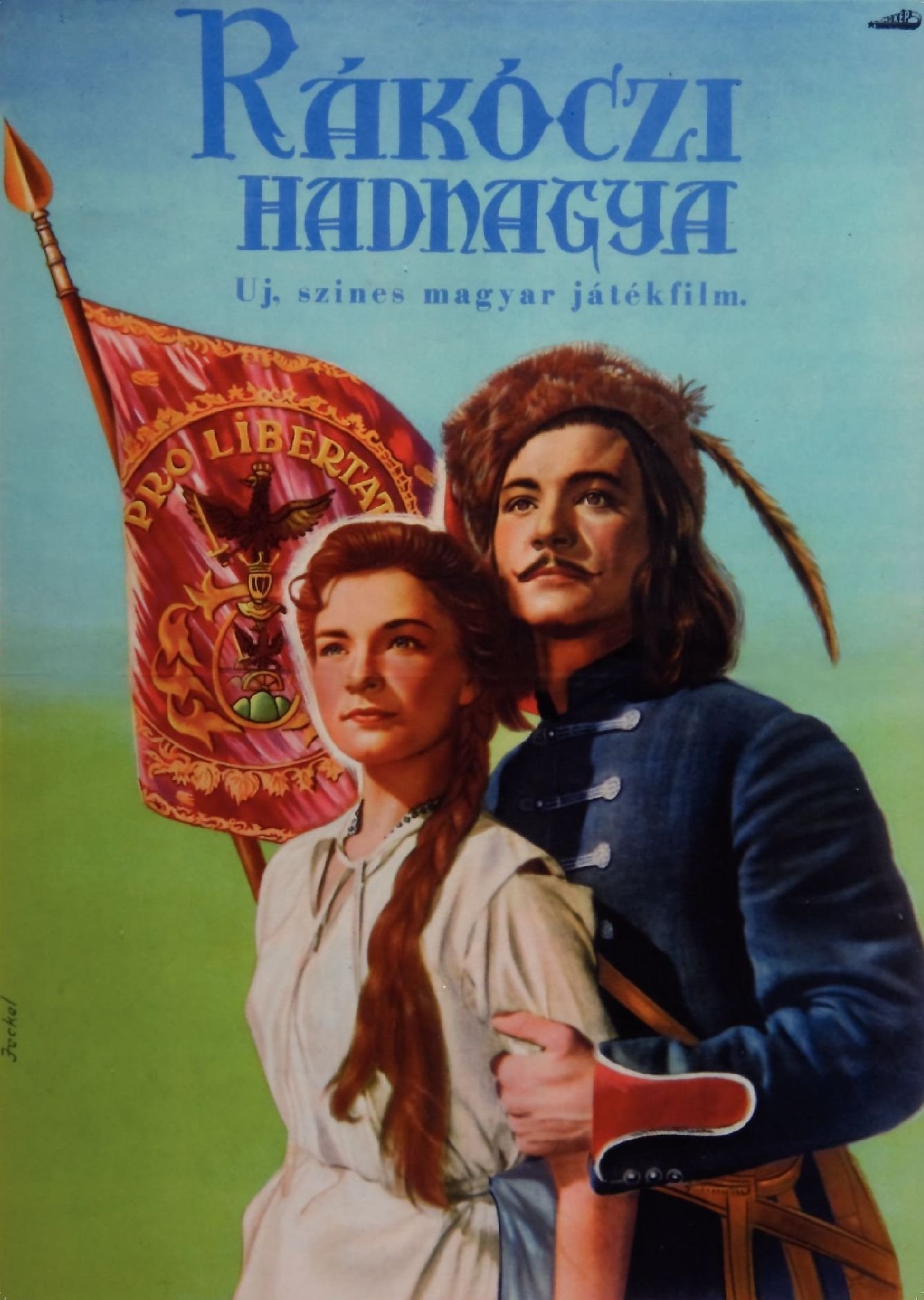
Rákóczi's Lieutenant
Action · History
Overview
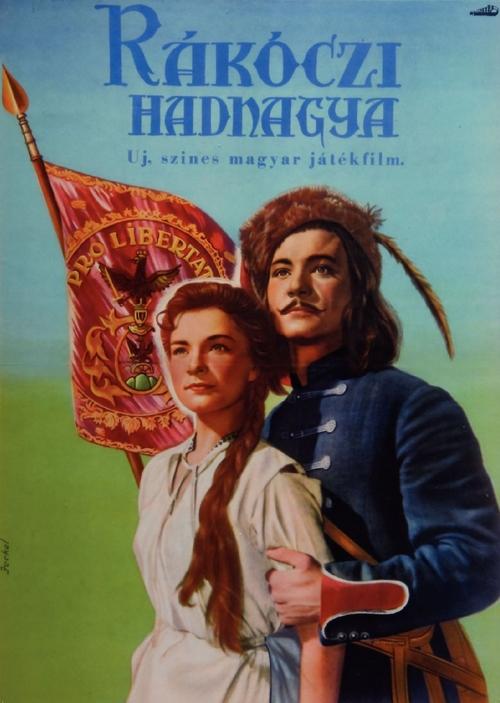
1708 János Bornemissza became the master of stras of Blind Bottyán from a raiding Kuruk. His weapon is driven by patriotism and love for Anna Bíró, the most beautiful girl in réthe. The captured Count Starhemberg takes the Labanc general to the Prince himself, and thus becomes Rákóczi's lieutenant. In the meantime, Réthe falls into the hands of a Laban for treason, and Anna is sent to the stocks. Suhajda, the lecherous hajdú, now thinks he can get the girl for himself. Anna sends a message to John with her brother, and at the call of the prisoners, Rákóczi's army marches. They encounter the enemy along the Váh. The Kuruks celebrate their victory with the wedding of Anna and János.
Top Cast

Tibor Bitskey
Bornemissza János hadnagy

Éva Vass
Bíró Anna

Endre Gyárfás
Matyi, Anna öccse

Ferenc Zenthe
Fekete Miska
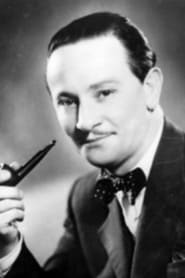
Ferenc Pethes
Rácz Miska
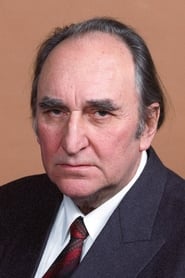
Gellért Raksányi
István Suhajda

Sándor Deák
II. Rákóczi Ferenc
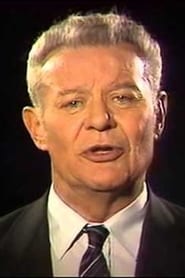
Gábor Mádi Szabó
Vak Bottyán
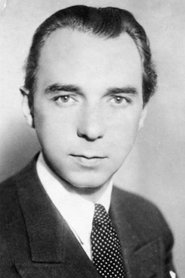
József Timár
Dobay brigadéros
Miklós Sármássy
Inczédy ezredes

Szabó Sándor
Gróf Starhemberg Maximilan generális
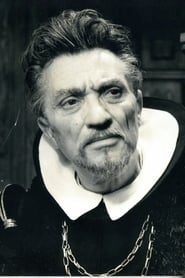
István Egri
Pichler, labanc ezredes










Tibor Bitskey
Tibor Bitskey
Bornemissza János hadnagy
Tibor Bitskey
Bornemissza János hadnagy
Éva Vass
Éva Vass
Bíró Anna
Éva Vass
Bíró Anna
Endre Gyárfás
Endre Gyárfás
Matyi, Anna öccse
Endre Gyárfás
Matyi, Anna öccse
Ferenc Zenthe
Ferenc Zenthe
Fekete Miska
Ferenc Zenthe
Fekete Miska
Ferenc Pethes
Ferenc Pethes
Rácz Miska
Ferenc Pethes
Rácz Miska
Gellért Raksányi
Gellért Raksányi
István Suhajda
Gellért Raksányi
István Suhajda
Sándor Deák
Sándor Deák
II. Rákóczi Ferenc
Sándor Deák
II. Rákóczi Ferenc
Gábor Mádi Szabó
Gábor Mádi Szabó
Vak Bottyán
Gábor Mádi Szabó
Vak Bottyán
József Timár
József Timár
Dobay brigadéros
József Timár
Dobay brigadéros
Miklós Sármássy
Miklós Sármássy
Inczédy ezredes
Miklós Sármássy
Inczédy ezredes
Similar Movies
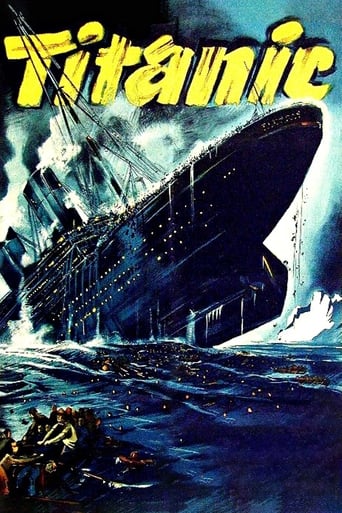
In 1912, the Titanic embarks on its inevitable collision course with history. In the wake of the over-spending required to build the largest luxury ship in the world, White Star Line executive Sir Bruce Ismay schemes to reverse the direction of his company's plummeting stock value. Onboard the Titanic, brave German 1st Officer Petersen struggles to convince his self-important British superiors not to overexert the ship's engines.
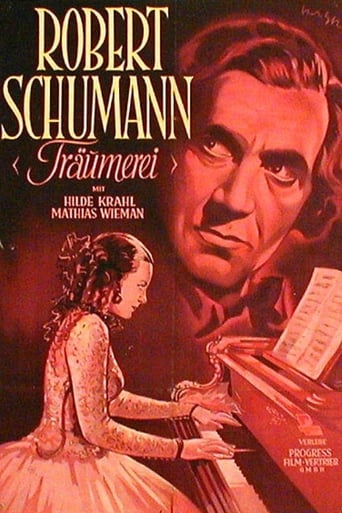
A musical film based on biographical facts about Clara Wieck's love for composer Robert Schumann (1810-1856), her marriage against her will, Schumann's triumph, and his tragic end due to mental illness. The film is beautiful and entertaining, full of noble spirit and beautiful words about art and love, which only conflict in a theoretical context; not least thanks to its solid cast, this film is quite serious and far from kitsch. Completed in 1944, during World War II, the film was rejected by the Nazi leadership, but was eventually released and enjoyed success with an audience already weary of war.