


Spain Again
Drama
Overview
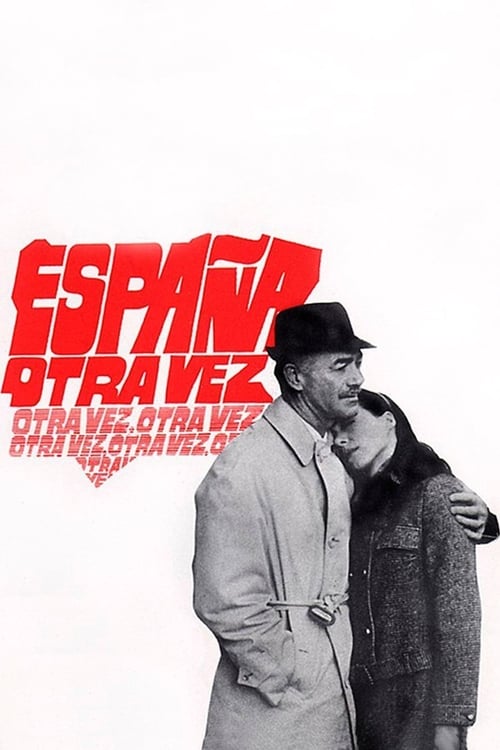
David (Mark Stevens) is a physician who returns to Spain 30 years after his involvement in the Spanish Civil War. Now a member of a medical convention, he looks up old friends and finds his former lover, now a married woman with a flamenco-dancing daughter. He and the daughter (Manuela Vargas) have an immediate and mutual attraction to each other. He considers running away with the exotic beauty before asking his wife to join him for an extended vacation after the convention .
Top Cast
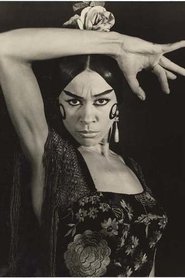
Manuela Vargas
María
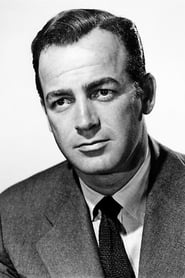
Mark Stevens
Dr. David Foster

Marianne Koch
Kathy Foster
Alberto Berco
Dr. Gavotty
Luis Ciges
Padre Jacinto

Francisco Rabal
Reportero

Pere Portabella
Dr. Sanpona
Manuel Muñiz
Hombre Extraño
Luis Serret
Manuel Oliver
Enrique Giménez 'El Cojo'
Maestro Miguel
Joaquín Pujol
Hijo de Manuel
Alberto Puig
Dr. Tomás


Manuela Vargas
Manuela Vargas
María
Manuela Vargas
María
Mark Stevens
Mark Stevens
Dr. David Foster
Mark Stevens
Dr. David Foster
Marianne Koch
Marianne Koch
Kathy Foster
Marianne Koch
Kathy Foster
Alberto Berco
Alberto Berco
Dr. Gavotty
Alberto Berco
Dr. Gavotty
Luis Ciges
Luis Ciges
Padre Jacinto
Luis Ciges
Padre Jacinto
Francisco Rabal
Francisco Rabal
Reportero
Francisco Rabal
Reportero
Pere Portabella
Pere Portabella
Dr. Sanpona
Pere Portabella
Dr. Sanpona
Manuel Muñiz
Manuel Muñiz
Hombre Extraño
Manuel Muñiz
Hombre Extraño
Luis Serret
Luis Serret
Manuel Oliver
Luis Serret
Manuel Oliver
Enrique Giménez 'El Cojo'
Enrique Giménez 'El Cojo'
Maestro Miguel
Enrique Giménez 'El Cojo'
Maestro Miguel
Similar Movies
At the end of the Spanish civil war, Fando, a boy of about ten, tries to make sense of war and his father's arrest. His mother is religious, sympathetic to the Fascists; his father is accused of being a Red. Fando discovers that his mother may have aided in his father's arrest. Sometimes we witness Fando imagining explanations for what's going on; sometimes we see him at play, alone or with his friend Thérèse. Oedipal fantasies and a lad's natural curiosity about sex and death mix with his search for his mother's nature and his father's fate. Will Fando survive the search?
At the end of the Spanish Civil War, the members of a group of vaudeville performers have been stripped of everything: all they have left is hunger and the instinct to survive. Day after day, agonizingly, lost and helpless between the victors and the vanquished, the musician Jorge, the ventriloquist Enrique, the couplet singer Rocío and the orphan Miguel search tirelessly for something to eat and a safe place to live.
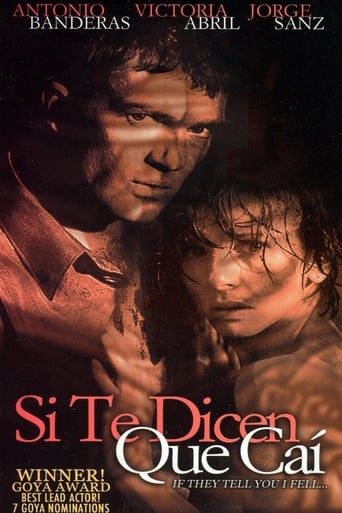
In the post Spanish civil war years, Catalan kids would sit in circles among the ruins and tell stories, known as "aventis" (the film's original title in Catalan, its original language). These tales mix war stories, local gossip, comic book characters, fantasy and real events. The "aventis" told in this film are told in flashback. In the mid 80s, 45 or so years after the age of the "aventis," a doctor and a nurse-nun (who grew up together, and now are co-workers in a hospital) identify the corpse of one of the main characters of the "aventis" of their childhood and adolescence. Besides the interesting flashbacks - a chronical of the Civil War in a "typical" Barcelona microcosm itself, the discovery of this body (belonging to someone long presumed dead) leads to other surprises and unresolved doubts, several decades later
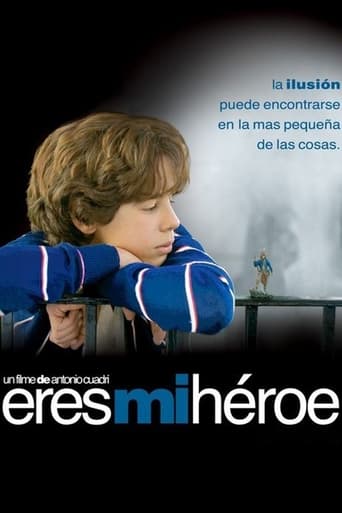
Thirteen-year-old Ramon is on the verge of many adolescent discoveries -- and the confusion that goes along with them. Shy and awkward, he's moved from town to town throughout his childhood and believes that life is about winning and losing. But he soon learns it's all about survival. Like Ramon, Spain is in transition (President Francisco Franco is about to die); it's a time of social upheaval marked by change, illusion and struggle.
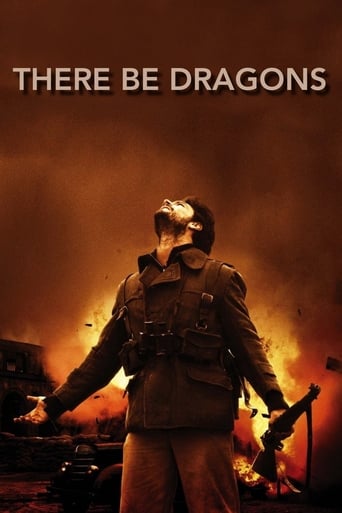
Arising out of the horror of the Spanish Civil War, a candidate for canonization is investigated by a journalist who discovers his own estranged father had a deep, dark and devastating connection to the saint's life.While researching the life of Josemaria Escriva, the controversial founder of Opus Dei, the young journalist Robert uncovers hidden stories of his estranged father Manolo, and is taken on a journey through the dark, terrible secrets of his family’s past.
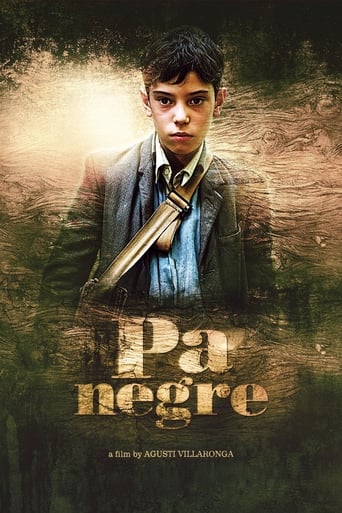
In the harsh post-war years' Catalan countryside, Andreu, a child that belongs to the losing side, finds the corpses of a man and his son in the forest. The authorities want his father to be made responsible of the deaths, but Andreu tries to help his father by finding out who truly killed them. In this search, Andreu develops a moral consciousness against a world of adults fed by lies. In order to survive, he betrays his own roots and ends up finding out the monster that lives within him.

At the outbreak of the Spanish Civil War, the nun Maria is forced to flee her convent. She takes refuge in a brothel, until it is liberated by a woman's anarchist group. Maria joins the group and eventually goes to the front. The women's group faces the problems of fighting not only the nationalists, but also factions on the left seeking to impose a more traditional military structure.
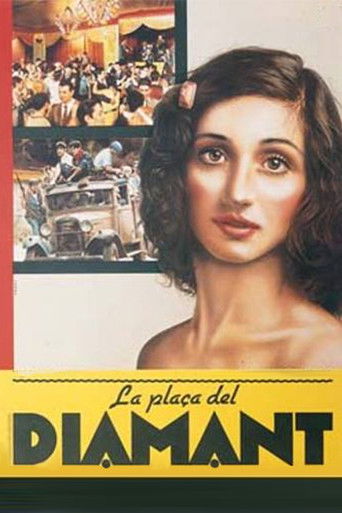
Colometa is an average housewife with two children to care for in the late 1930's, as the Spanish Civil War is starting and her husband goes off to fight. She had been an ordinary woman working in a shop when she met the lively carpenter who married her, and their life together was without major problems. But now she is forced to raise her children under straitened circumstances, and after her husband dies, her life undergoes another major change as she marries for the second time. Underneath Colometa's acquiescent, forebearing exterior must lie just a few discontents, a few unrealized dreams - but they never surface as she blithely moves from one episode in her life to another.