

Louis, the Child King
War · Drama · History
Overview
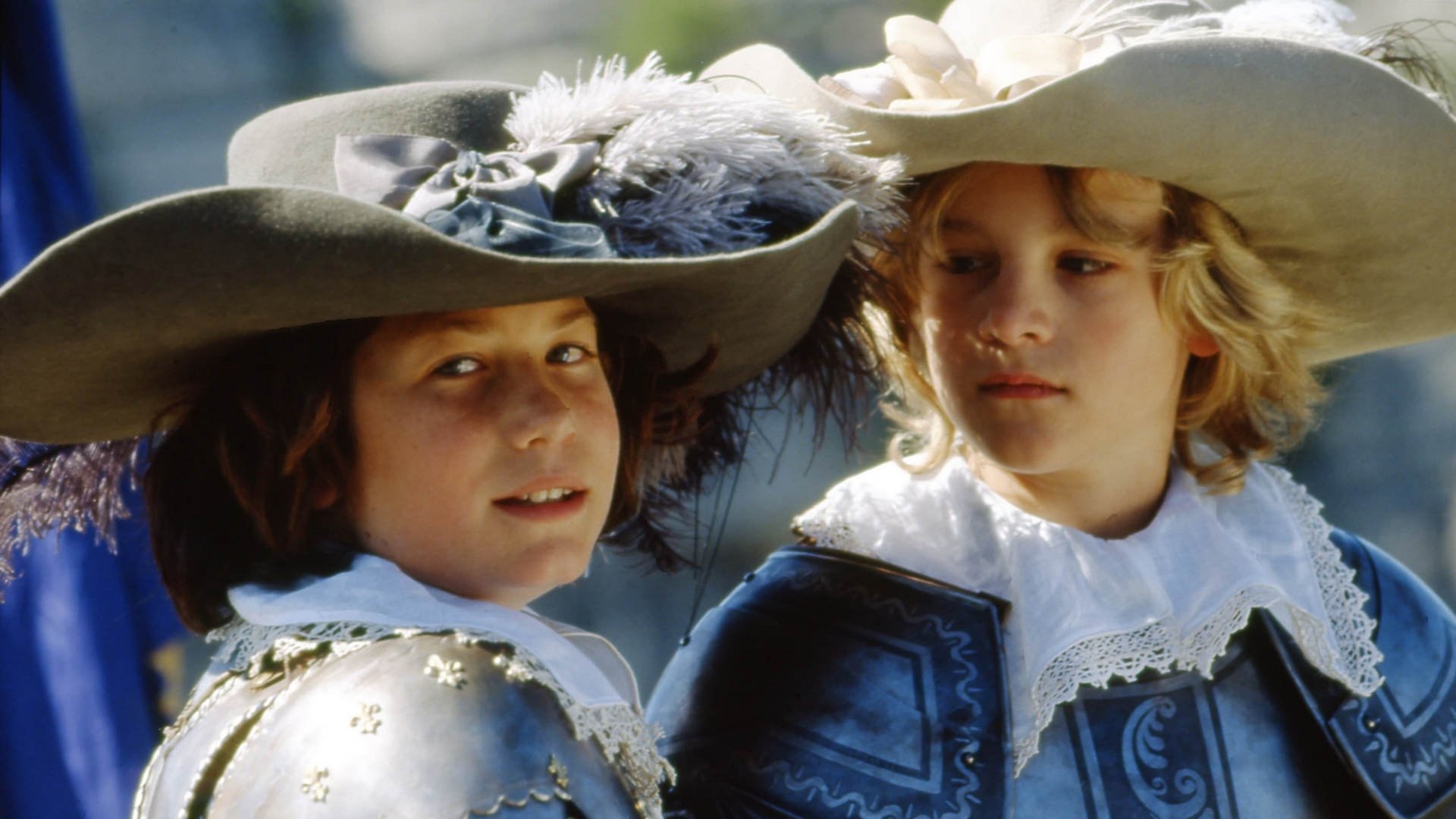
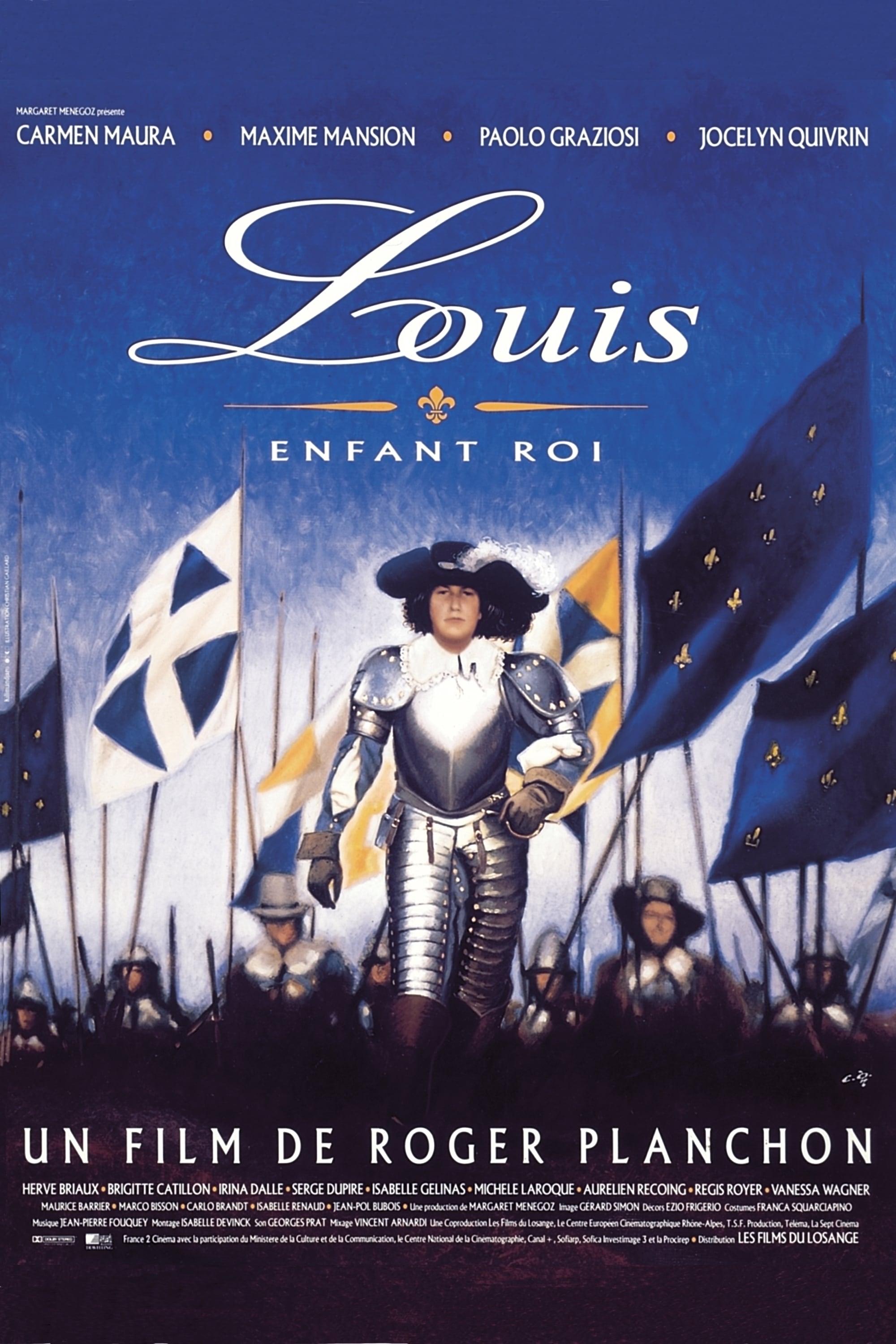
January 1649: Since the death of his father, the young Louis XIV must undergo the hard apprenticeship of royal power. He must face the intrigues of the great ones of the kingdom who lead La Fronde, the agreements and the betrayals of those close to him. He is helped in this by his mother Anne of Austria and by the Cardinal Mazarin.
Top Cast

Carmen Maura
Anne d'Autriche

Maxime Mansion
Louis XIV

Paolo Graziosi
Mazarin

Jocelyn Quivrin
Philippe Duc d'Anjou

Brigitte Catillon
Duchesse de Chevreuse

Serge Dupire
Prince de Condé

Hervé Briaux
Gaston d'Orléans

Irina Dalle
Grande Mademoiselle

Isabelle Gélinas
Duchesse de Chatillon

Michèle Laroque
Duchesse de Longueville

Aurélien Recoing
Coadjuteur de l'Archevêque de Paris, futur Cardinal de Retz

Régis Royer
Prince de Conti






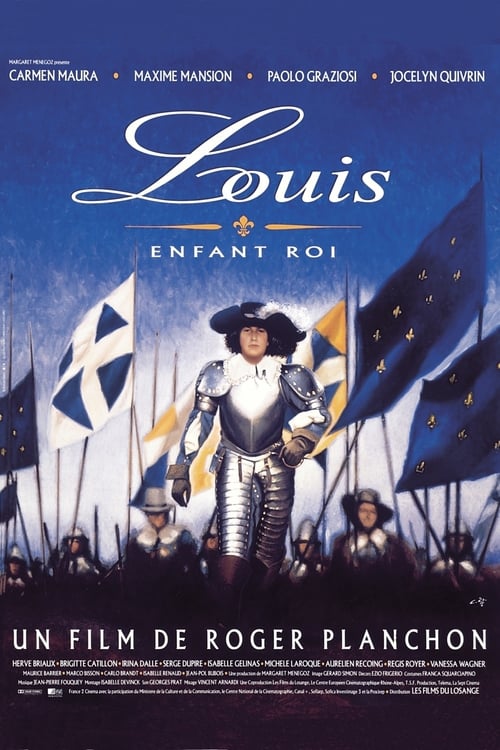
Carmen Maura
Carmen Maura
Anne d'Autriche
Carmen Maura
Anne d'Autriche
Maxime Mansion
Maxime Mansion
Louis XIV
Maxime Mansion
Louis XIV
Paolo Graziosi
Paolo Graziosi
Mazarin
Paolo Graziosi
Mazarin
Jocelyn Quivrin
Jocelyn Quivrin
Philippe Duc d'Anjou
Jocelyn Quivrin
Philippe Duc d'Anjou
Brigitte Catillon
Brigitte Catillon
Duchesse de Chevreuse
Brigitte Catillon
Duchesse de Chevreuse
Serge Dupire
Serge Dupire
Prince de Condé
Serge Dupire
Prince de Condé
Hervé Briaux
Hervé Briaux
Gaston d'Orléans
Hervé Briaux
Gaston d'Orléans
Irina Dalle
Irina Dalle
Grande Mademoiselle
Irina Dalle
Grande Mademoiselle
Isabelle Gélinas
Isabelle Gélinas
Duchesse de Chatillon
Isabelle Gélinas
Duchesse de Chatillon
Michèle Laroque
Michèle Laroque
Duchesse de Longueville
Michèle Laroque
Duchesse de Longueville
Similar Movies
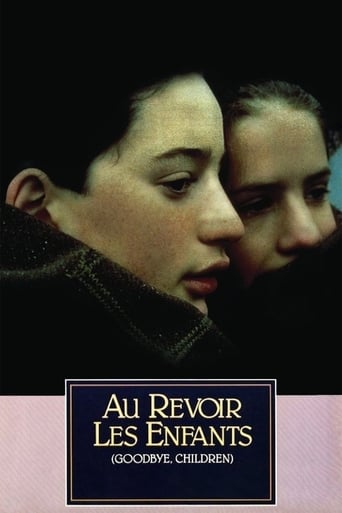
Au revoir les enfants tells a heartbreaking story of friendship and devastating loss concerning two boys living in Nazi-occupied France. At a provincial Catholic boarding school, the precocious youths enjoy true camaraderie—until a secret is revealed. Based on events from writer-director Malle’s own childhood, the film is a subtle, precisely observed tale of courage, cowardice, and tragic awakening.
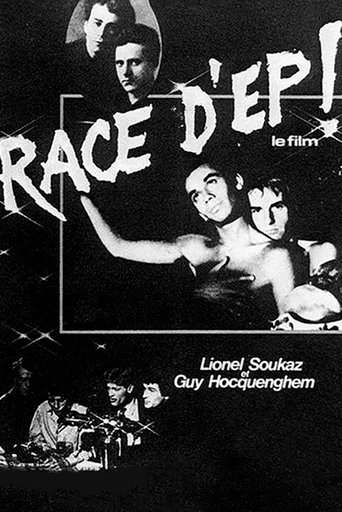
"Race d’Ep!" (which literally translates to "Breed of Faggots") was made by the “father of queer theory,” Guy Hocquenghem, in collaboration with radical queer filmmaker and provocateur Lionel Soukaz. The film traces the history of modern homosexuality through the twentieth century, from early sexology and the nudes of Baron von Gloeden to gay liberation and cruising on the streets of Paris. Influenced by the groundbreaking work of Michel Foucault on the history of sexuality and reflecting the revolutionary queer activism of its day, "Race d’Ep!" is a shockingly frank, sex-filled experimental documentary about gay culture emerging from the shadows.
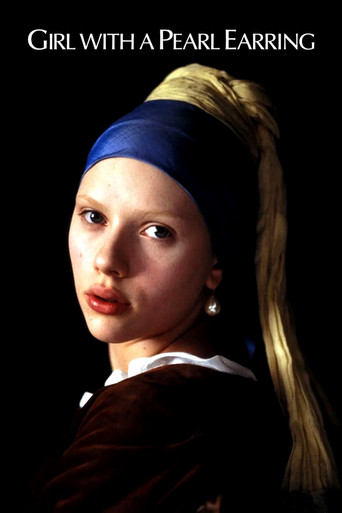
This film, adapted from a work of fiction by author Tracy Chevalier, tells a story about the events surrounding the creation of the painting "Girl With A Pearl Earring" by 17th century Dutch master Johannes Vermeer. A young peasant maid working in the house of painter Johannes Vermeer becomes his talented assistant and the model for one of his most famous works.
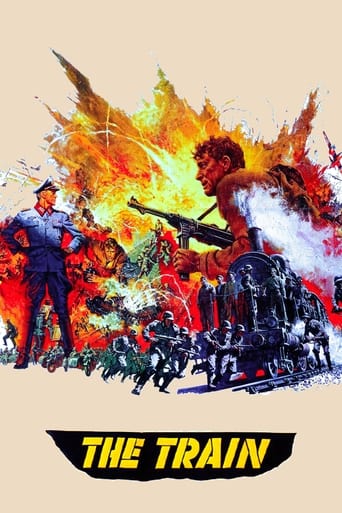
As the Allied forces approach Paris in August 1944, German Colonel Von Waldheim is desperate to take all of France's greatest paintings to Germany. He manages to secure a train to transport the valuable art works even as the chaos of retreat descends upon them. The French resistance however wants to stop them from stealing their national treasures but have received orders from London that they are not to be destroyed. The station master, Labiche, is tasked with scheduling the train and making it all happen smoothly but he is also part of a dwindling group of resistance fighters tasked with preventing the theft. He and others stage an elaborate ruse to keep the train from ever leaving French territory.
At the beginning was the Slovak television series Lekár umierajúceho czasu (Doctor of Dying Time), dedicated to the Rudolphine-era scientist Jan Jesenius. He ended up on the scaffold along with other gentlemen after losing the anti-Habsburg uprising. When director Miloslav Luther conceived the idea of making an abridged version of the footage for cinema, he had to not only rebuild the storyline but also dub it into Czech. However, the result was only an illustrative puzzle, describing the various stages of the hero's turbulent life.
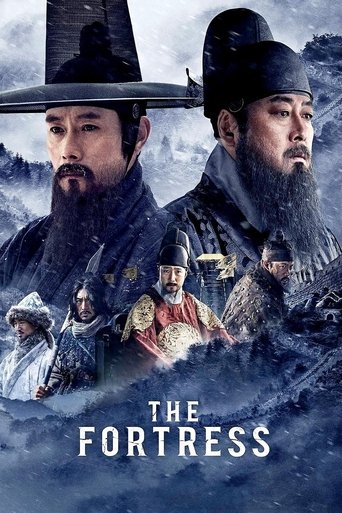
Ancient Korea, 17th century. The powerful Khan of the Jurchen tribe of Manchuria, who fights the Ming dinasty to gain China, becomes the first ruler of the Qing dinasty and demands from King In-jo of Joseon to bow before him; but he refuses, being loyal to the Mings. On December 14th, 1636, the Qing horde invades Joseon, so King In-jo and his court shelter in the mountain fortress of Namhan and prepare to defend the kingdom.