


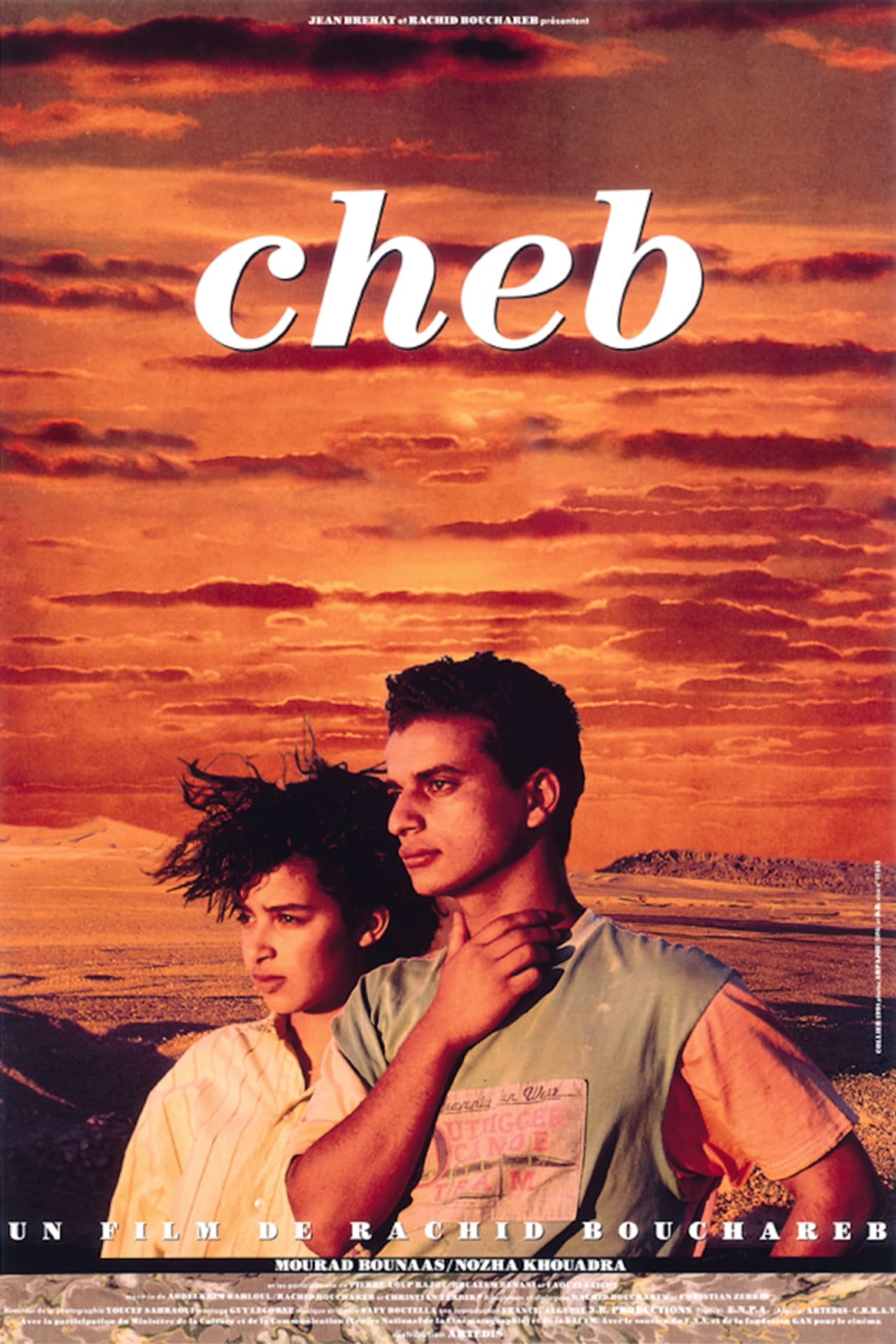
Cheb
Drama
Overview
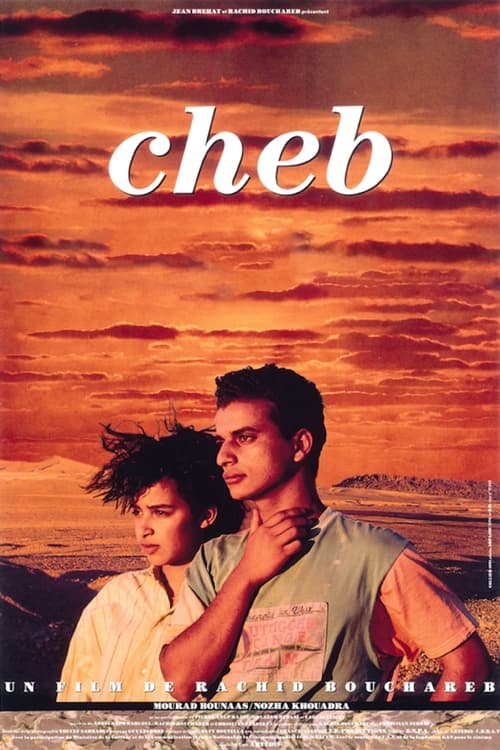
After a conviction for theft, Merwan was expelled from France, where he had lived since the age of one, to Algeria, his country of birth. In a foreign country of which he knows neither the language nor the customs, he finds himself stripped of his belongings and on the street.
Top Cast

Mourad Bounaas
Merwan

Nozha Khouadra
Malika

Djohra Bachene
La mère de Merwan
Yahia Benmabrouk
Le taxi clandestin
Boualem Benani
Le capitaine

Pierre-Loup Rajot
Ceccaldi
Aziz Anik
L'Officier de la PAF

Fawzi B. Saichi
Garçon du hammam
Mohamed Nacef
L'adjudant
Nadji Beida
Miloud
Houari Bellamou
Ali
Cheik Doukouré
Le chauffeur malien













Mourad Bounaas
Mourad Bounaas
Merwan
Mourad Bounaas
Merwan
Nozha Khouadra
Nozha Khouadra
Malika
Nozha Khouadra
Malika
Djohra Bachene
Djohra Bachene
La mère de Merwan
Djohra Bachene
La mère de Merwan
Yahia Benmabrouk
Yahia Benmabrouk
Le taxi clandestin
Yahia Benmabrouk
Le taxi clandestin
Boualem Benani
Boualem Benani
Le capitaine
Boualem Benani
Le capitaine
Pierre-Loup Rajot
Pierre-Loup Rajot
Ceccaldi
Pierre-Loup Rajot
Ceccaldi
Aziz Anik
Aziz Anik
L'Officier de la PAF
Aziz Anik
L'Officier de la PAF
Fawzi B. Saichi
Fawzi B. Saichi
Garçon du hammam
Fawzi B. Saichi
Garçon du hammam
Mohamed Nacef
Mohamed Nacef
L'adjudant
Mohamed Nacef
L'adjudant
Nadji Beida
Nadji Beida
Miloud
Nadji Beida
Miloud
Similar Movies
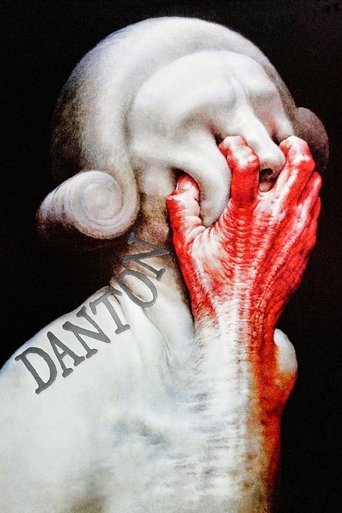
Danton and Robespierre were close friends and fought together in the French Revolution, but by 1793 Robespierre was France's ruler, determined to wipe out opposition with a series of mass executions that became known as the Reign of Terror. Danton, well known as a spokesman of the people, had been living in relative solitude in the French countryside, but he returned to Paris to challenge Robespierre's violent rule and call for the people to demand their rights. Robespierre, however, could not accept such a challenge, even from a friend and colleague, and he blocked out a plan for the capture and execution of Danton and his allies.
A history of the French Revolution beginning from the decision of the king to convene the Etats-Generaux in 1789 in order to deal with France's debt problem. Part one spans the event until August 10, 1792 (when the King Louis XVI lost all authority and was imprisoned). Part two carries the story through the end of the terror in 1794.
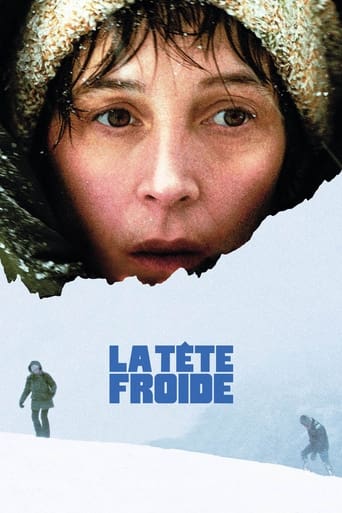
Marie, in her forties, lives in the Hautes-Alpes, cut off from her relatives. She only has her lover, Alex, a border policeman. Thanks to him, she smuggles cigarettes between Italy and France for her ' get out. On her way to France, she bumps into Mouneer, a 20-year-old Sudanese migrant, determined to join his little sister. He guesses her trafficking and persuades her to bring migrants across the border.
Julien, a young teacher, is wrongfully accused of sexual misconduct by a teenage girl from his class. As he faces mounting pressures from the girl’s older brother and her classmates, the situation spirals out of control. Allegations spread, the entire school is thrown into turmoil, and the teacher has to fight to clear his name.
Friendship and rebellion - but how will a secret play out in the masculine world of motocross? Willy and Jojo are best friends. They share a passion for motocross - whereas Willy uses it to honour his deceased father, it is only by excelling in the sport that Jojo’s father will notice him. Also the masculine world or racing is perfectly suited to suppress their own insecurities. Yet when Willy one fateful night discovers the hidden love life of Jojo, he will be forced to take sides in the wave of homophobia that follows.
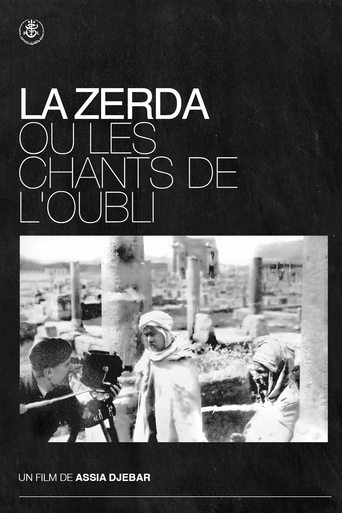
“La Zerda and the songs of oblivion” (1982) is one of only two films made by the Algerian novelist Assia Djebar, with “La Nouba des femmes du mont Chenoua” (1977). Powerful poetic essay based on archives, in which Assia Djebar – in collaboration with the poet Malek Alloula and the composer Ahmed Essyad – deconstructs the French colonial propaganda of the Pathé-Gaumont newsreels from 1912 to 1942, to reveal the signs of revolt among the subjugated North African population. Through the reassembly of these propaganda images, Djebar recovers the history of the Zerda ceremonies, suggesting that the power and mysticism of this tradition were obliterated and erased by the predatory voyeurism of the colonial gaze. This very gaze is thus subverted and a hidden tradition of resistance and struggle is revealed, against any exoticizing and orientalist temptation.