

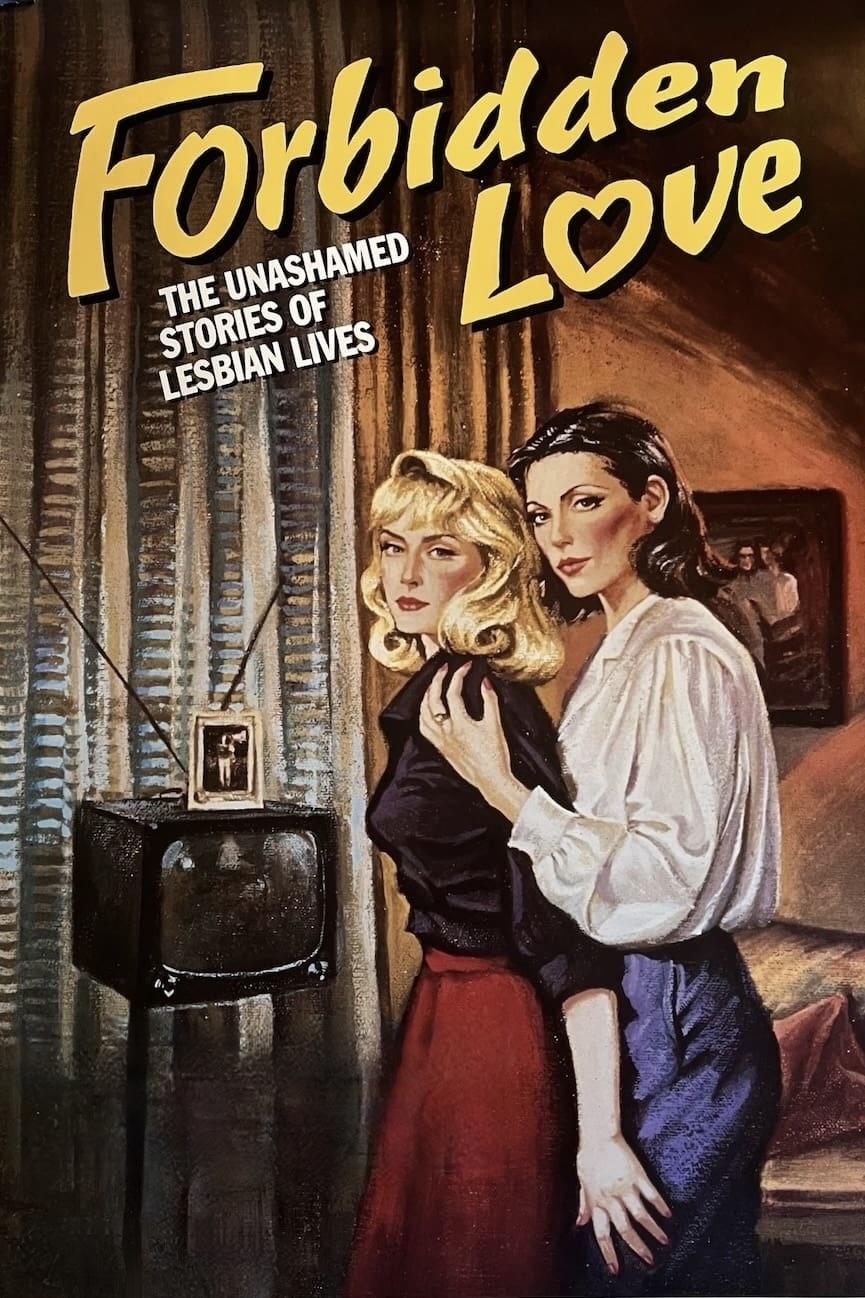
Forbidden Love: The Unashamed Stories of Lesbian Lives
Documentary · History
Overview
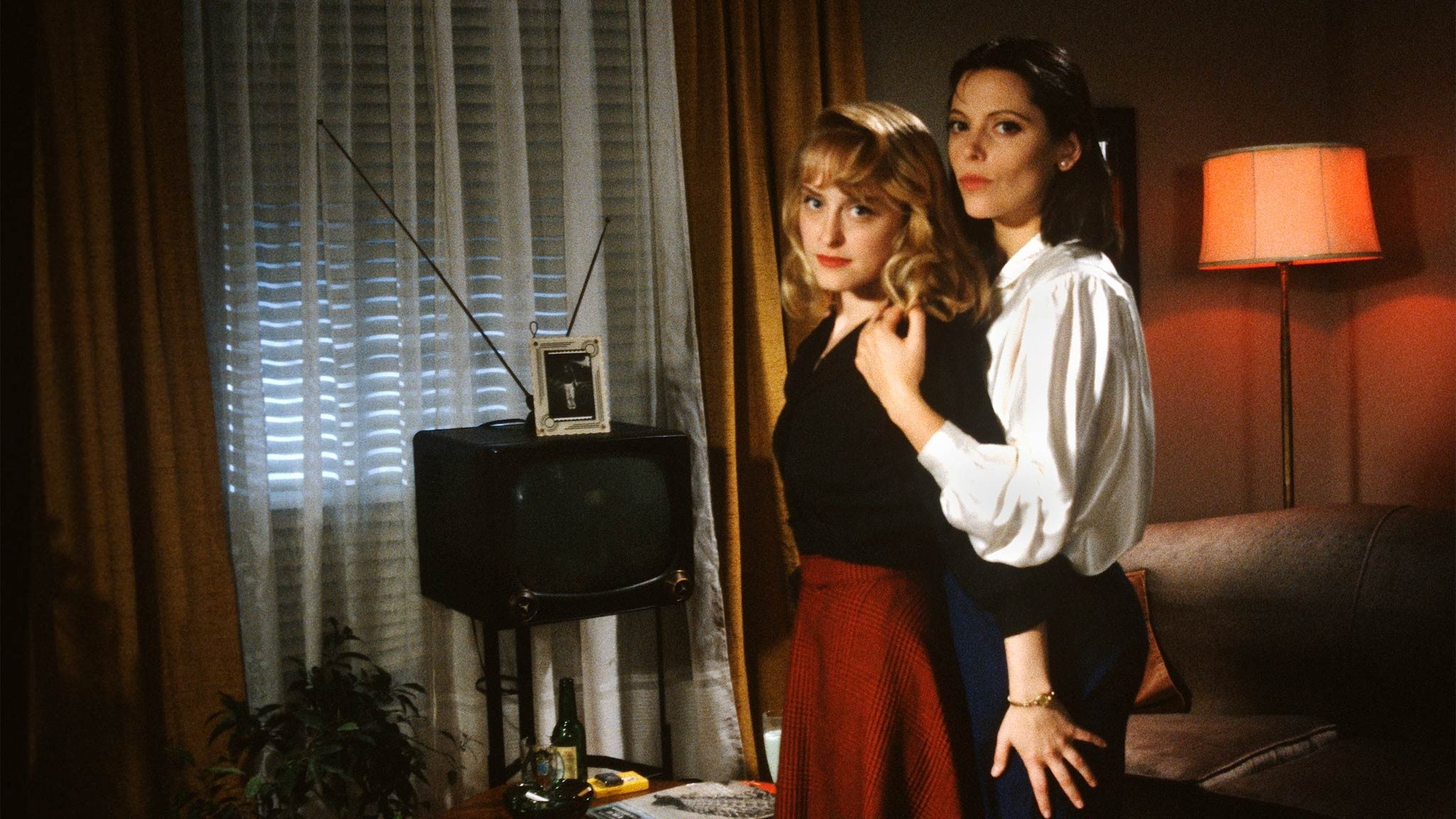
Ten women in Canada talk about being lesbian in the 1940s, 1950s, and 1960s: discovering the pulp fiction of the day about women in love, their own first affairs, the pain of breaking up, frequenting gay bars, facing police raids, men's responses, and the etiquette of butch and femme roles. Interspersed among the interviews and archival footage are four dramatized chapters from a pulp novel, "Forbidden Love".

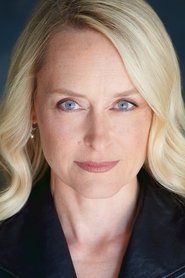
Stephanie Morgenstern
Stephanie Morgenstern
Laura
Stephanie Morgenstern
Laura
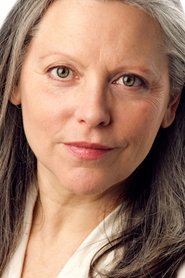
Lynne Adams
Lynne Adams
Mitch
Lynne Adams
Mitch
Marie-Jo Thério
Marie-Jo Thério
Beth
Marie-Jo Thério
Beth
George Thomas
George Thomas
Bill
George Thomas
Bill
Lory Wainberg
Lory Wainberg
Bartender
Lory Wainberg
Bartender
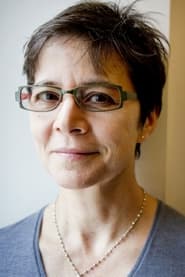
Ann-Marie MacDonald
Ann-Marie MacDonald
Narrator
Ann-Marie MacDonald
Narrator
Keely Moll
Keely Moll
Self
Keely Moll
Self
Stephanie Ozard
Stephanie Ozard
Self
Stephanie Ozard
Self
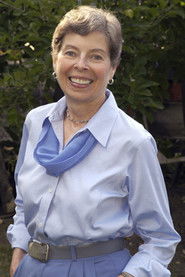
Ann Bannon
Ann Bannon
Self
Ann Bannon
Self
Reva Hutkin
Reva Hutkin
Self
Reva Hutkin
Self
Similar Movies
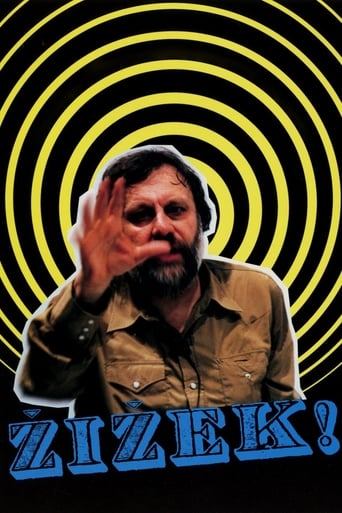
ŽIŽEK! trails the thinker as he crisscrosses the globe, racing from New York City lecture halls, through the streets of Buenos Aires, and even stopping at home in Ljubljana, Slovenia. All the while Žižek obsessively reveals the invisible workings of ideology through his unique blend of Lacanian psychoanalysis, Marxism, and critique of pop culture.
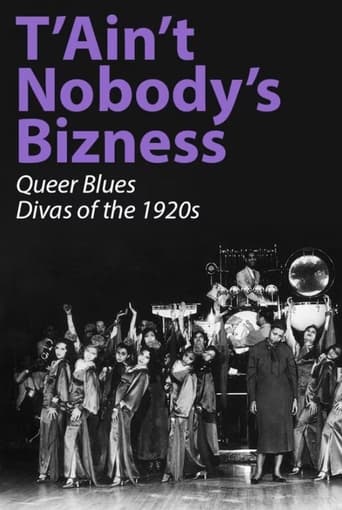
The 1920s saw a revolution in technology, the advent of the recording industry, that created the first class of African-American women to sing their way to fame and fortune. Blues divas such as Bessie Smith, Ma Rainey, and Alberta Hunter created and promoted a working-class vision of blues life that provided an alternative to the Victorian gentility of middle-class manners. In their lives and music, blues women presented themselves as strong, independent women who lived hard lives and were unapologetic about their unconventional choices in clothes, recreational activities, and bed partners. Blues singers disseminated a Black feminism that celebrated emotional resilience and sexual pleasure, no matter the source.
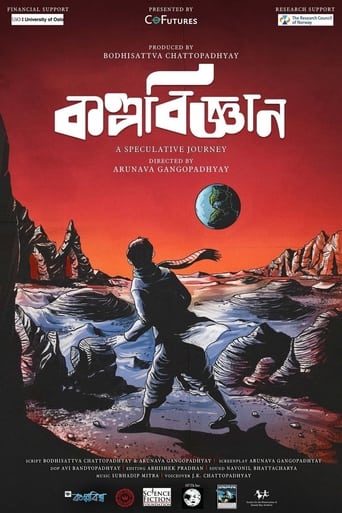
What is Bangla kalpavigyan? Is there such a thing as Bangla Science Fiction? Is there such a thing as Indian SF? This is our journey with the genre, captured and presented like never before in film. Beginning with the early work of writers such as Rokeya Sakhawat Hussain (Begum Rokeya) and the speculative mode in Bengal, and ending with the pioneering webzine Kalpabiswa, the film traces the historical arc of kalpavigyan over a century of the genre. From the genre magazines of the 1960s-80s and the writers and editors who ignited the movement by giving it shape and form, the film presents a series of conversations and critical reflections from researchers and scholars who have worked with the genre both in relation to Bengal and kalpavigyan as well as the wider phenomenon of SF.
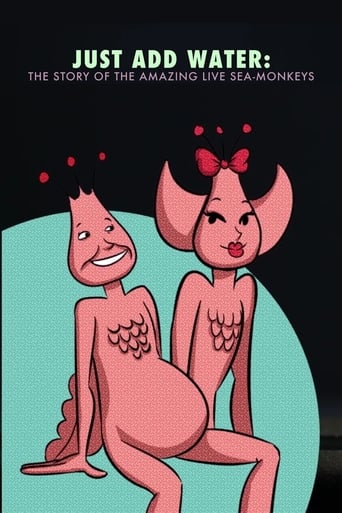
The Story of the Amazing Live Sea-Monkeys is the colourful and surprising true story of a man named Harold von Braunhut; a man who could look at the humblest of creatures – the brine shrimp – and imagine an empire built upon it. Breezy, colourful short about a half-century of marketing directly to children, the force of nostalgia in pop culture, and an unlikely meeting of flimflam and hard science.
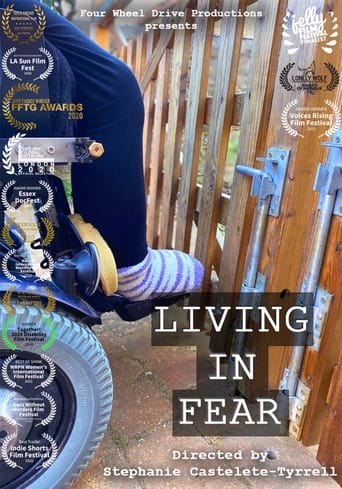
Filmed and edited entirely in isolation, Living in Fear is an educational and inspiring documentary directed by myself, Stephanie Castelete-Tyrrell, a disabled filmmaker as I capture the fears and struggles disabled people faced before the government implemented the lockdown on the 23rd March 2020. Thousands of people with disabilities were left in the dark and had to make the call weeks before to lockdown as it was inevitable that we would die if we caught the virus. Food was impossible to access because we couldn't go out or get delivery slots, and even if we did panic buyers made it impossible to get the items we desperately needed. We were truly isolated, unable to have family and friends visit. Having carers coming in and out of the house was risky and many disabled people felt that having basic care was putting their lives at risk.
Chuck Close, an astounding portrait of one of the world's leading contemporary painters, was one of two parting gifts (her second is a film on Louise Bourgeois) from Marion Cajori, a filmmaker who died recently, and before her time. With editing completed by filmmaker Ken Kobland, Chuck Close lives the life and work of a man who has reinvented portraiture. Close photographs his subjects, blows up the image to gigantic proportions, divides it into a detailed grid and then uses a complex set of colors and patterning to reconstruct each face.